Photo by David Nestorov on Pexels
Why Visit Vienna?#
Vienna, the capital of Austria, is a city that effortlessly blends imperial history with contemporary culture. Known for its stunning architecture, world-class museums, and vibrant coffeehouse culture, Vienna invites travelers to explore its rich heritage and artistic legacy. The city’s historic center, a UNESCO World Heritage Site, is filled with magnificent palaces, baroque buildings, and beautiful gardens that reflect its former status as the seat of the Habsburg Empire.
Beyond the architectural grandeur, Vienna is a city of music, famously associated with composers like Mozart, Beethoven, and Strauss. Visitors can experience this musical legacy in various venues, from grand opera houses to intimate concert halls. Additionally, Vienna’s thriving arts scene, featuring cutting-edge galleries and theaters, ensures that there is always something new to discover. Whether you’re wandering through the historic streets or sipping a coffee in a traditional café, Vienna offers a unique charm that captivates every traveler.
Best Time to Visit Vienna#
Vienna experiences four distinct seasons, each offering a different perspective on the city.
Spring (March to May): Spring is one of the best times to visit Vienna, as the weather begins to warm up and flowers bloom in the city’s many parks and gardens. Temperatures range from the mid-40s to mid-60s (°F), making it pleasant for outdoor activities. Crowds are moderate, especially in March and April, before the tourist season peaks.
Summer (June to August): Summer brings warm weather, with temperatures often reaching the 70s and 80s (°F). This is peak tourist season, so expect larger crowds and higher prices, particularly in July and August. However, the city hosts numerous festivals, open-air concerts, and events, making it an exciting time to experience Vienna’s vibrant culture.
Fall (September to November): Fall is another excellent time to visit, with mild temperatures ranging from the mid-50s to mid-70s (°F). The summer crowds begin to dissipate in September, making it easier to explore popular attractions. The foliage in the parks adds a beautiful backdrop to your visit, especially in October.
Winter (December to February): Winter can be chilly, with temperatures often dipping into the 30s (°F). However, visiting during this season offers a magical experience, as Vienna transforms into a winter wonderland with festive Christmas markets and holiday decorations. Crowds are generally lower, especially after the New Year, but be prepared for shorter days and colder weather.
Where to Stay in Vienna#
Vienna offers a variety of neighborhoods to suit different budgets and preferences. Here are some recommendations:
Innere Stadt (Historic Center): This is the heart of Vienna, where you’ll find iconic landmarks like St. Stephen’s Cathedral and the Hofburg Palace. Accommodation here tends to be on the pricier side, but the convenience of being close to major attractions makes it worth considering for those looking for luxury.
Leopoldstadt: Located just across the Danube Canal, Leopoldstadt offers a mix of budget and mid-range options. This vibrant neighborhood features the famous Prater Park, home to the historic Ferris wheel. It’s an excellent choice for families and travelers seeking a more local experience while still being close to the city center.
Mariahilf: Known for its shopping street, Mariahilfer Straße, this neighborhood is perfect for those who enjoy a lively atmosphere. It has a range of mid-range hotels and is well-connected to public transport, making it easy to explore the rest of Vienna.
Neubau: If you’re looking for a trendy and artistic vibe, Neubau is the place to be. This hip neighborhood is filled with galleries, unique shops, and cafés. You’ll find a mix of budget and mid-range accommodations, making it a great choice for younger travelers and those seeking a more modern experience.
Top Things to Do in Vienna#
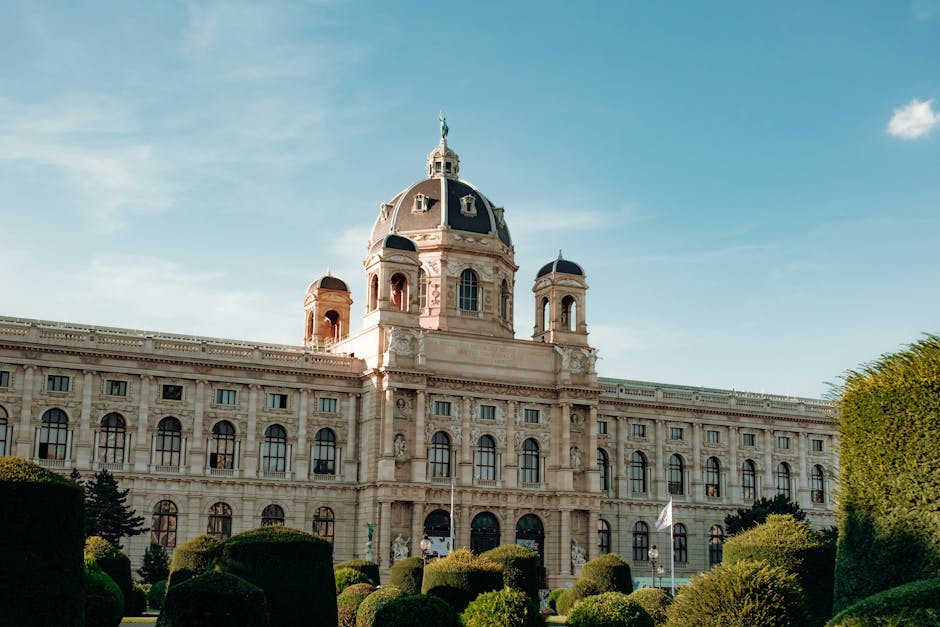
Schönbrunn Palace: This stunning summer residence of the Habsburgs is a must-visit. Explore the opulent rooms, stroll through the beautifully landscaped gardens, and don’t miss the panoramic views from the Gloriette.
St. Stephen’s Cathedral: As one of Vienna’s most iconic landmarks, this Gothic masterpiece is worth a visit. Climb the tower for breathtaking views of the city and admire the intricate details of the architecture.
The Belvedere Palace: This baroque palace complex houses an impressive collection of Austrian art, including works by Gustav Klimt. The gardens are also a lovely spot for a leisurely walk.
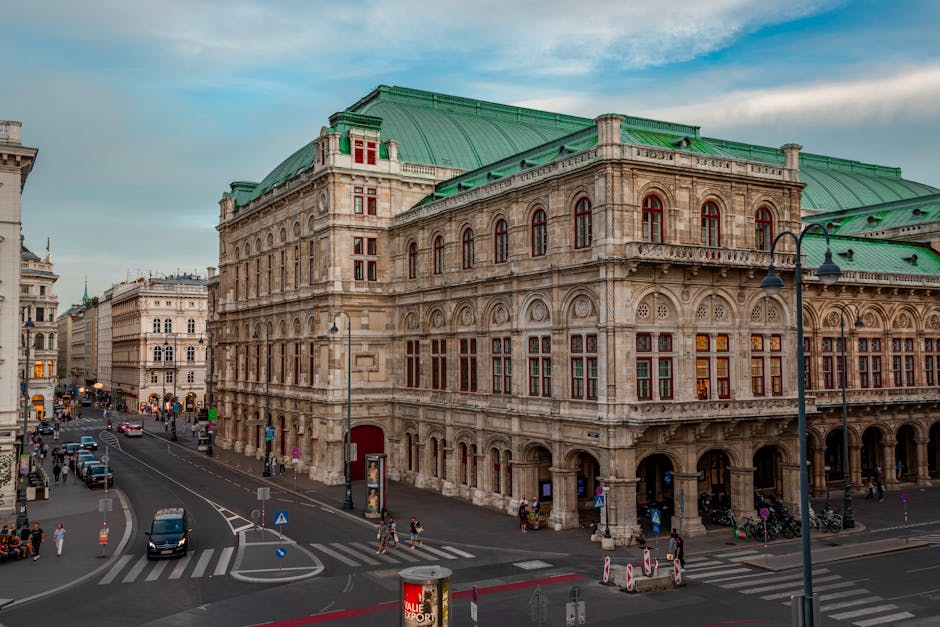
Vienna State Opera: Experience the magic of opera in one of the world’s most prestigious venues. Even if you don’t attend a performance, consider taking a guided tour to learn about its history.
Naschmarkt: This bustling market is a foodie’s paradise, offering a variety of fresh produce, international delicacies, and local specialties. It’s a great place to grab a bite or simply soak in the vibrant atmosphere.
MuseumsQuartier: A cultural hub that hosts several of Vienna’s most important museums, including the Leopold Museum and the Museum of Modern Art. The courtyard is also a popular spot for relaxing and people-watching.
Vienna Zoo: Located in the grounds of Schönbrunn Palace, this is the world’s oldest zoo and a great place for families. It features a diverse range of animals in naturalistic habitats.
Karlskirche: This stunning baroque church is known for its impressive dome and beautiful frescoes. Climb to the top for a panoramic view of the city.
Café Central: Experience Vienna’s famed coffee culture at this historic café, known for its elegant ambiance and delicious pastries. It’s a perfect spot to relax and enjoy a slice of Sacher Torte.
Danube River Cruise: For a unique perspective of the city, take a cruise along the Danube. It’s a relaxing way to see the skyline and enjoy the scenery.
Food and Dining Guide#
Vienna’s culinary scene is a delightful mix of traditional Austrian dishes and international influences. Here are some must-try local specialties:
Wiener Schnitzel: This iconic dish consists of a breaded and fried veal cutlet, typically served with potato salad or lingonberry sauce. It’s a staple of Viennese cuisine.
Sachertorte: A famous chocolate cake with a layer of apricot jam, often served with whipped cream. This decadent dessert is a must-try when visiting Vienna.
Apfelstrudel: A traditional apple strudel filled with spiced apples, raisins, and cinnamon, wrapped in thin pastry. It’s often served warm with a dusting of powdered sugar.
Tafelspitz: This boiled beef dish is served with root vegetables and a flavorful broth. It’s a hearty meal that reflects the Austrian love for comfort food.
Kaiserschmarrn: A fluffy shredded pancake, often served with fruit compote. This sweet dish is a popular choice for dessert or even as a breakfast option.
For a casual dining experience, visit street vendors or local markets like Naschmarkt, where you can sample a variety of international dishes and local snacks. Don’t forget to try a traditional Viennese coffee in one of the city’s historic cafés.
Getting Around Vienna#
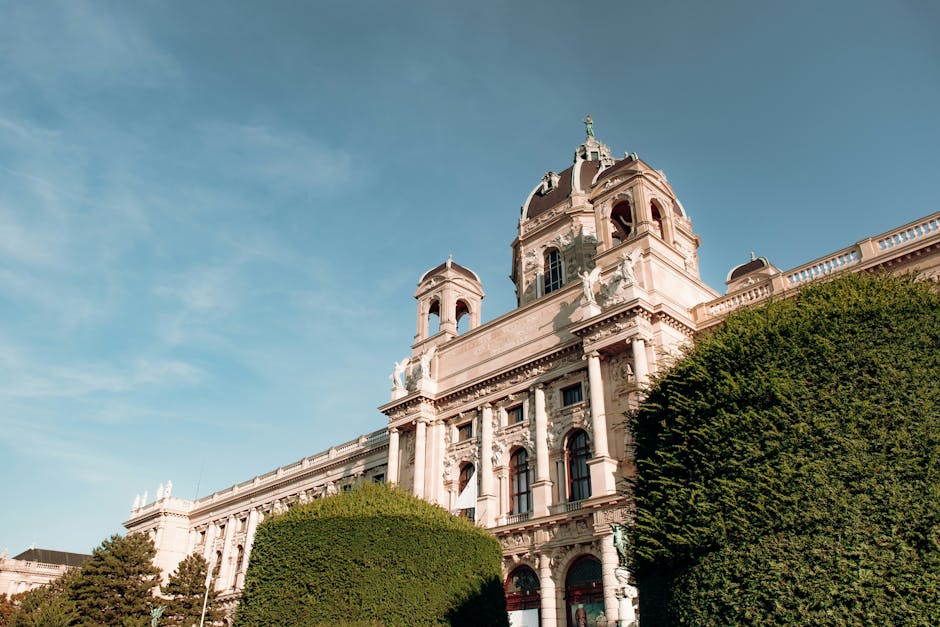
Vienna boasts an excellent public transportation system, making it easy to navigate the city. The U-Bahn (subway), trams, and buses are all efficient and well-connected. A single ticket allows you to travel across all modes of public transport, and day passes are available for unlimited travel.
Walking is also a fantastic way to explore Vienna, especially in the historic center, where many attractions are within walking distance. If you prefer to travel by taxi, they are readily available, but be prepared for higher fares compared to public transport.
Renting a car is generally not recommended, as parking can be challenging and expensive. Additionally, many areas in the city center are pedestrian-only, making it difficult to navigate by car.
Budget Breakdown#
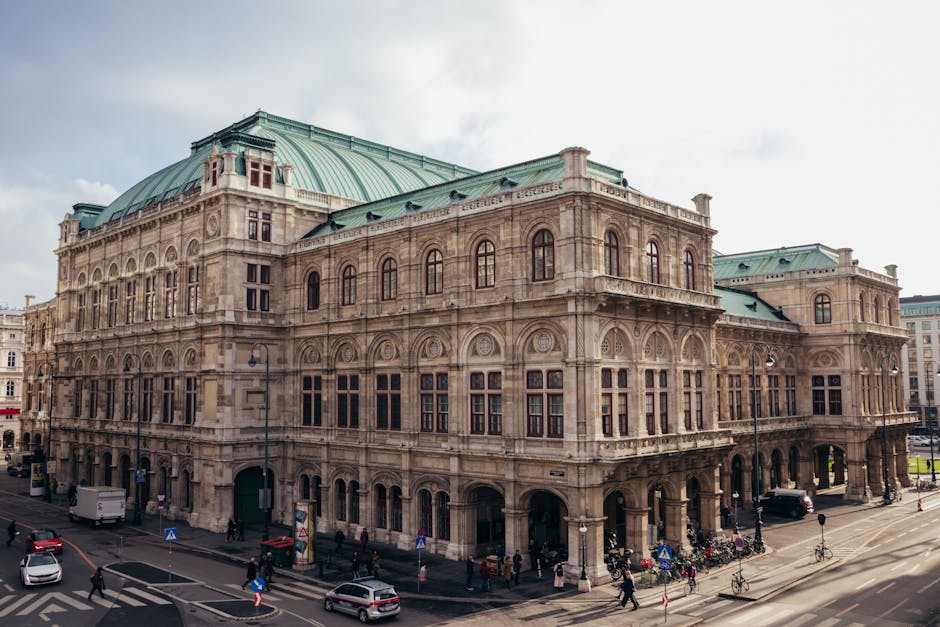
When planning your trip to Vienna, consider the following daily budget estimates:
Budget Travelers: Expect to spend around $70-100 per day. This includes budget accommodations, inexpensive meals, and using public transport for getting around.
Mid-Range Travelers: A budget of $150-250 per day will allow for comfortable accommodations, dining at mid-range restaurants, and enjoying some attractions and activities.
Luxury Travelers: For a more lavish experience, plan to spend $300 or more per day. This budget includes upscale accommodations, fine dining, and premium experiences like guided tours or opera tickets.
Travel Tips for Vienna#
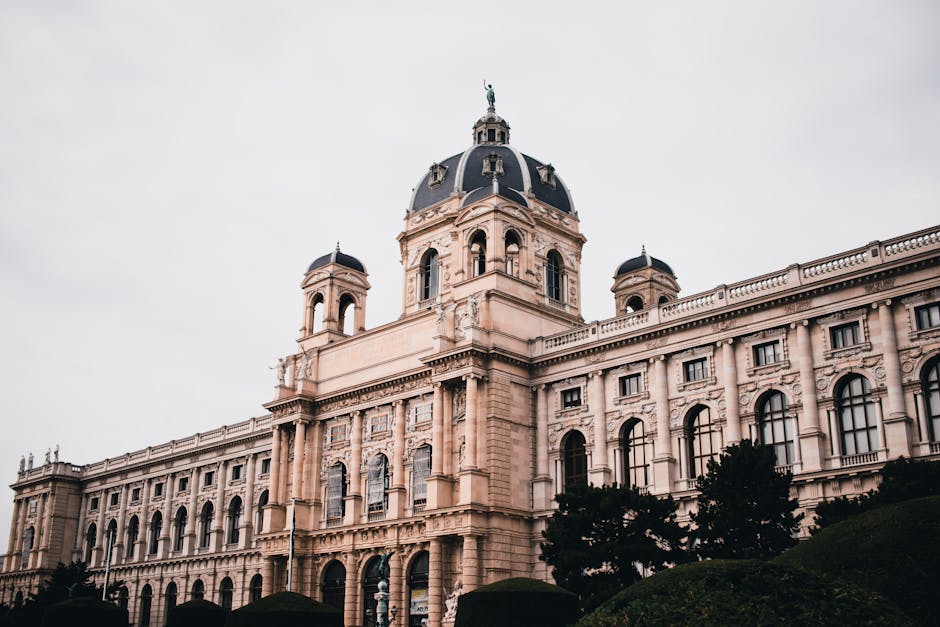
Safety: Vienna is one of the safest cities in Europe, but it’s always wise to stay aware of your surroundings and keep an eye on your belongings, especially in crowded areas.
Tipping: Tipping is customary in Vienna. A 10-15% tip is appreciated in restaurants, and rounding up the fare in taxis is a common practice.
Language: While German is the official language, many people in Vienna speak English, especially in tourist areas. Learning a few basic German phrases can enhance your experience.
SIM Cards: If you need mobile data, consider purchasing a local SIM card upon arrival. They are available at airports and convenience stores, offering various data plans.
Scams to Avoid: Be cautious of individuals asking for money or offering unsolicited help, particularly at tourist hotspots. Stick to official services and be wary of deals that seem too good to be true.
Public Transport Etiquette: When using public transport, remember to give up your seat for elderly passengers and keep noise levels down.
Local Events: Check the local calendar for events or festivals happening during your visit. Participating in these can provide a unique insight into Viennese culture.
Vienna is a city that beautifully marries history with modernity, offering something for every traveler. Whether you’re indulging in its culinary delights, exploring its artistic treasures, or simply soaking in the atmosphere, you’re sure to leave with unforgettable memories. If you’re also considering a trip to Lake Bled, Slovenia, check out our guide for more travel inspiration.
📌 Disclaimer
Prices, schedules, tour details, flight routes, visa requirements, and all other information on this page are based on data at the time of writing. Fares, availability, and policies may change. Please verify current details on the official website before booking.