Photo by Szymon Shields on Pexels
Why Visit Tokyo?#
Tokyo is a vibrant metropolis that seamlessly blends the ultramodern with the traditional, making it a unique destination for travelers seeking both culture and innovation. From the iconic skyline dotted with futuristic skyscrapers to serene shrines nestled in lush gardens, Tokyo offers an unparalleled tapestry of experiences. The city’s rich history is palpable in its ancient temples and historic neighborhoods, while its cutting-edge technology and contemporary art scenes showcase Japan’s forward-thinking spirit.
For American travelers, Tokyo is not just a place to visit; it’s a sensory adventure. Whether you’re exploring the neon-lit streets of Shibuya, savoring sushi at a local market, or soaking in an onsen (hot spring), every moment in Tokyo feels extraordinary. The city is also known for its excellent hospitality, making it easy for visitors to navigate and immerse themselves in the local culture.
Best Time to Visit Tokyo#
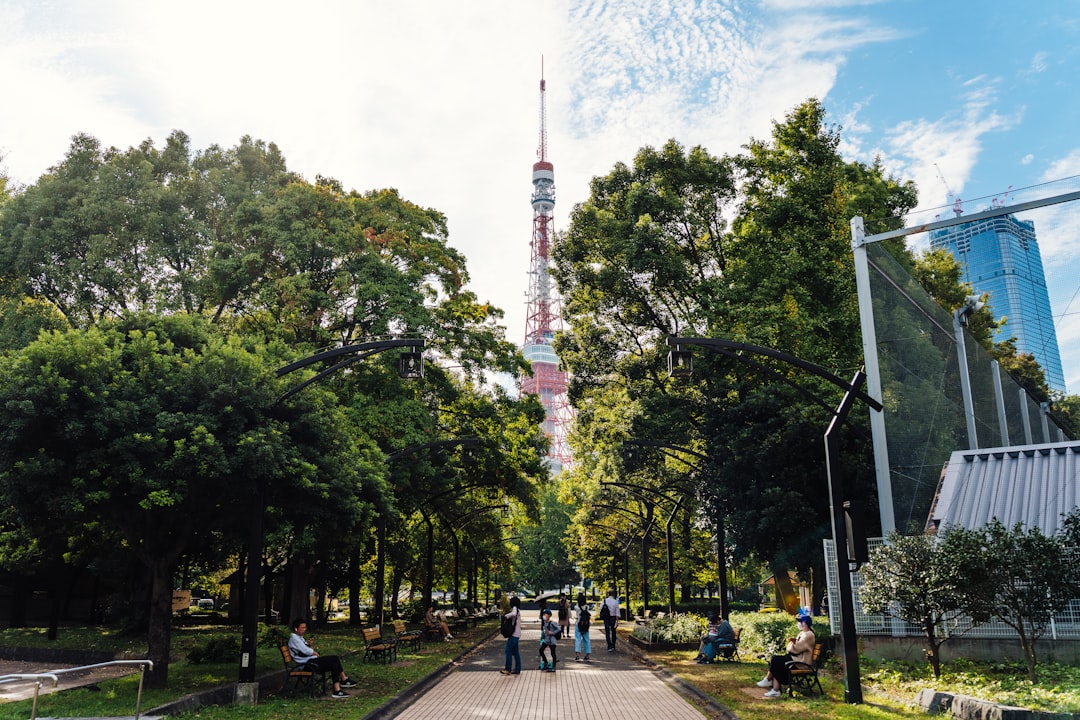
Tokyo experiences four distinct seasons, each offering a unique charm.
Spring (March to May): This is arguably the best time to visit Tokyo, especially during cherry blossom season in late March to early April. The weather is mild, with temperatures ranging from the mid-50s to mid-70s (°F). However, be prepared for larger crowds, particularly in parks like Ueno and Shinjuku Gyoen, where hanami (flower viewing) parties take place.
Summer (June to August): Summer in Tokyo can be hot and humid, with temperatures often exceeding 85°F. The rainy season typically occurs in June, leading to increased humidity. Despite the weather, summer is lively with festivals, fireworks, and outdoor events. Just be aware that this is a peak season, so prices for accommodation can be higher.
Fall (September to November): Another fantastic time to visit, fall offers pleasant temperatures and stunning foliage. Expect temperatures in the 60s to low 70s (°F), and witness the vibrant autumn colors in parks and gardens. Crowds are generally lighter than in spring, making it easier to explore popular attractions.
Winter (December to February): Winter can be chilly, with temperatures ranging from the upper 30s to low 50s (°F). However, this season is magical, especially with holiday lights and winter festivals. While fewer tourists visit during this time, it’s the perfect opportunity to enjoy Tokyo’s indoor attractions and hot springs.
Where to Stay in Tokyo#
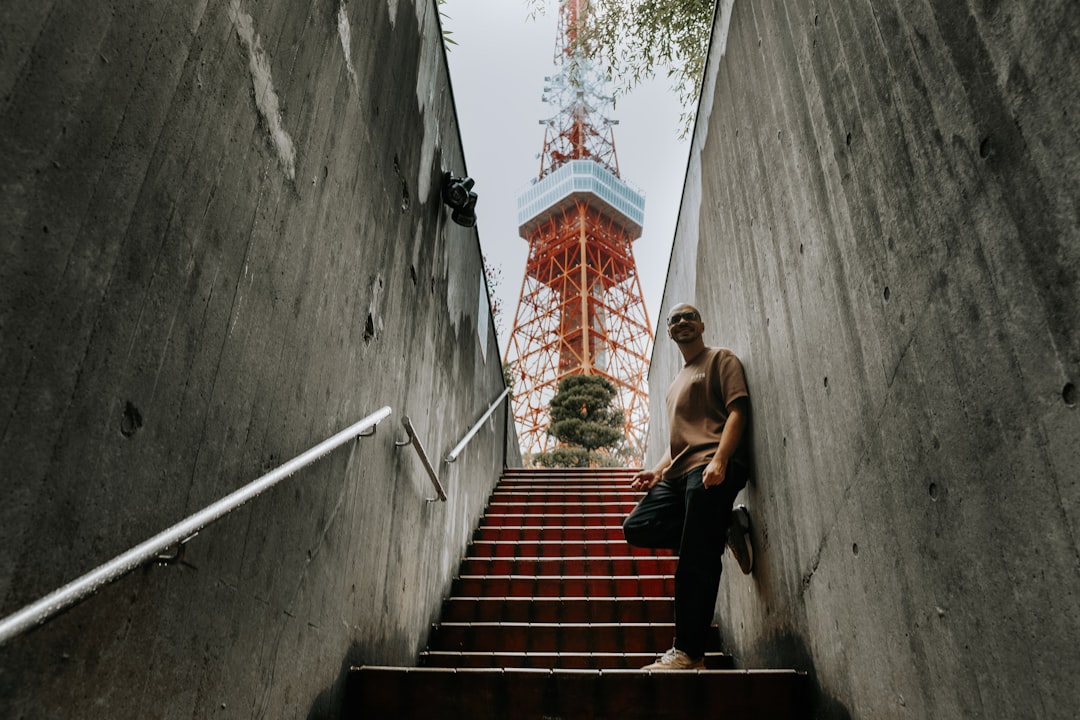
Choosing the right neighborhood is essential for experiencing Tokyo to its fullest. Here are some recommendations across different budget tiers:
Budget: Consider staying in areas like Asakusa or Ueno, known for their affordability and proximity to cultural sites. Budget hotels and hostels typically start around $30-50/night, making them ideal for travelers looking to stretch their dollars while still being close to public transport and attractions.
Mid-Range: Shinjuku and Shibuya are excellent mid-range options. Both neighborhoods are bustling with activity, offering a mix of shopping, dining, and nightlife. Expect to pay around $100-200/night for comfortable accommodations with amenities.
Luxury: If luxury is your priority, the Marunouchi area near Tokyo Station and the upscale district of Ginza offer high-end hotels with stunning views and top-notch service. Prices here can range from $300/night and up, providing you with an unforgettable stay.
Top Things to Do in Tokyo#
Shibuya Crossing: Experience the world’s busiest pedestrian crossing, where thousands of people cross from all directions. It’s a quintessential Tokyo moment, especially when viewed from nearby cafés.
Meiji Shrine: Nestled in a forested area, this Shinto shrine is a tranquil escape from the city’s hustle and bustle. Take a peaceful stroll along the approach, and don’t miss the traditional wedding ceremonies that often take place here.
Tsukiji Outer Market: While the inner wholesale market has moved to Toyosu, the outer market remains a food lover’s paradise. Sample fresh seafood, local snacks, and unique culinary delights.
Akihabara: Known as the center of otaku culture, Akihabara is a haven for anime, manga, and electronics enthusiasts. Explore the quirky shops and themed cafés for a true taste of Japanese pop culture.
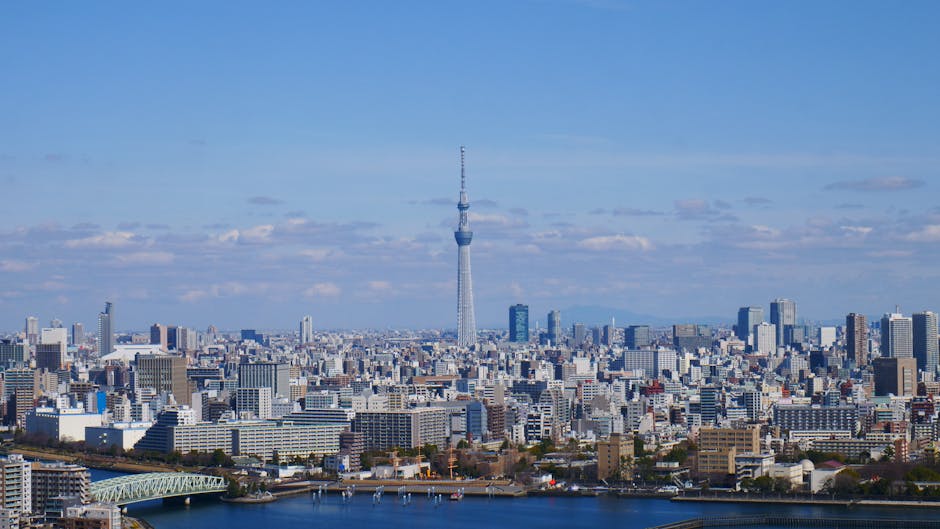
Tokyo Skytree: Soaring high above the city, Tokyo Skytree offers breathtaking panoramic views from its observation decks. Visit during sunset for a truly magical experience.
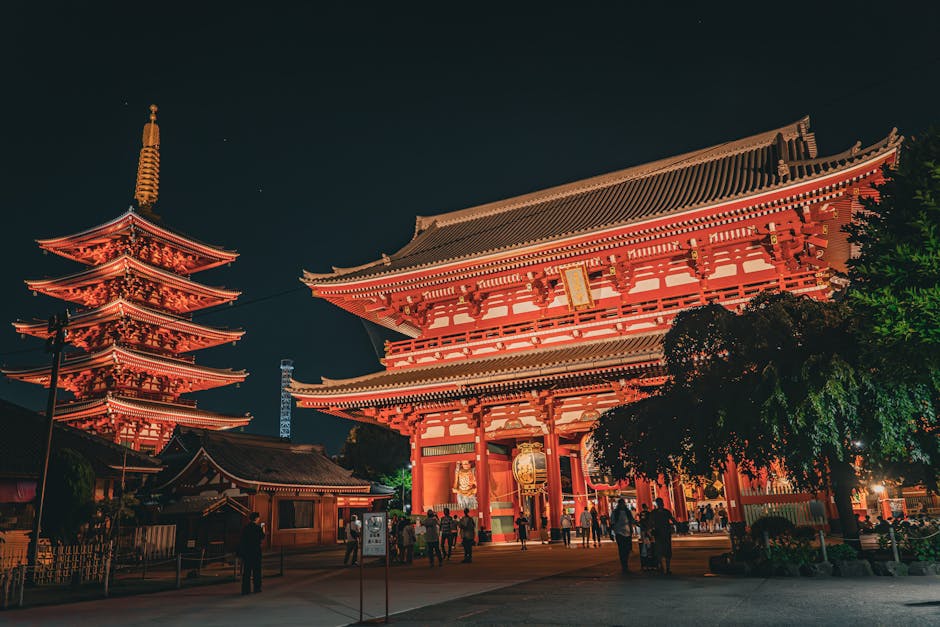
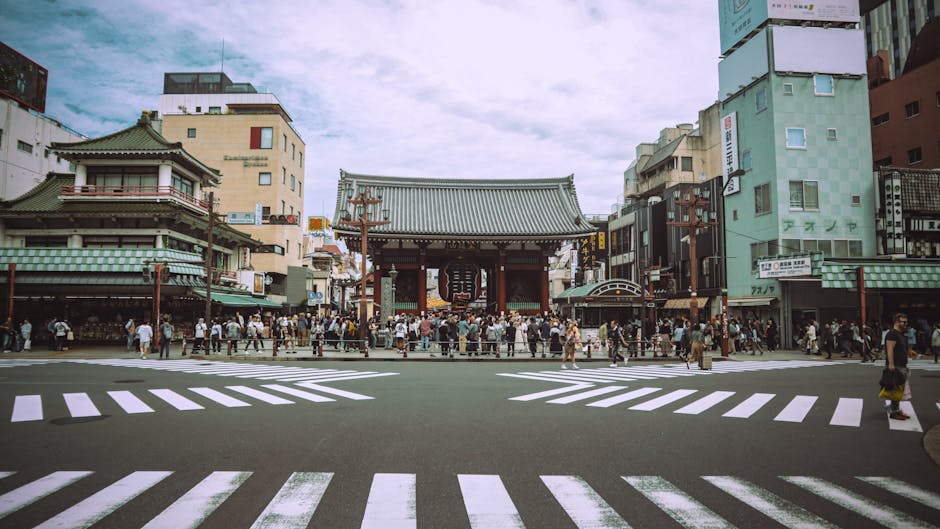
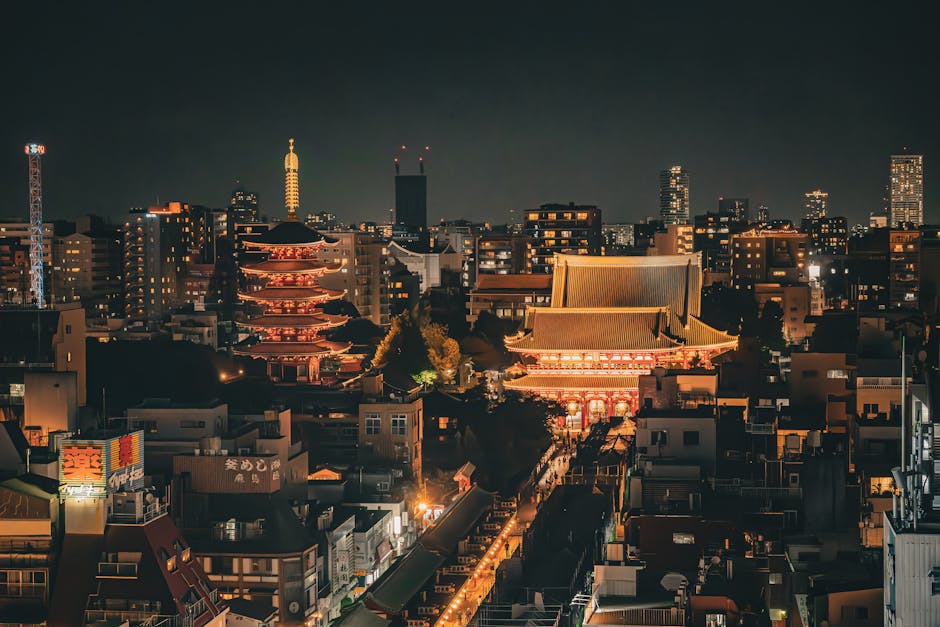
Senso-ji Temple: Tokyo’s oldest temple, located in Asakusa, is a must-visit. Wander through the vibrant Nakamise shopping street leading to the temple, where you can buy traditional snacks and souvenirs.
Harajuku: Famous for its youth culture and fashion, Harajuku is where you’ll find quirky shops and colorful street art. Don’t forget to check out Takeshita Street for trendy boutiques and crepe stands.
Odaiba: This futuristic man-made island in Tokyo Bay features shopping, entertainment, and attractions like the teamLab Borderless digital art museum. The views of the Rainbow Bridge are stunning, especially at night.
Imperial Palace: While the inner grounds are not open to the public, the beautiful East Gardens are accessible and provide a serene environment to explore the history of the Japanese monarchy.
Shinjuku Gyoen National Garden: A beautiful park that blends traditional Japanese, English, and French landscaping. It’s a perfect spot for a relaxing picnic or a leisurely stroll, especially during cherry blossom season.
Food and Dining Guide#
Tokyo is renowned for its diverse culinary scene. Here are some local cuisine highlights and must-try dishes:
Sushi: No visit to Tokyo is complete without indulging in fresh sushi. Whether at a high-end restaurant or a casual conveyor belt sushi spot, the quality is unmatched.
Ramen: This beloved noodle dish comes in various regional styles. Enjoy a hearty bowl of tonkotsu (pork bone) or shoyu (soy sauce) ramen from one of the many specialized shops.
Tempura: Lightly battered and fried seafood or vegetables, tempura is a delicious treat. Try it at a dedicated tempura restaurant for a more refined experience.
Okonomiyaki: Often dubbed “Japanese pancakes,” these savory dishes are made with a variety of ingredients. Enjoy watching it being cooked on a hot griddle at a local eatery.
Street Food: Explore the bustling street stalls for tasty snacks like takoyaki (octopus balls) and yakitori (grilled chicken skewers). The vibrant atmosphere and flavors are a must-experience.
For a more formal dining experience, consider visiting izakayas (Japanese pubs) where you can sample a variety of small plates while enjoying local drinks.
Getting Around Tokyo#
Navigating Tokyo is relatively easy, thanks to its extensive public transit system. The subway and train networks are efficient and cover the city comprehensively. Purchase a prepaid Suica or Pasmo card for convenient travel on trains and buses.
Taxis are available but can be pricey, especially during peak hours. If you prefer walking, many attractions are located within a reasonable distance from each other, particularly in neighborhoods like Shinjuku and Shibuya.
While renting a car is an option, it’s generally not recommended due to heavy traffic and limited parking. Plus, public transport is often more convenient for getting around the city.
Budget Breakdown#
Travel budgeting can vary widely depending on your preferences. Here’s a rough estimate for daily expenses:
Budget Travelers: Expect to spend around $70-100 per day, including accommodation in a hostel, street food, and public transport.
Mid-Range Travelers: A daily budget of $150-250 is reasonable for this tier, covering a mid-range hotel, casual dining, and entry to attractions.
Luxury Travelers: For those looking for a more upscale experience, budgeting $300 and up per day will allow for luxury accommodations, fine dining, and private tours.
Travel Tips for Tokyo#
Safety: Tokyo is one of the safest cities in the world, but always stay aware of your surroundings, especially in crowded areas.
Tipping: Tipping is not customary in Japan and can be considered rude. Excellent service is expected, and staff will appreciate your politeness instead.
Language: While many Japanese people understand basic English, learning a few key phrases in Japanese can enhance your experience and show respect for the culture.
SIM Cards and Wi-Fi: Consider renting a pocket Wi-Fi device or purchasing a SIM card upon arrival for easy internet access throughout your trip.
Cash vs. Credit: While credit cards are accepted in many places, cash remains king in Japan. Keep yen on hand for small purchases, especially in local shops and markets.
Avoiding Scams: Be cautious of overly friendly strangers offering assistance. It’s best to stick to official tourist information centers for help.
Cultural Etiquette: Familiarize yourself with local customs, such as bowing when greeting and removing shoes when entering homes or certain establishments.
If you’re also considering a trip to Hong Kong or Taipei, check out our guides for more travel tips and insights.
Tokyo is a city that promises unforgettable memories and an authentic glimpse into Japan’s rich culture. With careful planning and an open mind, your adventure in this bustling metropolis is sure to be one for the books!
📌 Disclaimer
Prices, schedules, tour details, flight routes, visa requirements, and all other information on this page are based on data at the time of writing. Fares, availability, and policies may change. Please verify current details on the official website before booking.