Photo by Nguyen Huy on Pexels
Why Visit Singapore?#
Singapore is a vibrant melting pot of cultures, seamlessly blending tradition and modernity in a way that captivates every visitor. This island city-state offers a unique experience where you can wander through lush gardens, explore bustling markets, and indulge in world-class dining—all within a compact area. The city’s rich history is reflected in its multicultural neighborhoods such as Chinatown, Little India, and Kampong Glam, each offering a glimpse into the diverse heritage that shapes Singapore’s identity.
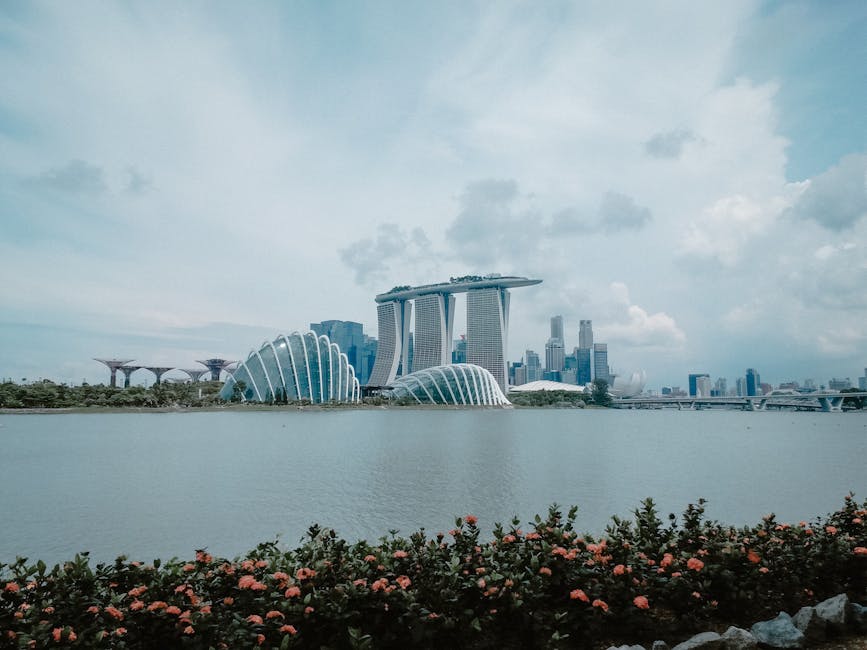
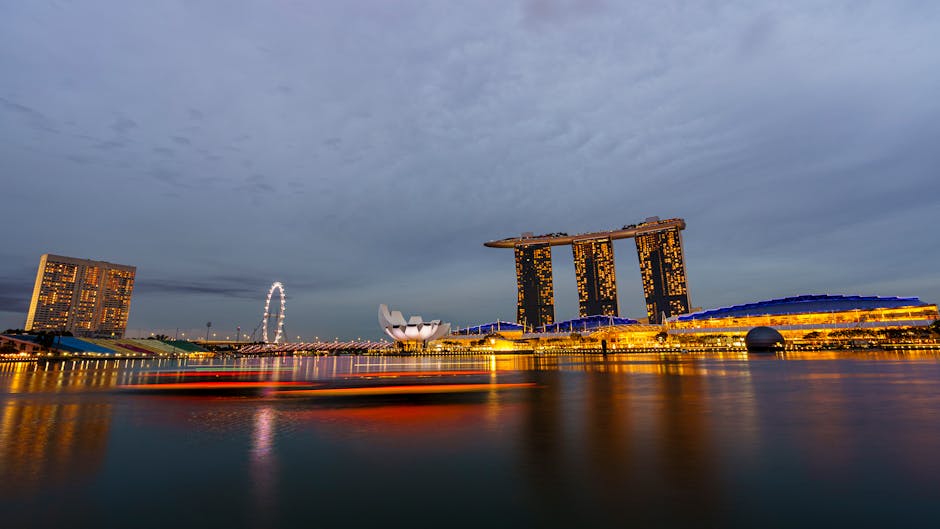
What sets Singapore apart is its commitment to cleanliness and safety, making it one of the most welcoming destinations for travelers. The stunning skyline is punctuated by architectural marvels like the Marina Bay Sands and Gardens by the Bay, while public spaces are meticulously maintained. Whether you’re an adventure seeker, a foodie, or a history buff, Singapore has something special to offer everyone, making it an ideal destination for first-time visitors.
Best Time to Visit Singapore#
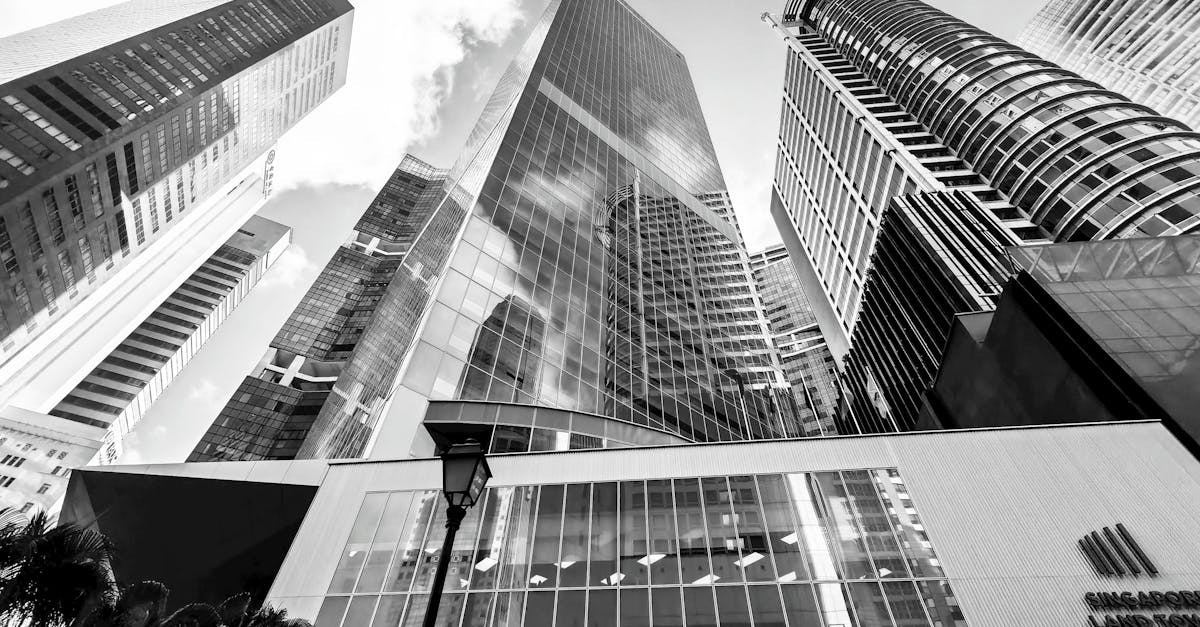
Singapore is located near the equator, resulting in a tropical climate characterized by high humidity and temperatures averaging between 75°F to 90°F year-round. While you can visit at any time, the best months are typically from December to June when the weather is slightly cooler and less humid.
December to February: This period sees the highest tourist traffic, especially around the holidays. Expect pleasant weather but crowded attractions. Prices for accommodations may also spike during this peak season.
March to May: This is an ideal time to visit as the weather remains relatively comfortable, and the crowds begin to thin out. Hotel prices start to drop, making it a more budget-friendly choice.
June to November: The monsoon season begins in June, bringing heavier rainfall, particularly in November. While this might deter some travelers, visiting during these months can yield lower prices for flights and accommodations. Just be prepared for occasional downpours!
Where to Stay in Singapore#
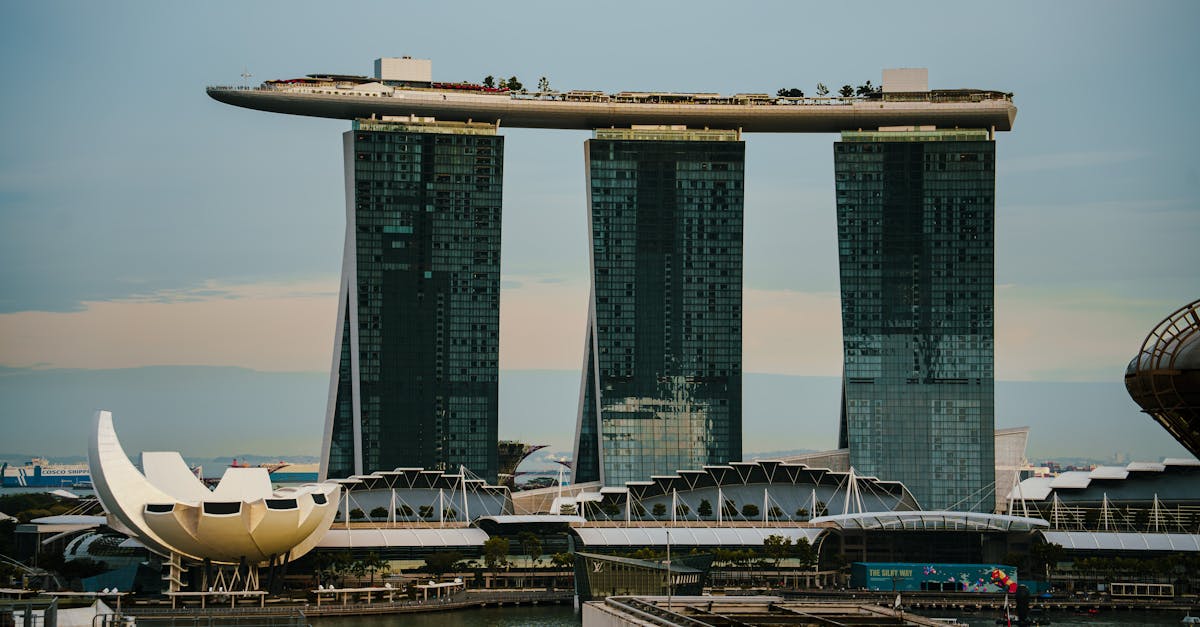
Singapore offers a wide range of accommodations to suit all budgets. Here are some neighborhoods to consider:
Budget: Little India is a vibrant area filled with budget hostels and guesthouses. It’s close to public transport and offers a rich cultural experience with colorful temples and markets.
Mid-Range: Orchard Road is Singapore’s shopping paradise, featuring numerous mid-range hotels. This area is perfect for those who enjoy shopping and dining, with convenient access to various attractions.
Luxury: Marina Bay boasts some of the most luxurious hotels in the city, with stunning views of the skyline and waterfront. Staying here puts you in proximity to iconic landmarks like the Marina Bay Sands and the Gardens by the Bay.
Local Experience: Tiong Bahru is a charming neighborhood known for its art deco architecture and hip cafes. This area offers a more local vibe while still being close to the city center, making it a great option for those seeking a unique experience.
Top Things to Do in Singapore#
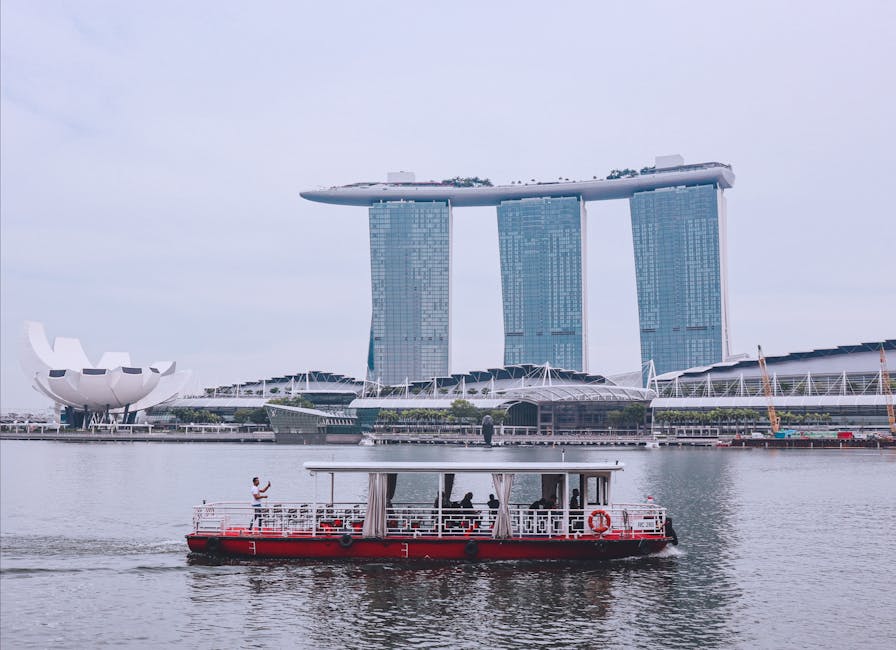
Marina Bay Sands SkyPark: Head to the observation deck for breathtaking views of the city skyline and the iconic Marina Bay. The sunset views are particularly magical.
Gardens by the Bay: Explore this futuristic park featuring the famous Supertree Grove and the Cloud Forest, an indoor waterfall surrounded by lush vegetation.
Sentosa Island: A playground for fun seekers, Sentosa is home to Universal Studios, beaches, and various attractions including an aquarium and adventure parks.
Chinatown: Discover the rich history and culture of Singapore’s Chinese community. Visit the Buddha Tooth Relic Temple and indulge in delicious street food.
Singapore Botanic Gardens: A UNESCO World Heritage site, this expansive garden is perfect for a leisurely stroll. Don’t miss the National Orchid Garden, home to thousands of orchid species.
Clarke Quay: Experience Singapore’s nightlife at this riverside quay filled with restaurants, bars, and live music venues, making it a great spot to unwind after a day of exploration.
Little India: Immerse yourself in the vibrant culture, colorful temples, and bustling markets. Be sure to visit the Sri Veeramakaliamman Temple, one of the oldest Hindu temples in the area.
Kampong Glam: Explore the Malay heritage of Singapore in this neighborhood, highlighted by the stunning Sultan Mosque and trendy boutiques along Haji Lane.
Raffles Hotel: A visit to this iconic hotel is a must, even if you don’t stay there. Enjoy a classic Singapore Sling at the Long Bar, where the cocktail was invented.
East Coast Park: For a local escape, head to this beach park where you can cycle, rollerblade, or simply relax by the sea. It’s a favorite among locals for picnics and outdoor activities.
Food and Dining Guide#
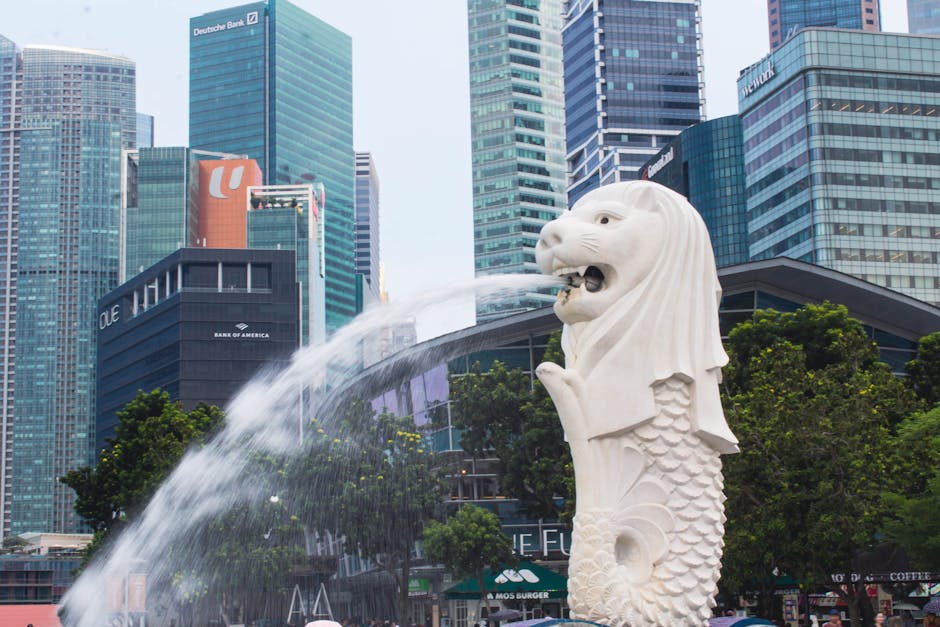
Singapore is a food lover’s paradise, offering a rich tapestry of culinary influences from Chinese, Malay, Indian, and more.
Chili Crab: This iconic dish is a must-try. The sweet and spicy sauce pairs perfectly with the tender crab meat.
Hainanese Chicken Rice: Often referred to as Singapore’s national dish, it features poached chicken served with fragrant rice and a side of chili sauce.
Laksa: A spicy noodle soup typically made with coconut milk and curry, it’s a delicious representation of Singapore’s Peranakan culture.
Satay: Grilled skewers of marinated meat served with a peanut sauce, these are perfect for a quick snack or as part of a meal.
Char Kway Teow: Stir-fried flat rice noodles with prawns, Chinese sausage, and bean sprouts, this dish is a favorite among locals and visitors alike.
For dining, head to hawker centers for affordable and authentic street food experiences, or explore restaurants for a more upscale atmosphere. The Lau Pa Sat and Maxwell Food Centre are popular choices for a variety of local dishes.
Getting Around Singapore#
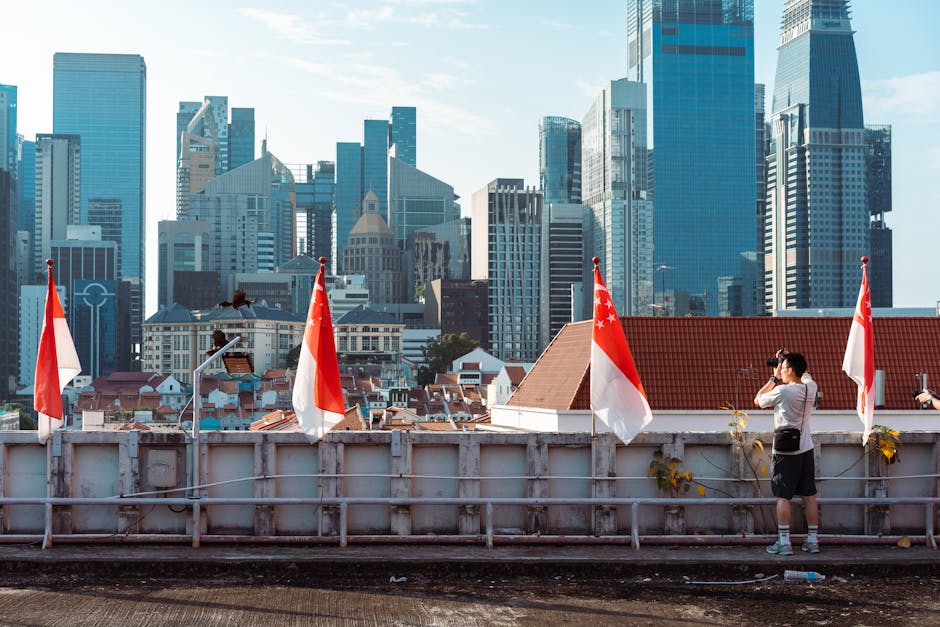
Navigating Singapore is a breeze thanks to its efficient public transport system.
MRT (Mass Rapid Transit): The MRT is the backbone of Singapore’s public transport, connecting most major attractions and areas. It’s clean, safe, and affordable.
Buses: Singapore’s bus service complements the MRT, providing extensive coverage across the city. The buses are air-conditioned and well-maintained.
Taxis: Taxis are readily available but can be more expensive than public transport. They are convenient for late-night travel or if you prefer door-to-door service.
Walking: Singapore is a walkable city, especially in areas like Orchard Road and Marina Bay, where pedestrian-friendly paths are abundant. Walking allows you to soak in the sights and sounds at your own pace.
Rental Cars: While renting a car is possible, it’s generally not necessary. Traffic can be heavy, and parking can be expensive. Public transport is more efficient for tourists.
Budget Breakdown#
Understanding your budget is key to enjoying your trip without financial stress. Here’s a rough daily budget estimate for different types of travelers:
Budget Travelers: Expect to spend around $50-80 per day, including hostel accommodations, street food meals, and public transport.
Mid-Range Travelers: A budget of $150-250 per day is reasonable, covering mid-range hotel stays, dining at local restaurants, and entry fees for attractions.
Luxury Travelers: For those seeking a more lavish experience, a budget of $300+ per day will allow for luxury accommodations, fine dining, and premium experiences.
These estimates can vary based on personal preferences, but they provide a good starting point for planning your trip.
Travel Tips for Singapore#
Stay Hydrated: The tropical climate can be quite humid. Always carry a water bottle to stay hydrated, especially when exploring outdoors.
Safety First: Singapore is one of the safest cities in the world. However, always be aware of your surroundings and keep your belongings secure.
Tipping: Tipping is not customary in Singapore, as service charges are typically included in your bill. However, rounding up or leaving small change is appreciated in casual settings.
Language: English is one of the official languages and is widely spoken, making it easy for American travelers to communicate.
SIM Cards: Consider getting a local SIM card for your phone upon arrival. It’s affordable and provides you with data for navigation and communication.
Scams to Avoid: While Singapore is generally safe, be cautious of scams targeting tourists, especially near tourist hotspots. Always verify prices before agreeing to any services.
Public Etiquette: Be mindful of local customs. For example, eating and drinking on public transport is prohibited, and it’s important to respect local traditions, especially in religious sites.
With this guide in hand, you’re well-prepared to embark on your adventure in Singapore. Whether you’re exploring the bustling streets of Chinatown or enjoying the tranquil gardens, this city-state promises a memorable experience. If you’re also considering a trip to Ho Chi Minh City, Vietnam or Luang Prabang, Laos, check out our guides for more travel inspiration!
📌 Disclaimer
Prices, schedules, tour details, flight routes, visa requirements, and all other information on this page are based on data at the time of writing. Fares, availability, and policies may change. Please verify current details on the official website before booking.