Photo by Theodore Nguyen on Pexels
Why Visit Seoul?#
Seoul, the vibrant capital of South Korea, is a city where ancient traditions seamlessly blend with cutting-edge modernity. From the majestic Gyeongbokgung Palace, which dates back to the 14th century, to the towering skyscrapers of Gangnam, Seoul offers a unique glimpse into both its rich history and its dynamic future. The city is a cultural powerhouse, boasting a thriving arts scene, bustling markets, and a diverse array of festivals throughout the year. With its friendly locals, there’s a palpable warmth that welcomes travelers from across the globe.
Not only does Seoul provide an exciting urban experience, but it also serves as a gateway to stunning natural landscapes. With the Han River running through the city and mountains like Bukhansan nearby, outdoor enthusiasts will find plenty of opportunities for hiking, biking, and picnicking. For American travelers looking for an unforgettable experience without breaking the bank, Seoul is an ideal destination that offers a wealth of activities and attractions at reasonable prices.
Best Time to Visit Seoul#
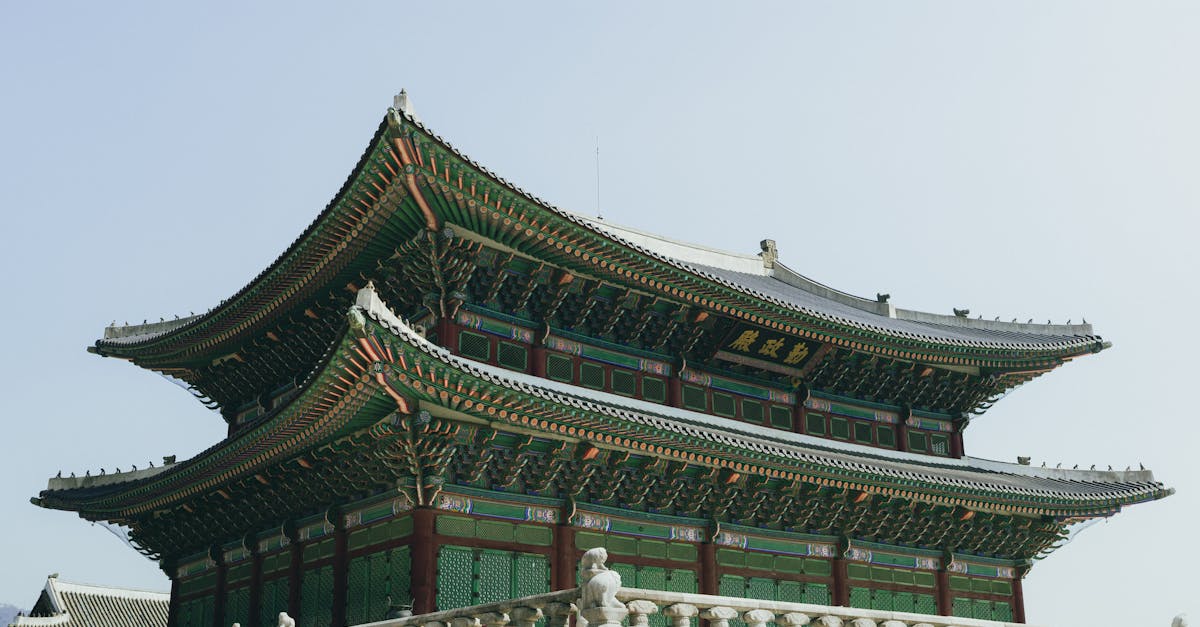
Seoul experiences four distinct seasons, each offering a unique experience for travelers.
Spring (March to May): Spring is one of the most beautiful times to visit, as cherry blossoms bloom across the city. Temperatures range from the mid-40s to mid-70s Fahrenheit, making it comfortable for outdoor activities. This season can attract larger crowds, especially during the cherry blossom festivals, so booking accommodations in advance is advisable.
Summer (June to August): Summer in Seoul can be hot and humid, with temperatures often exceeding 85°F. While this season sees fewer tourists due to the heat, it does bring vibrant festivals and events. Prices for accommodations may drop slightly as the season progresses, making it a more budget-friendly time to visit.
Autumn (September to November): Fall is another exceptional time to visit, with temperatures ranging from the mid-50s to mid-70s. The changing leaves create stunning scenery, especially in the city’s parks and palaces. Autumn is generally less crowded than spring, and prices for flights and hotels start to decrease.
Winter (December to February): Winters can be quite cold, with temperatures often dropping below freezing. However, Seoul transforms into a winter wonderland, complete with festive lights and holiday markets. If you’re willing to bundle up, this season presents an opportunity to enjoy lower prices on accommodations and attractions.
Where to Stay in Seoul#
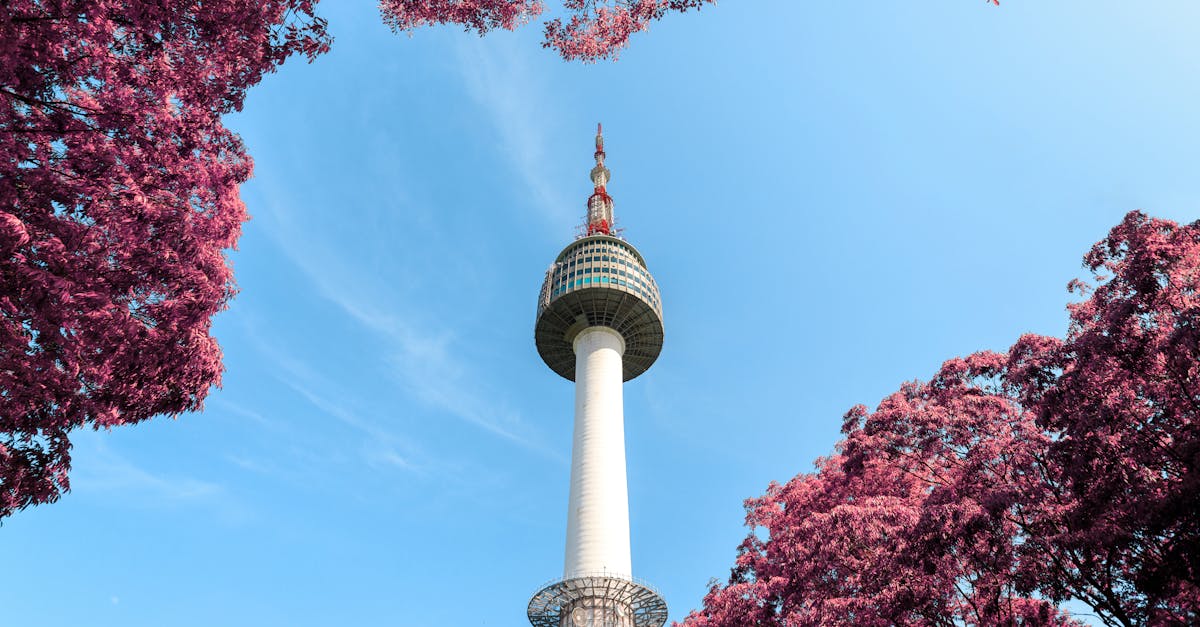
Finding the right neighborhood for your stay can enhance your experience in Seoul, especially when traveling on a budget.
Budget: Areas like Hongdae and Itaewon are popular among backpackers and budget travelers. Both neighborhoods feature affordable guesthouses and hostels, lively nightlife, and a youthful atmosphere. You’ll find plenty of dining options that cater to all tastes and budgets.
Mid-Range: For those seeking a balance between comfort and affordability, Myeongdong and Insadong are excellent choices. Myeongdong is known for shopping and street food, while Insadong offers a more traditional vibe with art galleries and tea houses. Both areas provide a range of mid-range hotels and boutique guesthouses.
Luxury: If you’re looking for a more upscale experience, the Gangnam area is a great option. Known for its high-end shopping and dining, Gangnam offers luxurious hotels and easy access to the city’s major attractions. Alternatively, the Dongdaemun area also has upscale accommodations along with its famous night market.
Top Things to Do in Seoul#
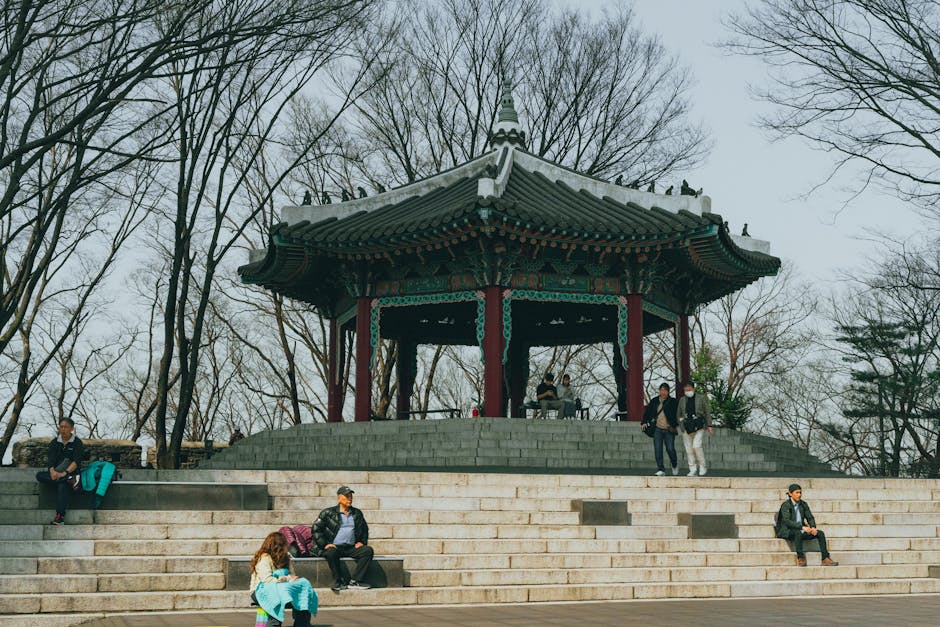
Gyeongbokgung Palace: This iconic palace, the largest of the Five Grand Palaces, is a must-visit for its stunning architecture and rich history. Don’t miss the changing of the guard ceremony.
Bukchon Hanok Village: Wander through this traditional village filled with hanoks (traditional Korean houses). It’s a great place to experience Korean culture and take beautiful photos.
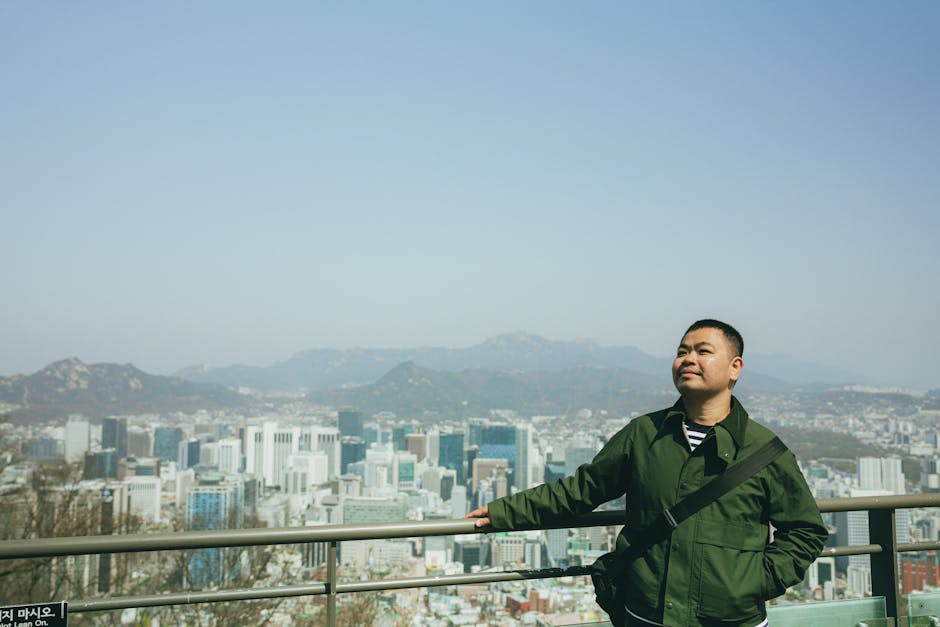
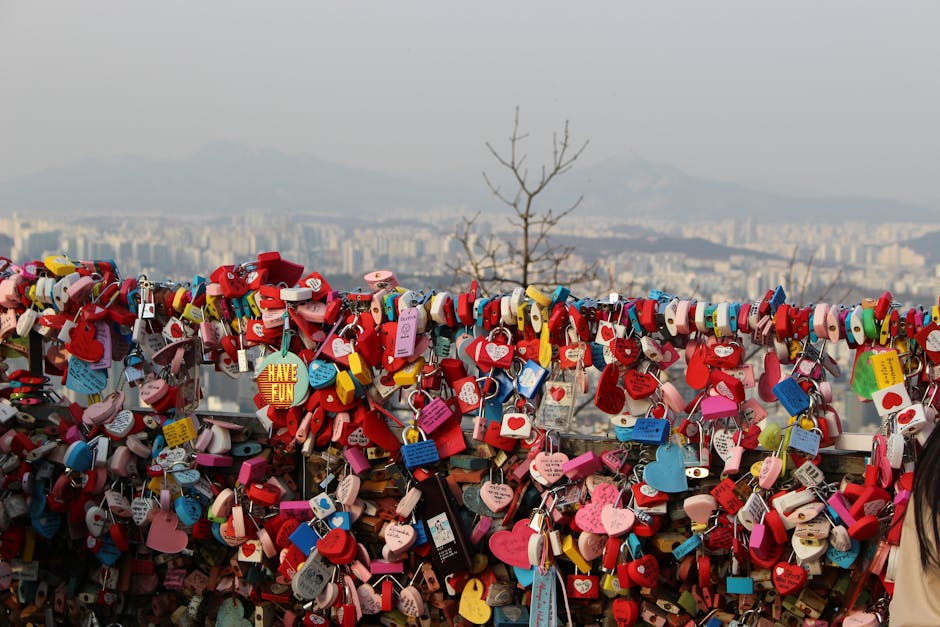
N Seoul Tower: For panoramic views of the city, head to Namsan Mountain and take the cable car up to N Seoul Tower. The view is especially breathtaking at sunset.
Insadong: Explore this cultural district known for its antique shops, art galleries, and traditional tea houses. It’s the perfect place to pick up unique souvenirs.
Dongdaemun Design Plaza: An architectural marvel, this area hosts exhibitions and events. The surrounding market is great for late-night shopping and street food.
Cheonggyecheon Stream: This restored stream runs through downtown Seoul and is perfect for a leisurely stroll. The area is beautifully lit at night and often features art installations.
Hongdae: Known for its youthful energy, Hongdae is the place to experience Seoul’s indie music scene, street performances, and vibrant nightlife.
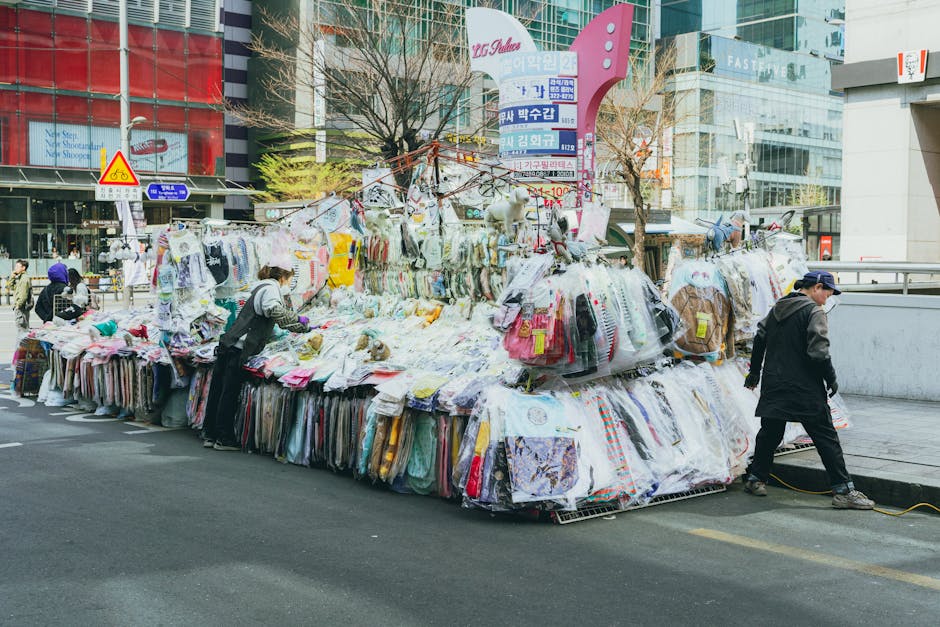
Namdaemun Market: Experience one of Korea’s largest traditional markets, where you can find everything from clothing to delicious street food at affordable prices.
Lotte World: For families or thrill-seekers, Lotte World offers an amusement park and shopping complex. It’s a fun way to spend a day without venturing too far from the city center.
Seoul Forest: A peaceful escape from the hustle and bustle, this park features walking trails, deer, and art installations. It’s perfect for a relaxing afternoon.
Food and Dining Guide#
Korean cuisine is a highlight of any visit to Seoul, and experiencing the local food scene can be done on a budget. Here are some must-try dishes:
Bibimbap: A colorful rice bowl topped with assorted vegetables, meat, and a fried egg, often served with gochujang (red chili paste). It’s nutritious and filling.
Kimchi: This fermented vegetable dish, usually made with napa cabbage and radishes, is a staple in Korean cuisine. Be sure to try different varieties.
Tteokbokki: Spicy stir-fried rice cakes, often found at street food stalls. They’re chewy and flavorful, making them a favorite among locals and tourists alike.
Samgyeopsal: Grilled pork belly that you cook at your table, served with various side dishes. It’s best enjoyed with friends and a few bottles of soju.
Street Food: Don’t miss the bustling street food scene in areas like Myeongdong and Gwangjang Market. Try hotteok (sweet pancakes) or bungeoppang (fish-shaped pastries filled with red bean paste) for a delightful snack.
When dining out, you can find a wide range of restaurants and food stalls that cater to every budget. Street food typically costs between $1 to $5, while a meal in a mid-range restaurant can range from $10 to $20.
Getting Around Seoul#
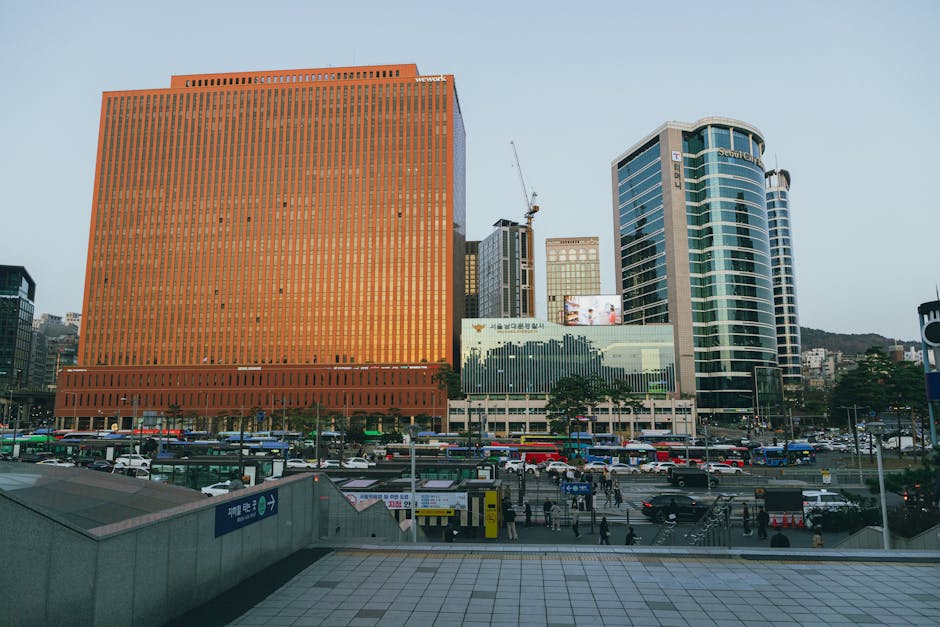
Navigating Seoul is convenient and budget-friendly, thanks to its efficient public transportation system.
Public Transit: The subway system is extensive and easy to use, with signs in English. A single journey costs around $1 to $2, depending on the distance. Consider getting a T-money card, which can be used for subway, bus, and even some taxis.
Taxis: Taxis are widely available and relatively inexpensive compared to those in many American cities. Be aware that there are different types, including regular and deluxe taxis, with the latter being more expensive.
Walking: Many of Seoul’s attractions are located close to each other, making walking a pleasant way to explore. The city is pedestrian-friendly, especially in popular districts.
Rental Cars: While renting a car is an option, it’s generally not necessary unless you plan to visit areas outside the city. Traffic can be heavy, and parking is often limited and costly.
Budget Breakdown#
Understanding the costs associated with your trip can help you plan effectively. Here’s a rough daily budget estimate for different types of travelers:
Budget Travelers: Expect to spend around $50-$80 per day. This includes accommodation in hostels or budget hotels ($30-50/night), street food and casual dining ($15-25), public transit ($5), and inexpensive attractions or free activities.
Mid-Range Travelers: A daily budget of $100-$200 is reasonable. This covers accommodation in mid-range hotels ($70-120/night), meals at local restaurants ($30-50), transportation ($10), and entry fees to various attractions ($20).
Luxury Travelers: For those seeking a more upscale experience, budgeting $250+ per day is advisable. This includes luxury accommodations ($150-300/night), fine dining ($60+), private transportation or taxis ($30), and premium experiences or guided tours ($50+).
Travel Tips for Seoul#
Safety: Seoul is one of the safest cities in the world, but it’s always wise to take standard precautions, like keeping your belongings secure and being aware of your surroundings.
Tipping: Tipping is not customary in South Korea, and leaving small change can even be considered rude. Service charges are typically included in bills.
Language: While many people in Seoul speak basic English, learning a few Korean phrases can enhance your experience and help you connect with locals.
SIM Cards: Consider purchasing a SIM card or portable Wi-Fi device upon arrival. This will keep you connected during your travels and help with navigation.
Scams to Avoid: Be cautious of overly aggressive sales tactics in tourist areas, and watch out for anyone offering unsolicited help, as they may expect a tip.
Cultural Etiquette: Familiarize yourself with local customs, such as bowing as a greeting and removing shoes before entering homes or certain traditional restaurants.
Cash vs. Card: While credit cards are widely accepted, it’s advisable to carry some cash for street food and smaller shops. ATMs are readily available, but not all accept foreign cards.
With its rich culture, delicious cuisine, and friendly atmosphere, exploring Seoul on a budget is not only possible but incredibly rewarding. Whether you’re wandering through ancient palaces or enjoying street food at a bustling market, the city offers endless opportunities for adventure and discovery. If you’re also considering a trip to Kathmandu, Nepal or Ho Chi Minh City, Vietnam, check out our guides for more budget-friendly travel tips.
📌 Disclaimer
Prices, schedules, tour details, flight routes, visa requirements, and all other information on this page are based on data at the time of writing. Fares, availability, and policies may change. Please verify current details on the official website before booking.