Photo by C1 Superstar on Pexels
Why Visit Rome?#
Rome, the Eternal City, is a living testament to the grandeur of ancient history, art, and culture. Stepping into Rome is like walking through a museum where every street corner reveals a piece of history. From the majestic Colosseum to the awe-inspiring Vatican City, the city is a treasure trove of iconic landmarks that tell stories of empires, revolutions, and artistic brilliance. The combination of historical significance and vibrant contemporary life makes Rome a must-visit destination for any traveler.
Beyond the famous sights, Rome is also a city that embraces the simple pleasures of life. Strolling through its charming cobblestone streets, indulging in gelato, and enjoying al fresco dining in picturesque piazzas are experiences that create lasting memories. The city’s rich culinary scene, lively markets, and warm locals add to its allure, making Rome not just a place to visit, but a place to fall in love with.
Best Time to Visit Rome#
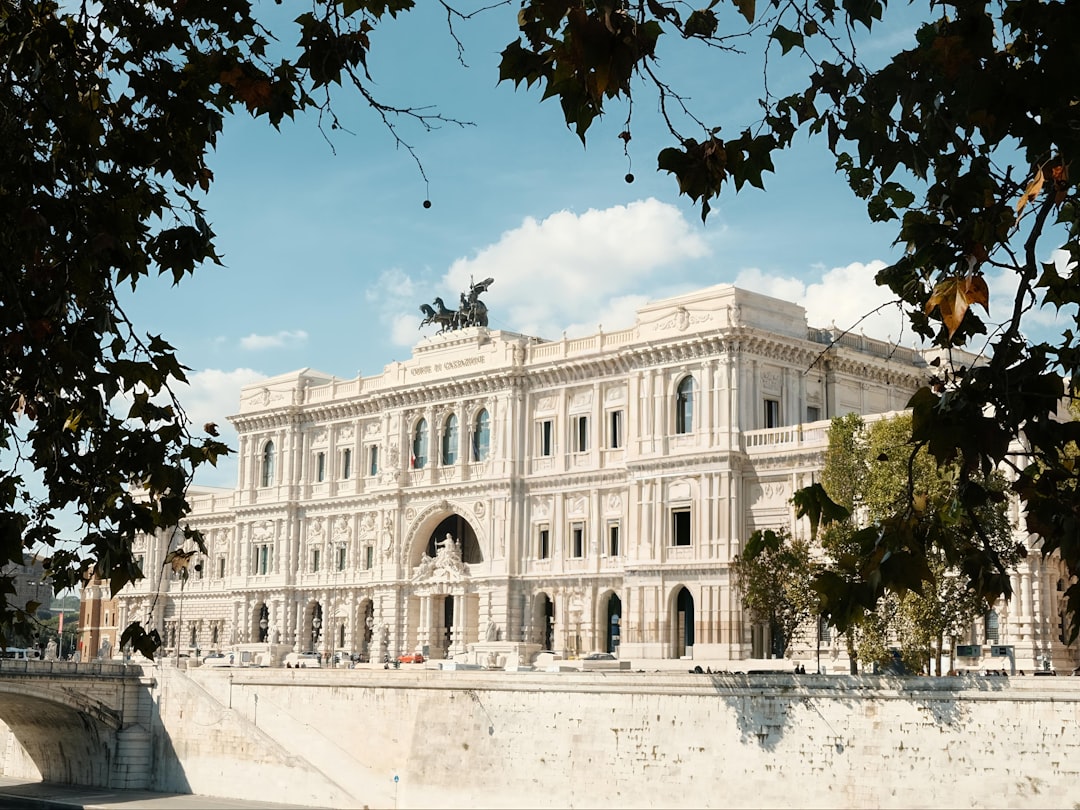
When planning your trip to Rome, timing can significantly enhance your experience. The best time to visit is during the spring (April to June) and early fall (September to October). During these months, the weather is pleasantly mild, with temperatures ranging from the mid-60s to low 80s °F. Additionally, the tourist crowds are thinner compared to the peak summer months, allowing for a more enjoyable exploration of the city’s attractions.
Summer (July to August) sees temperatures soar, often exceeding 90°F, and tourist crowds peak, particularly in popular sites like the Vatican and the Colosseum. While this season offers vibrant nightlife and numerous festivals, be prepared for long lines and higher prices, especially for accommodations. Winter (November to March) is the least crowded time to visit, with cooler temperatures averaging in the 40s to 50s °F. While some attractions may have reduced hours, you can enjoy Rome’s festive holiday atmosphere, especially during Christmas.
Where to Stay in Rome#
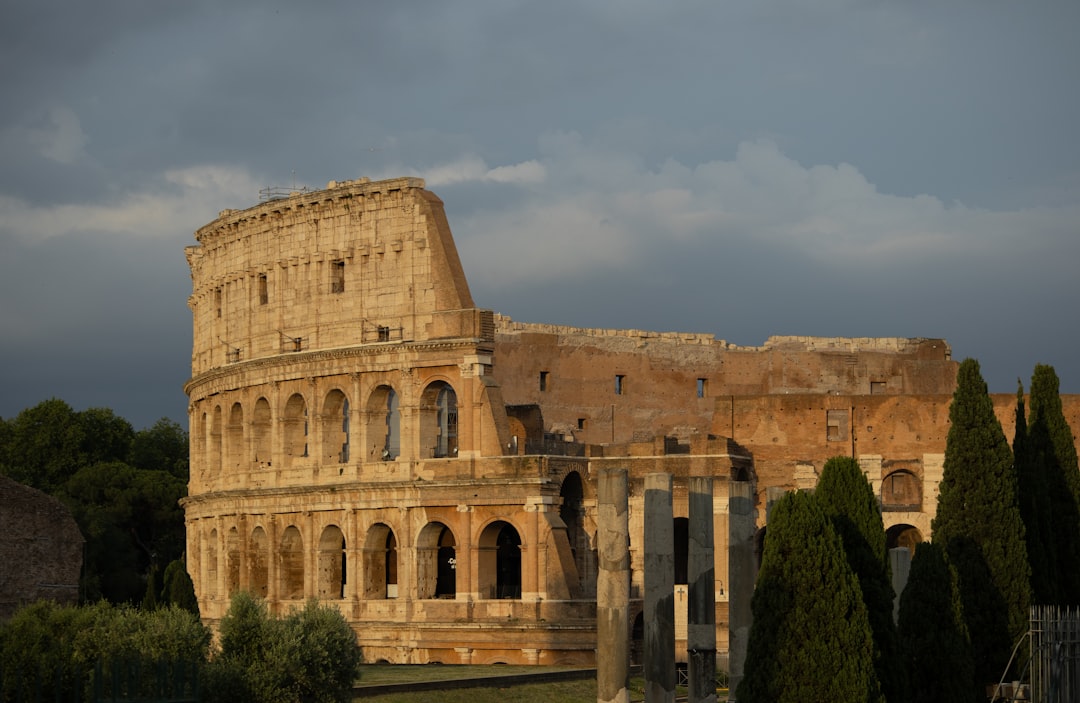
Choosing the right neighborhood can greatly enhance your stay in Rome. Here are some recommendations across different budget tiers:
Budget: Trastevere
Trastevere is a charming neighborhood with narrow, winding streets and a bohemian vibe. It’s known for its budget-friendly hostels and guesthouses. This area is also famous for its lively nightlife and authentic Roman eateries, making it a great choice for young travelers and those looking for a more local experience.
Mid-Range: Monti
Monti is centrally located, just a stone’s throw from the Colosseum. The area has a mix of boutique hotels and cozy bed-and-breakfasts. Monti boasts a vibrant atmosphere with trendy shops, cafes, and restaurants, making it perfect for travelers who want to be close to major attractions while enjoying a local feel.
Luxury: Vatican City/San Pietro
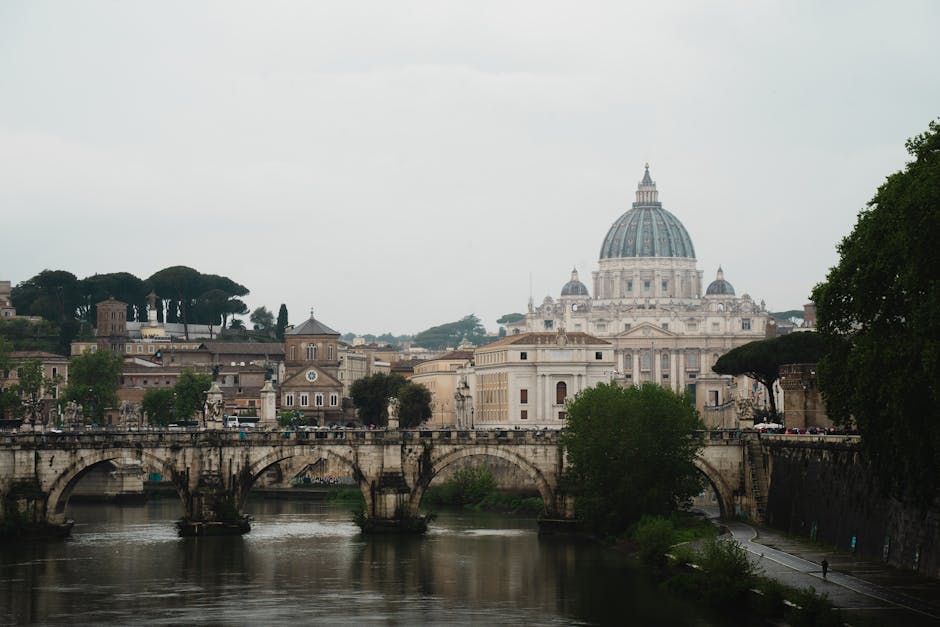
For a luxurious experience, consider staying near Vatican City. This area offers upscale hotels with stunning views of St. Peter’s Basilica. Being close to the Vatican Museums and the Sistine Chapel makes it a prime location for art and history enthusiasts, while the elegant surroundings provide a refined atmosphere for relaxation.
Hidden Gem: Testaccio
Testaccio is often overlooked by tourists but offers an authentic Roman experience. Known for its culinary scene, this neighborhood features traditional markets and local eateries. Accommodations here are typically more affordable, providing a great base for food lovers looking to explore Rome’s culinary delights.
Top Things to Do in Rome#
Colosseum
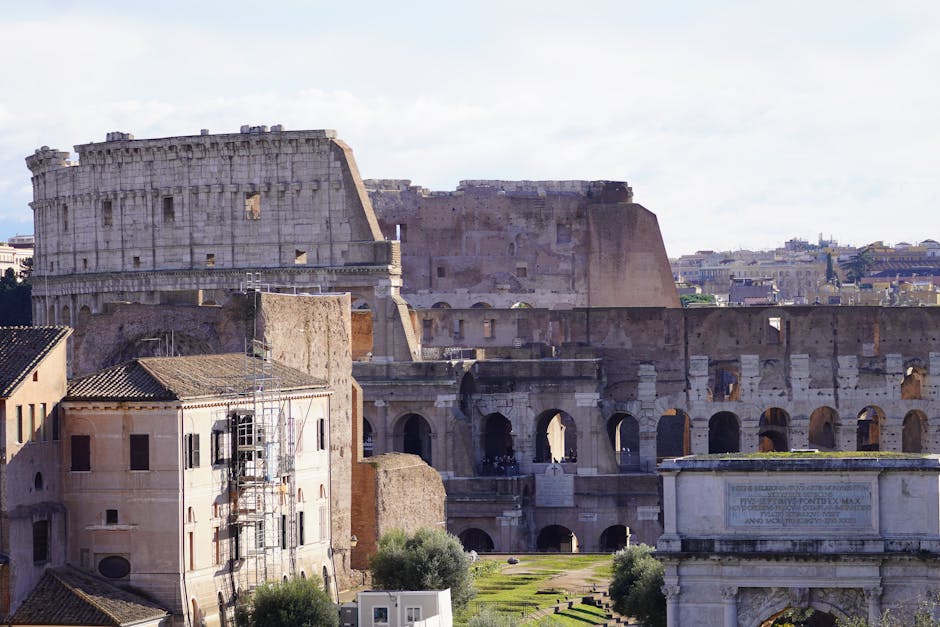
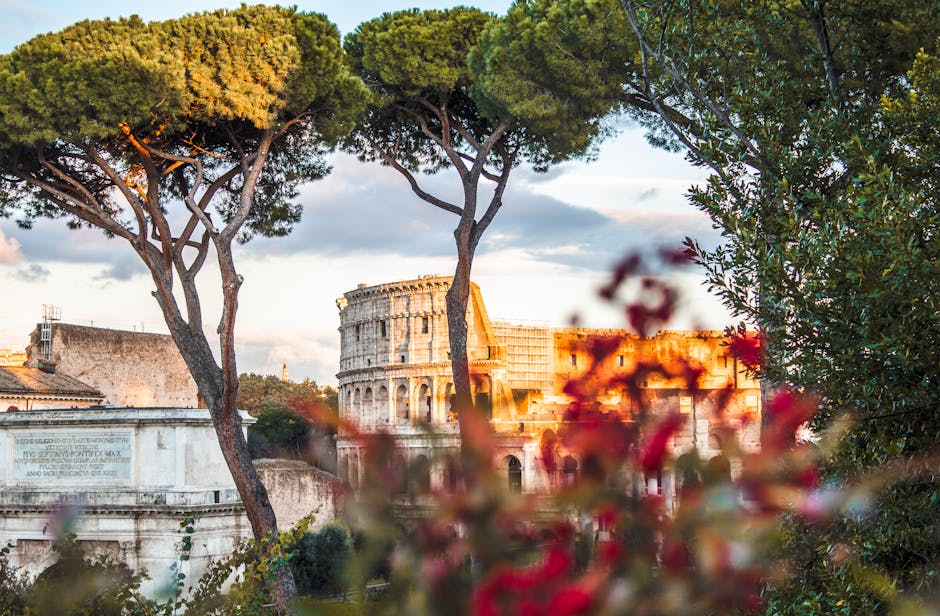
No trip to Rome is complete without visiting the iconic Colosseum. This ancient amphitheater is a marvel of engineering and history, where gladiators once battled. Consider booking a guided tour to learn about its fascinating past.Vatican City
Home to St. Peter’s Basilica, the Vatican Museums, and the Sistine Chapel, this independent city-state is a must-see. Be sure to reserve tickets in advance to avoid long lines and fully immerse yourself in the awe-inspiring art and architecture.Roman Forum
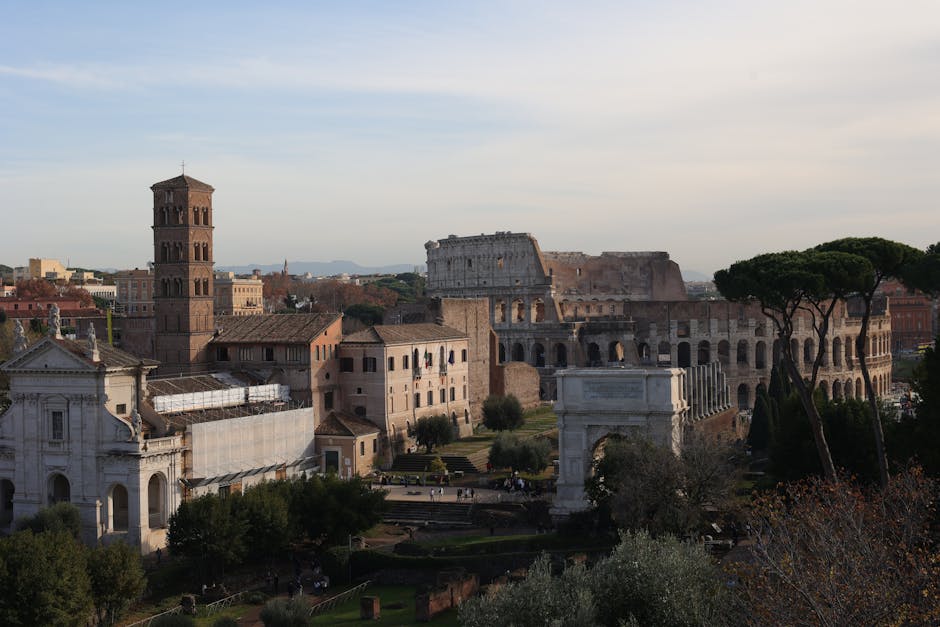
Adjacent to the Colosseum, the Roman Forum was the center of public life in ancient Rome. Explore the ruins of temples, basilicas, and marketplaces that once buzzed with activity.Pantheon
This architectural marvel is one of the best-preserved monuments from ancient Rome. Its massive dome and oculus create a breathtaking atmosphere, and entry is free, making it a perfect stop for budget travelers.Trevi Fountain
A visit to the stunning Trevi Fountain is a must. Toss a coin over your left shoulder to ensure your return to Rome. The fountain’s intricate sculptures and flowing water make it a picturesque spot, especially at night when it’s beautifully illuminated.Piazza Navona
This vibrant square is known for its stunning Baroque architecture and lively atmosphere. Enjoy street performances, indulge in gelato, and admire the famous Fountain of the Four Rivers.Trastevere Neighborhood
Take a stroll through Trastevere to experience the local culture. This area is filled with charming streets, artisan shops, and authentic trattorias. It’s the perfect place to unwind after a day of sightseeing.Galleria Borghese
Art lovers should not miss the Galleria Borghese, home to an impressive collection of works by Caravaggio, Bernini, and Raphael. Be sure to book your tickets in advance as entry is limited.Campo de’ Fiori
This bustling market is a great place to experience local life. Visit in the morning for fresh produce and flowers, or return in the evening for lively bars and restaurants that fill the square.Appian Way
For a taste of ancient Roman life, rent a bike and explore the Appian Way, one of the oldest roads in Rome. Here, you can see ancient aqueducts, tombs, and enjoy the beautiful countryside.
Food and Dining Guide#
Rome is a culinary paradise, and sampling local cuisine is essential to your visit. Start with classic Roman dishes like:
- Cacio e Pepe: A simple yet delicious pasta dish made with Pecorino Romano cheese and black pepper.
- Carbonara: Another pasta favorite made with guanciale (cured pork cheek), egg, and cheese.
- Saltimbocca alla Romana: A traditional meat dish made with veal and prosciutto, flavored with sage.
- Supplì: Fried rice balls filled with mozzarella, perfect for a quick snack.
- Tiramisu: Don’t miss this classic Italian dessert, a delightful combination of coffee-soaked ladyfingers and mascarpone cream.
For a true local experience, try the street food available at markets like Campo de’ Fiori or Testaccio Market. Grab a slice of pizza al taglio (pizza by the slice) or sample a porchetta sandwich from a local vendor. For dining, seek out family-run trattorias where you can enjoy authentic dishes in a cozy setting.
Getting Around Rome#
Navigating Rome is relatively easy, thanks to its efficient public transport system. The metro, buses, and trams cover most areas of the city. A single ticket is valid for 100 minutes and allows transfers between different modes of transport. For convenience, consider purchasing a Roma Pass, which offers unlimited travel on public transport and discounts on attractions.
Walking is also a fantastic way to explore the city, as many of Rome’s attractions are within walking distance of each other. The cobblestone streets and beautiful architecture make for a delightful stroll. Taxis are available, but be cautious of potential scams. It’s best to use official taxi stands or rideshare apps for a safer experience.
Renting a car is generally not recommended, as parking can be challenging and traffic is often congested. However, if you plan to explore the outskirts of Rome or visit nearby towns, a rental car may be a convenient option.
Budget Breakdown#
Understanding your budget is crucial for a stress-free trip. Here’s a rough daily budget estimate:
Budget Travelers: Expect to spend around $70-100 per day. This includes budget accommodations ($30-50/night), street food or casual dining ($15-25), local transport ($5-10), and inexpensive attractions (many are free or have low entry fees).
Mid-Range Travelers: A budget of $150-250 per day is realistic. This covers mid-range accommodations ($80-150/night), dining at nicer restaurants ($30-50), transportation ($10-20), and entry to popular attractions ($20-40).
Luxury Travelers: If you’re looking for a high-end experience, budget around $300-600 per day. This includes luxury accommodations ($200-400/night), fine dining ($70-150), private transport or tours ($50-100), and premium attraction experiences ($50+).
Travel Tips for Rome#
Safety: Rome is generally safe, but be cautious of pickpockets, especially in crowded areas and on public transport. Keep your belongings secure and be aware of your surroundings.
Tipping: Tipping is appreciated but not mandatory. Leaving a small tip (around 5-10%) for good service in restaurants is customary.
Language: While many Romans speak English, learning a few basic Italian phrases can enhance your experience and endear you to locals.
SIM Cards: If you need mobile data, consider purchasing a local SIM card at the airport or in the city. This is often more cost-effective than roaming charges.
Scams: Be wary of street performers or individuals asking for money. If you’re approached, it’s best to politely decline and keep walking.
Dress Code: When visiting churches and the Vatican, dress modestly. Shoulders and knees should be covered, so it’s wise to carry a light scarf or shawl.
Timing: To avoid crowds, visit popular attractions early in the morning or later in the afternoon. Many museums also have late opening hours on certain days, allowing for a quieter experience.
Rome is a city that captivates with its history, culture, and culinary delights. Whether you’re wandering through ancient ruins or savoring a plate of pasta, every corner of Rome invites exploration and discovery. If you’re also considering a trip to Bruges, Belgium or Copenhagen, Denmark, check out our guides for more travel inspiration.
📌 Disclaimer
Prices, schedules, tour details, flight routes, visa requirements, and all other information on this page are based on data at the time of writing. Fares, availability, and policies may change. Please verify current details on the official website before booking.