Why Visit Petra?#
Petra, often referred to as the “Rose City,” is one of the most iconic archaeological sites in the world and a UNESCO World Heritage Site. Nestled in the rugged mountains of southern Jordan, this ancient city carved into rose-colored rock is a testament to the ingenuity and craftsmanship of the Nabateans, who thrived here over 2,000 years ago. The stunning architecture, including the famous Treasury and Monastery, alongside breathtaking natural landscapes, makes Petra a must-visit destination for any traveler seeking history, culture, and adventure.
What sets Petra apart is not just its remarkable structures but the immersive experience it offers. As you walk through the narrow Siq, the main entrance to Petra, you are enveloped by towering cliffs that create an almost magical atmosphere. The contrast of the intricate carvings and vibrant colors of the rock formations with the serene desert environment captivates visitors, providing a unique blend of history and nature that is hard to find elsewhere. Beyond the main attractions, Petra’s lesser-known trails and hidden gems promise a sense of exploration that many travelers cherish.
Best Time to Visit Petra#
The best time to visit Petra is during the spring (March to May) and fall (September to November) when temperatures are mild and the weather is generally pleasant. During these months, daytime temperatures typically range from the mid-60s to low 80s Fahrenheit, making it ideal for trekking and exploring the site. Additionally, these shoulder seasons see fewer crowds compared to the peak summer months, allowing for a more intimate experience with the ancient ruins.
Summer (June to August) can be extremely hot, with temperatures often soaring above 100°F. While this may deter some travelers, those who are willing to brave the heat will find fewer tourists and potentially lower prices. Winter (December to February) brings cooler temperatures, sometimes dropping to the 40s at night, and occasional rain. However, visiting during winter can also provide a unique perspective on Petra, as the site is often less crowded, and the landscape takes on a different beauty.
Where to Stay in Petra#
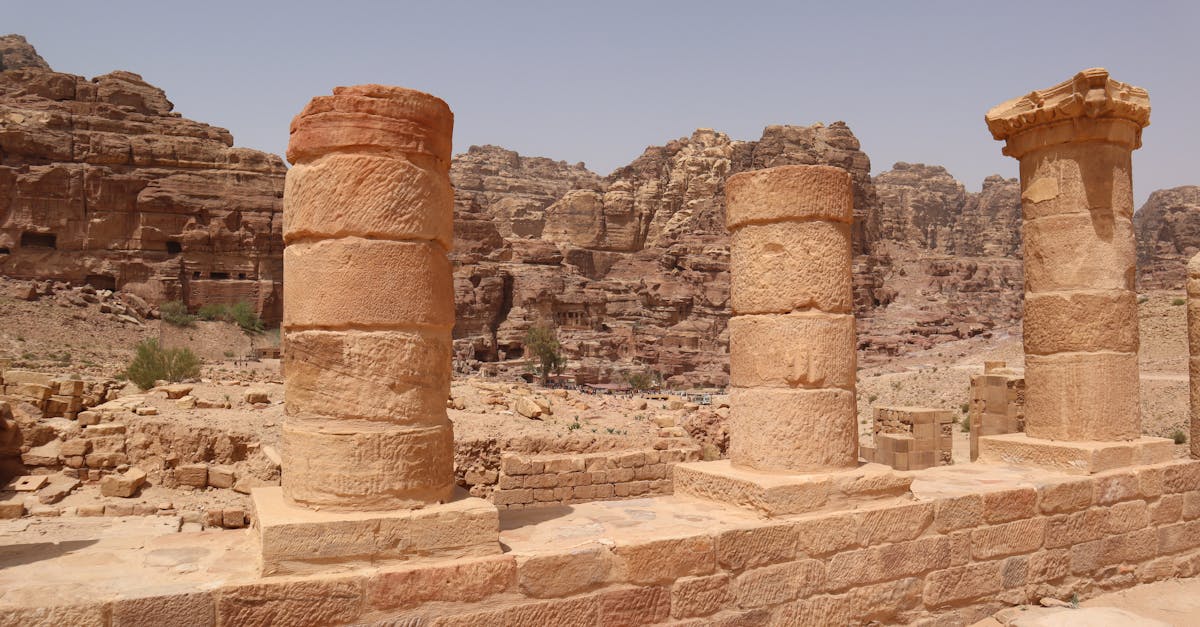
When it comes to accommodation in Petra, there are options to suit every budget and preference. Here are some recommendations across various tiers:
Budget#
For budget travelers, there are hostels and guesthouses located within walking distance of Petra’s entrance. These options typically start around $30-50 per night and provide basic amenities, making them a great choice for those looking to save money while still enjoying a comfortable stay.
Mid-Range#
Mid-range hotels can be found in nearby Wadi Musa, the town adjacent to Petra. These accommodations usually offer more amenities, such as pools and on-site dining, with prices ranging from $70-150 per night. Staying here allows easy access to the archaeological site while enjoying a bit more comfort.
Luxury#
For those seeking a luxurious experience, there are upscale hotels that provide stunning views of the surrounding mountains and exceptional service. Prices for luxury accommodations typically start around $200 per night and can go significantly higher, depending on the season and specific amenities offered.
Top Things to Do in Petra#
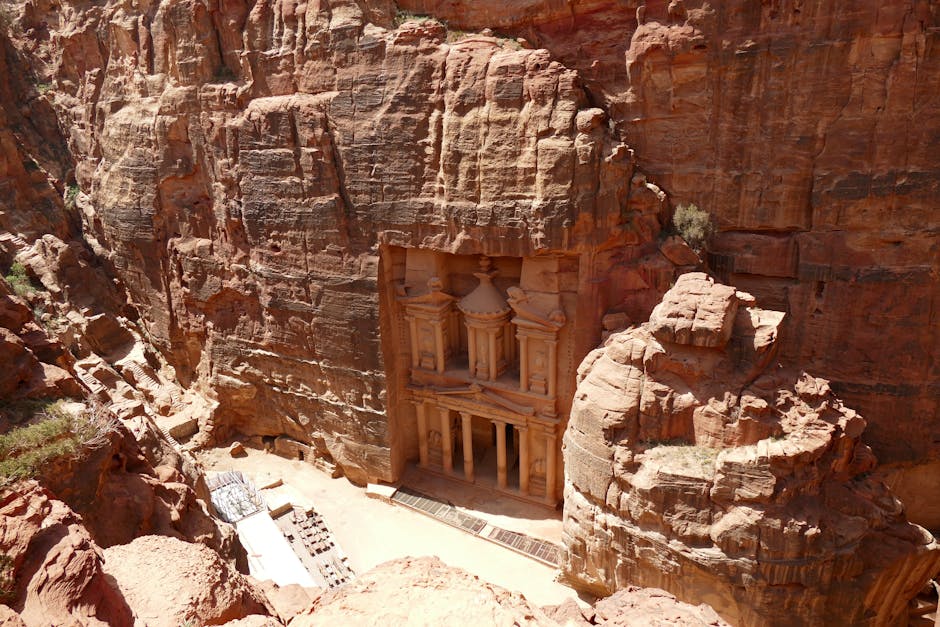
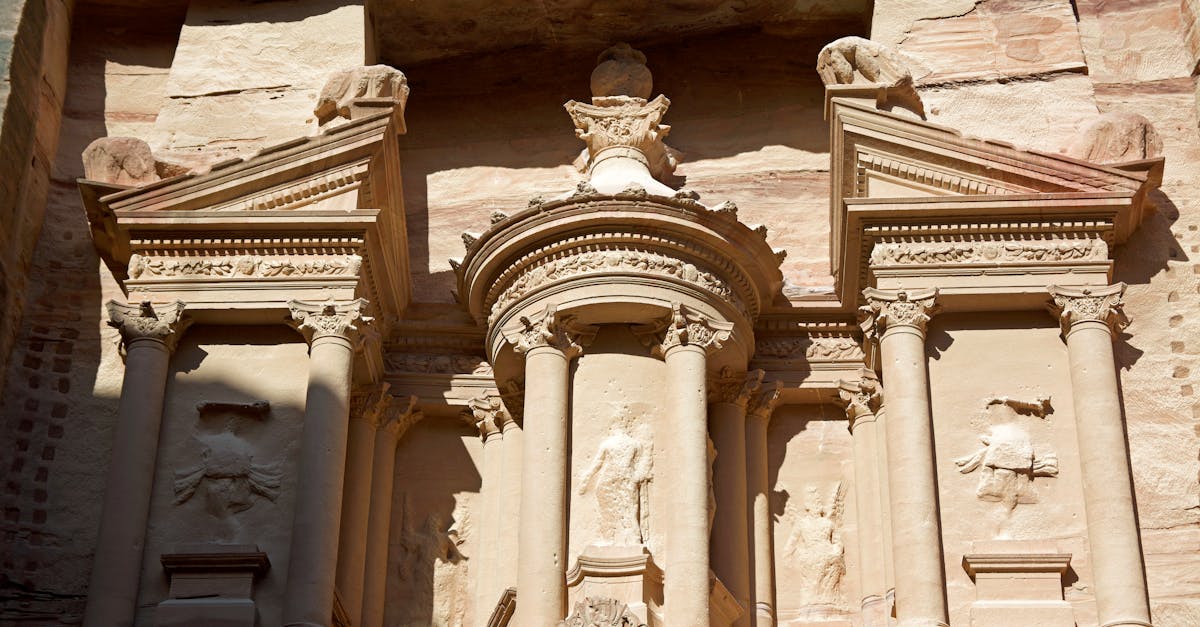
- The Treasury (Al-Khazneh): The most famous monument in Petra, the Treasury is a stunning example of Nabatean architecture, carved directly into the rock face. Its intricate façade, adorned with classical columns and statues, is awe-inspiring.
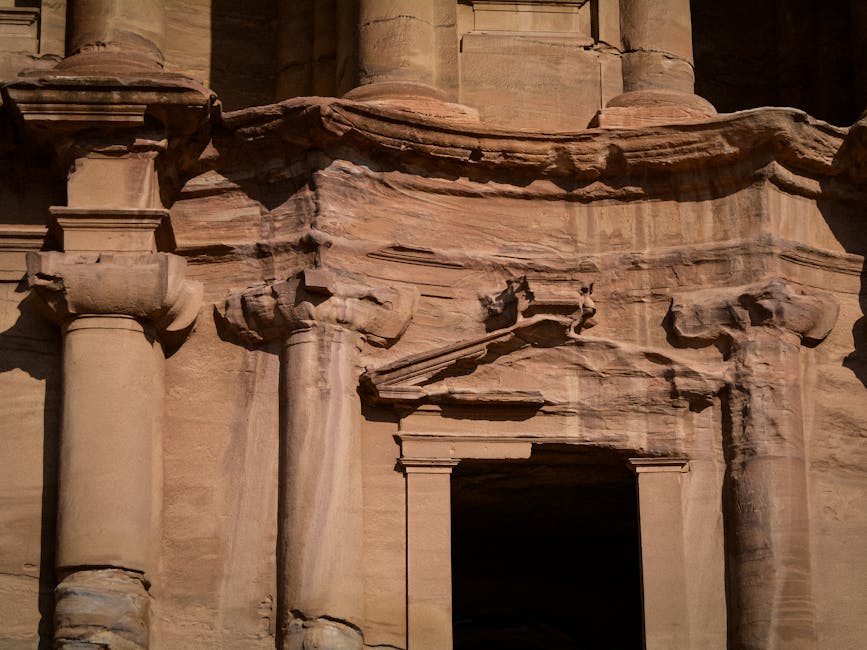
- The Monastery (Ad-Deir): A bit of a trek from the main site, the Monastery is worth the hike. This monumental structure is larger than the Treasury and offers breathtaking views of the surrounding landscape.
- The Siq: The narrow gorge that serves as the main entrance to Petra, the Siq is a dramatic pathway flanked by towering cliffs and fascinating rock formations. The walk through the Siq is an experience in itself.
- Petra By Night: A magical experience, Petra By Night features the site illuminated by thousands of candles. This event occurs on certain evenings and offers a unique ambiance to the already enchanting surroundings.
- The Royal Tombs: Located near the main street of Petra, the Royal Tombs are a series of impressive burial sites carved into the rock, showcasing the grandeur of Nabatean architecture.
- The High Place of Sacrifice: For those looking for a bit of adventure, hiking to the High Place of Sacrifice offers not only a glimpse into ancient rituals but also panoramic views of Petra.
- Little Petra (Siq al-Barid): Just a short drive from Petra, Little Petra is a smaller version of its famous counterpart and features similar rock-cut architecture. It’s a quieter site that allows for exploration without the crowds.
- The Petra Museum: A newer addition to the Petra experience, the museum showcases artifacts and exhibits that explain the history and significance of the Nabatean civilization.
- The Byzantine Church: This site features beautiful mosaics and offers insight into the later periods of Petra’s history, showcasing the transition of the city through different cultures.
- Wadi Musa: Take some time to explore the town of Wadi Musa, where you can find local shops, cafes, and a chance to interact with the friendly Jordanian culture.
Food and Dining Guide#
Jordanian cuisine is a delightful blend of Mediterranean and Middle Eastern flavors, making it a treat for food lovers. Here are some local highlights and must-try dishes during your visit to Petra:
- Mansaf: The national dish of Jordan, mansaf is a traditional lamb dish served with rice and topped with a tangy yogurt sauce. It’s a must-try for any visitor.
- Falafel: A popular street food, falafel is made from ground chickpeas and spices, deep-fried into crispy balls. They are often served in pita bread with fresh vegetables and tahini sauce.
- Hummus: This creamy dip made from chickpeas, tahini, lemon juice, and garlic is a staple in Jordanian cuisine. Pair it with fresh pita bread for a delicious snack.
- Kebab Hindi: Juicy skewers of marinated meat, usually served with rice or bread, kebab Hindi is a flavorful dish that showcases the region’s spices.
- Baklava: For dessert, indulge in baklava, a sweet pastry made of layers of filo dough, nuts, and honey syrup. It’s a delightful way to end a meal.
Local dining options range from street food stalls to more formal restaurants in Wadi Musa. While street food can be an adventurous choice, dining in local restaurants offers a chance to experience Jordanian hospitality.
📌 Disclaimer
Prices, schedules, tour details, flight routes, visa requirements, and all other information on this page are based on data at the time of writing. Fares, availability, and policies may change. Please verify current details on the official website before booking.