Why Visit Nara?#
The scent of damp earth after a light rain mingles with the fragrance of blooming cherry blossoms, creating an inviting atmosphere in Nara. This city, once the capital of Japan , stands as a testament to the country’s ancient history and natural beauty. With its tranquil parks, free-roaming deer, and stunning temples, Nara offers an experience that feels both serene and enriching. Visitors can wander through lush landscapes and encounter remarkable cultural sites that showcase Japan’s storied past without the overwhelming crowds found in larger cities.
Nara is home to some of the country’s most significant historical treasures, including the majestic Todai-ji Temple, where the Great Buddha resides, and the elegant Kasuga-taisha Shrine, famous for its hundreds of stone lanterns. The blend of nature and history creates a unique ambiance that encourages exploration and reflection. For those looking to experience Japan ’s heritage in a more intimate setting, Nara provides an ideal backdrop, making it a perfect choice for budget-conscious travelers who want to savor authentic experiences without overspending.
Best Time to Visit Nara#

The best time to visit Nara is during the spring and fall months when the weather is mild and the scenery is particularly striking. From March to May, cherry blossoms bloom, transforming the parks into a stunning canvas of pink and white. This season sees moderate crowds, especially during hanami, or cherry blossom viewing, in early April. However, prices for accommodations may rise during peak bloom periods, so it’s wise to book early if you plan to visit during this time.
Autumn, spanning from September to November, offers a different kind of beauty as the leaves change color, painting the landscape with hues of red, orange, and yellow. The temperatures during these months are comfortable, making it an excellent time for outdoor exploration. While summer, particularly June to August, can be hot and humid, it also brings a lively festival atmosphere, though it tends to attract larger crowds and higher prices. Winter, from December to February, can be cold, but it provides a quieter experience, allowing for low-cost accommodations and fewer tourists.
Where to Stay in Nara#

For budget travelers, the area near Nara Park is an excellent choice, offering affordable guesthouses and hostels. The proximity to major attractions like the Todai-ji Temple and the friendly deer in the park makes this area convenient for exploration. Mid-range options can be found in the city center, where you can enjoy a comfortable stay with easy access to shops and local restaurants. This area often features traditional ryokans, where you can experience Japanese hospitality at a reasonable price.
If you’re looking for a touch of luxury, consider staying in the upscale hotels along the outskirts of the city. These accommodations often provide stunning views of the surrounding hills and gardens, along with modern amenities. While prices may be higher, the serene environment and added comforts can enhance your experience.
Regardless of your budget, staying in Nara allows you to enjoy its peaceful atmosphere and easy accessibility to the city’s attractions.
Top Things to Do in Nara#
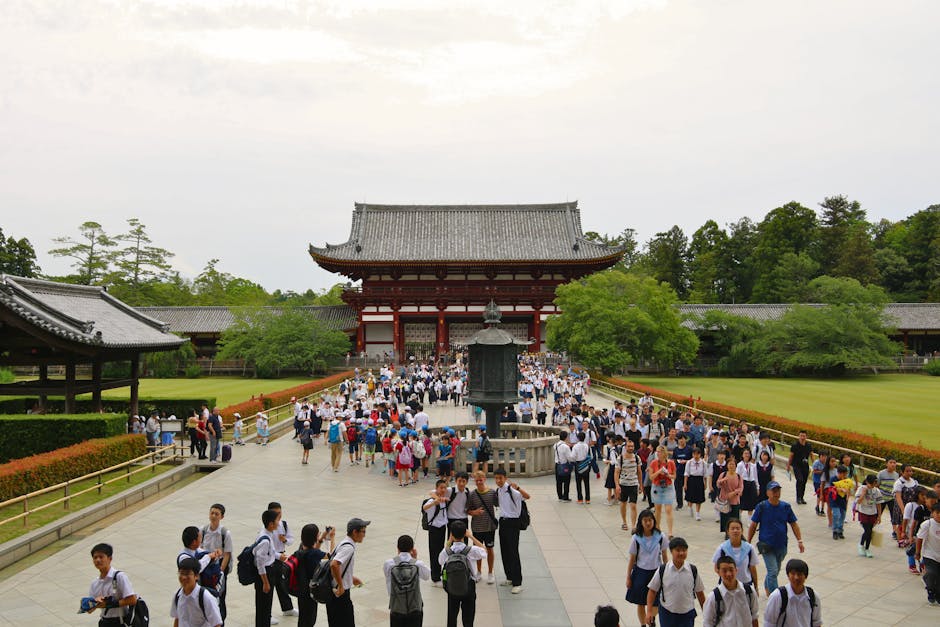
Strolling through Nara Park is a must for any visitor. This expansive area is home to over a thousand free-roaming deer, considered messengers of the gods in Shinto belief. You can purchase special deer crackers to feed them, providing a delightful interaction that is perfect for families and animal lovers alike. The park also serves as a gateway to several significant cultural sites.
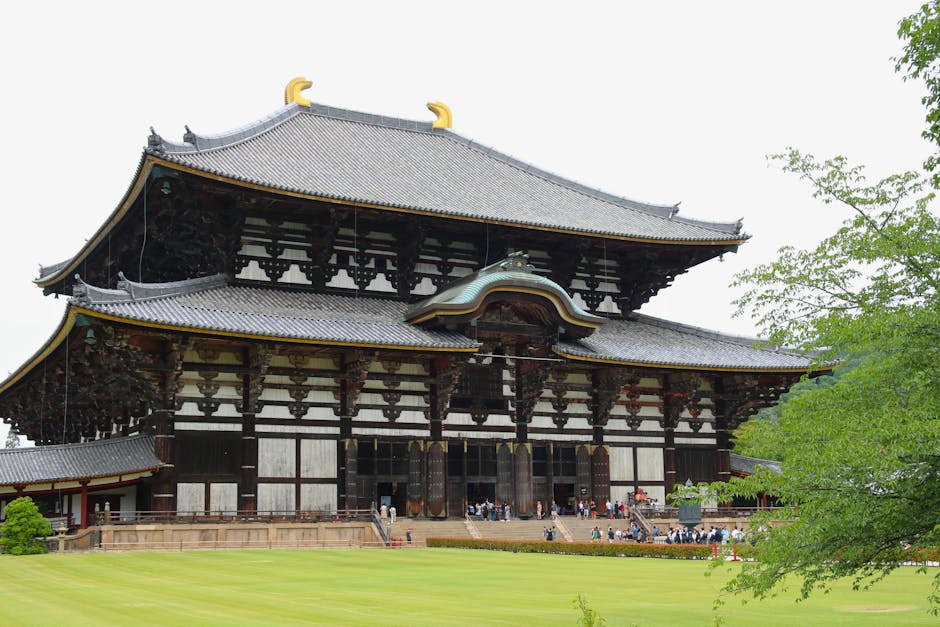
The Todai-ji Temple, a UNESCO World Heritage Site, is an architectural marvel that houses a massive bronze statue of Buddha. Standing at 15 meters tall, the Great Buddha is an awe-inspiring sight that draws visitors from around the world. The temple’s intricate wooden structure is equally impressive, showcasing the craftsmanship of the Nara period.
Just a short walk away, the Kasuga-taisha Shrine offers a serene escape with its thousands of lanterns lining the paths. If you visit in February, you may catch the beautiful Lantern Festival, where the lanterns are lit, creating a magical atmosphere.
For a more tranquil experience, the Isuien Garden provides a peaceful retreat with its carefully designed landscape and traditional tea houses. Here, visitors can enjoy the beauty of nature while sipping matcha tea, surrounded by cherry blossoms in spring or colorful leaves in fall.
Another highlight is the Naramachi district, a historic area filled with traditional wooden merchant houses. As you wander its narrow streets, you’ll encounter quaint shops and cafes offering local crafts and snacks. This area gives you a glimpse into Nara’s past while providing a lively shopping experience.
If you’re interested in local history, the Nara National Museum is worth a visit. It showcases an impressive collection of Buddhist art and artifacts, allowing you to delve deeper into the region’s cultural significance. Admission is often affordable, making it a great option for budget travelers.
For a unique experience, consider visiting the Yoshikien Garden, which is free to enter and offers a stunning view of the city. This garden features a pond, moss garden, and tea house, providing a serene spot for relaxation and reflection.
Lastly, if you have time, take a short trip to Horyu-ji Temple, one of the oldest wooden buildings in the world. It’s a bit outside the city but can be reached easily by public transport, and its historical significance makes it a worthwhile excursion.
Food and Dining Guide#
Nara’s culinary scene is both diverse and accessible, making it easy to enjoy local flavors without spending too much. One dish you can’t miss is kakinoha-zushi, a type of sushi wrapped in persimmon leaves. This unique presentation not only preserves the flavor but also adds a delightful aroma. You can find this specialty at various local eateries and markets, often at reasonable prices.
Street food is another fantastic way to sample local cuisine. Try yakitori, skewered and grilled chicken, available from various vendors around Nara Park. The combination of smoky flavor and tender meat makes it a popular snack for visitors. Additionally, mochi, a sweet rice cake, is often sold by street vendors. Whether filled with red bean paste or served with a variety of toppings, this treat is a favorite among locals and tourists alike.
For a more sit-down experience, look for restaurants serving Nara’s soba noodles, which are made from buckwheat and typically served chilled with a dipping sauce. These noodles are a refreshing option, especially during the warmer months.
Don’t overlook the opportunity to try Nara’s sake as well. The city is known for its sake breweries, and many offer tastings. Pairing a glass of sake with local dishes can enhance your dining experience.
For budget-conscious travelers, convenience stores are abundant and offer a variety of affordable meals, from rice balls to bento boxes. These quick options are perfect for a picnic in the park or a simple meal after a long day of exploring.
📌 Disclaimer
Prices, schedules, tour details, flight routes, visa requirements, and all other information on this page are based on data at the time of writing. Fares, availability, and policies may change. Please verify current details on the official website before booking.