Photo by Uiliam Nörnberg on Pexels
Why Visit Marrakech?#
Marrakech, often referred to as the “Red City” due to its distinctive ochre-colored buildings, offers a vibrant blend of ancient history, rich culture, and modern charm. This Moroccan gem is a feast for the senses, where the sounds of bustling souks, the scents of exotic spices, and the sights of stunning architecture converge. The city’s medina, a UNESCO World Heritage site, is a labyrinth of narrow alleys filled with artisan shops, traditional riads, and lively markets, making it a true paradise for explorers and shoppers alike.
What truly sets Marrakech apart is its unique ability to embrace both tradition and modernity. Visitors can wander through the historic palaces and gardens that date back centuries, then indulge in contemporary cafes and boutique shops that showcase the creativity of local artists. The city is a melting pot of cultures, reflected in its cuisine, music, and festivals. Whether you’re sipping mint tea in a tranquil courtyard or haggling for handcrafted goods in a bustling market, Marrakech promises an unforgettable experience that captures the heart of Morocco.
Best Time to Visit Marrakech#
The best time to visit Marrakech is during the spring (March to May) and fall (September to November) months when the weather is pleasantly warm and the crowds are manageable. During these seasons, daytime temperatures hover around the mid-70s to low 80s°F (24-30°C), making it ideal for exploring the city.
Summer (June to August) can be extremely hot, with temperatures often exceeding 100°F (38°C), which may limit outdoor activities. However, this is also the low season for tourism, meaning you can find great deals on accommodations and flights. Winter (December to February) is cooler, with daytime highs in the 60s°F (15-20°C), and evenings can be quite chilly. While this season can attract more tourists during the holidays, it’s still a lovely time to experience the city’s festive atmosphere.
Where to Stay in Marrakech#
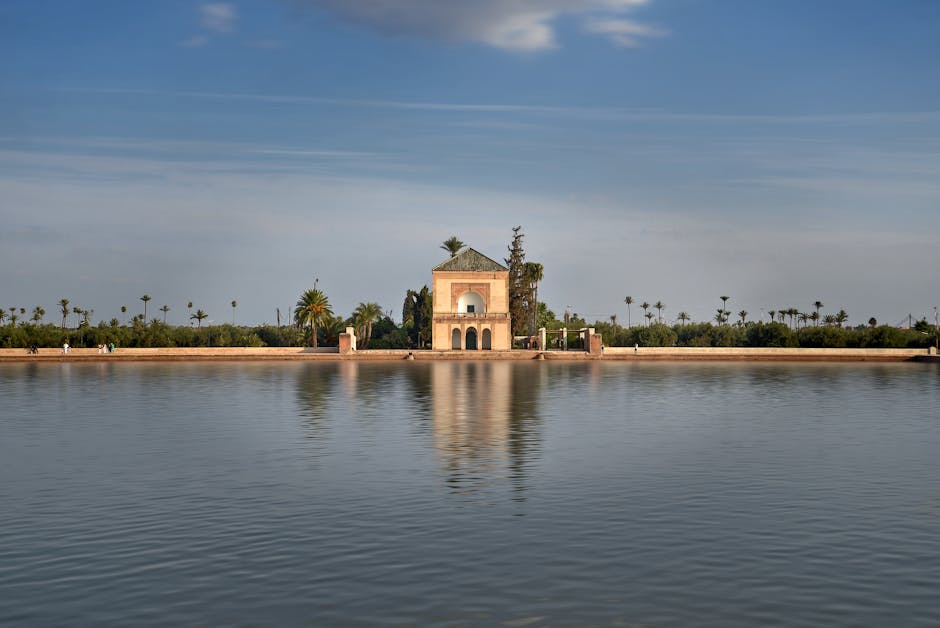
Marrakech offers a variety of neighborhoods, each with its unique character and charm, catering to different budgets and preferences.
Medina (Budget): Staying in the heart of the Medina allows you to immerse yourself in the local culture. Budget accommodations typically start around $30-50/night, with options like hostels or guesthouses offering a cozy experience close to the main attractions.
Gueliz (Mid-Range): This modern district is known for its contemporary vibe, featuring boutiques, cafes, and art galleries. Mid-range hotels and riads can be found in the $70-150/night range, providing a comfortable base with a more relaxed atmosphere.
Palmeraie (Luxury): For those seeking a luxurious escape, the Palmeraie area boasts upscale resorts and villas surrounded by lush palm groves. Luxury accommodations typically start at $200/night and can go well above $500, offering stunning amenities and spectacular views.
Hivernage (Mid-Range to Luxury): This trendy neighborhood is home to chic restaurants, bars, and nightclubs. Here, you can find a mix of mid-range and luxury accommodations, making it a great choice for travelers who want to experience Marrakech’s vibrant nightlife while still being close to the city center.
Top Things to Do in Marrakech#
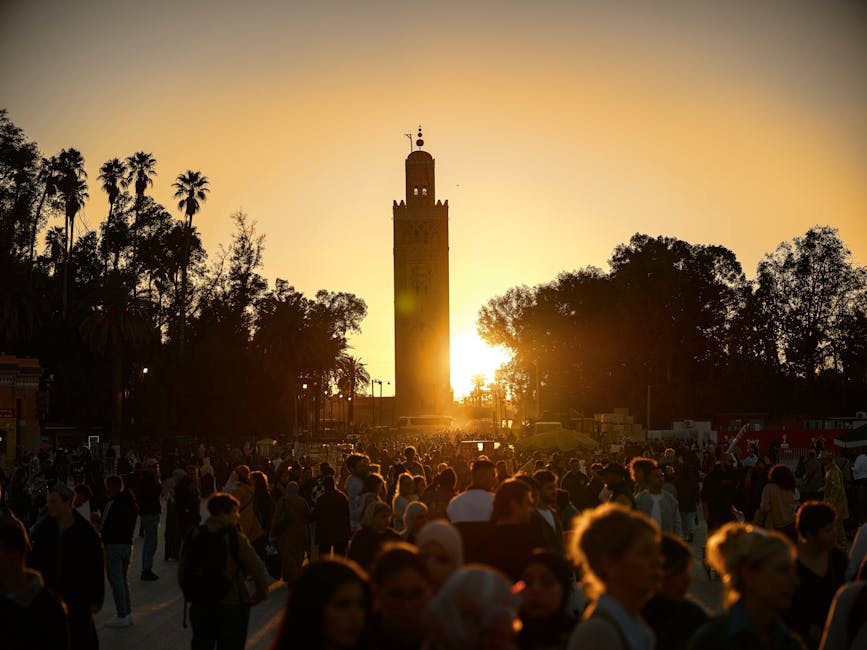
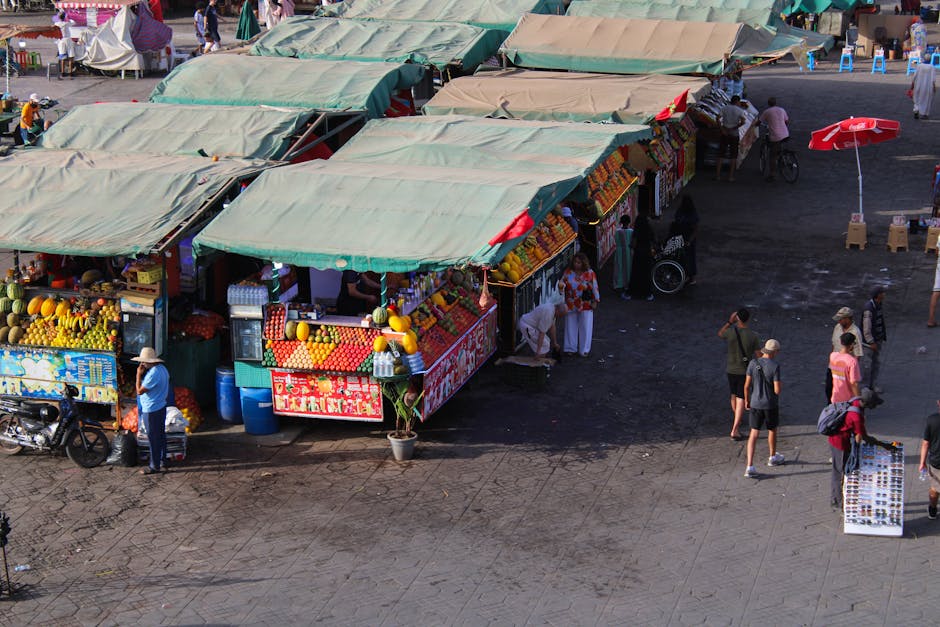
Jemaa el-Fnaa: The heart of Marrakech, this lively square comes alive with street performers, musicians, and food stalls. Visit in the evening to experience the vibrant atmosphere and sample local delicacies.
Koutoubia Mosque: This iconic mosque, with its towering minaret, is a must-see landmark. While non-Muslims cannot enter, the exterior and surrounding gardens offer a peaceful space to relax and take photos.
Bahia Palace: A stunning example of Moroccan architecture, this 19th-century palace features intricate tile work, beautiful gardens, and serene courtyards, providing insight into the opulent lifestyles of Moroccan royalty.
Majorelle Garden: Designed by French painter Jacques Majorelle, this enchanting garden is filled with exotic plants and vibrant blue buildings. It’s a perfect escape from the city’s hustle and bustle.
Saadian Tombs: Discovered in 1917, these beautifully decorated tombs date back to the 16th century and are the final resting place of the Saadian dynasty. The intricate tile work and peaceful surroundings make for a fascinating visit.
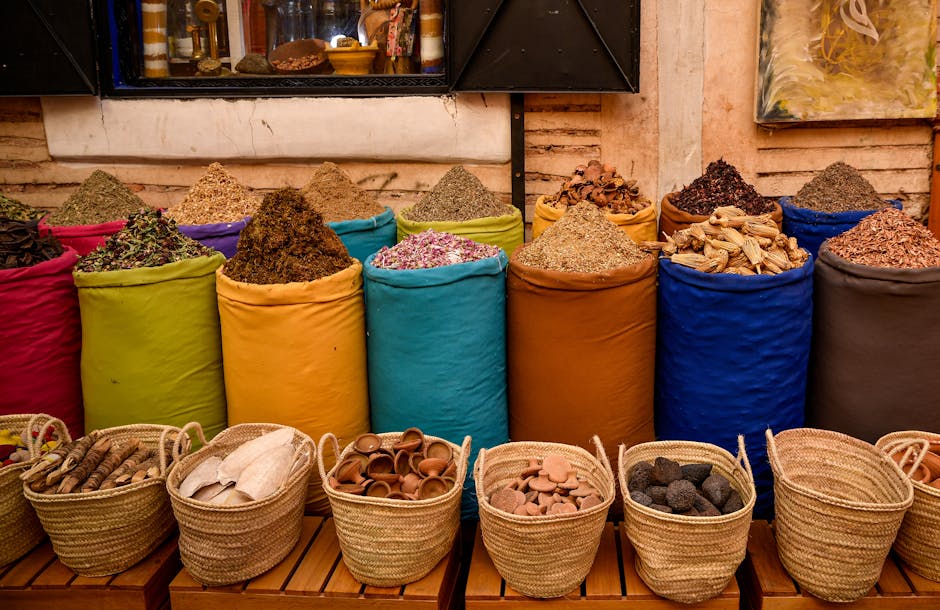
Souks of Marrakech: Get lost in the winding alleys of the souks, where you can find everything from handmade carpets and pottery to spices and jewelry. Don’t forget to practice your bargaining skills!
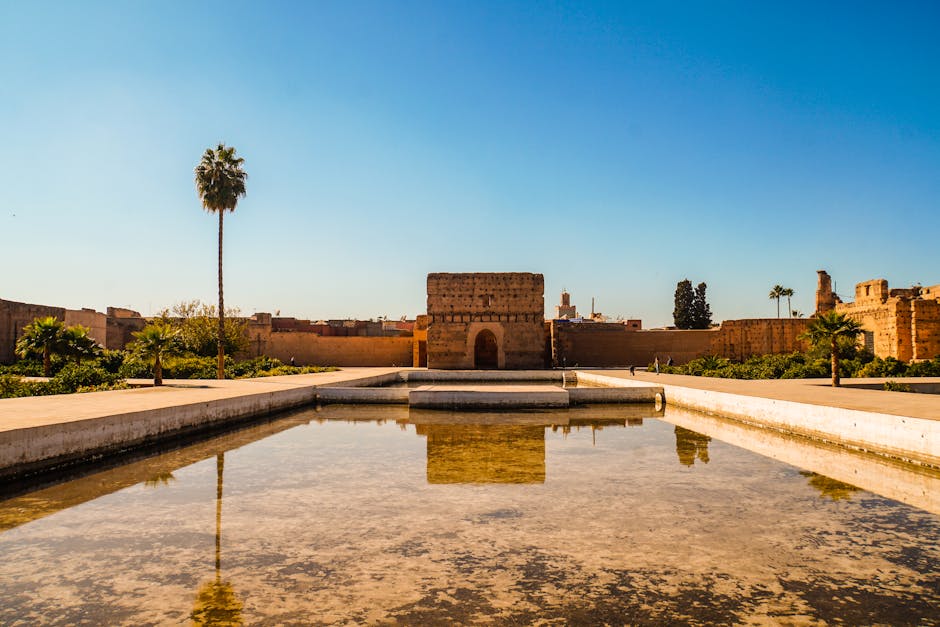
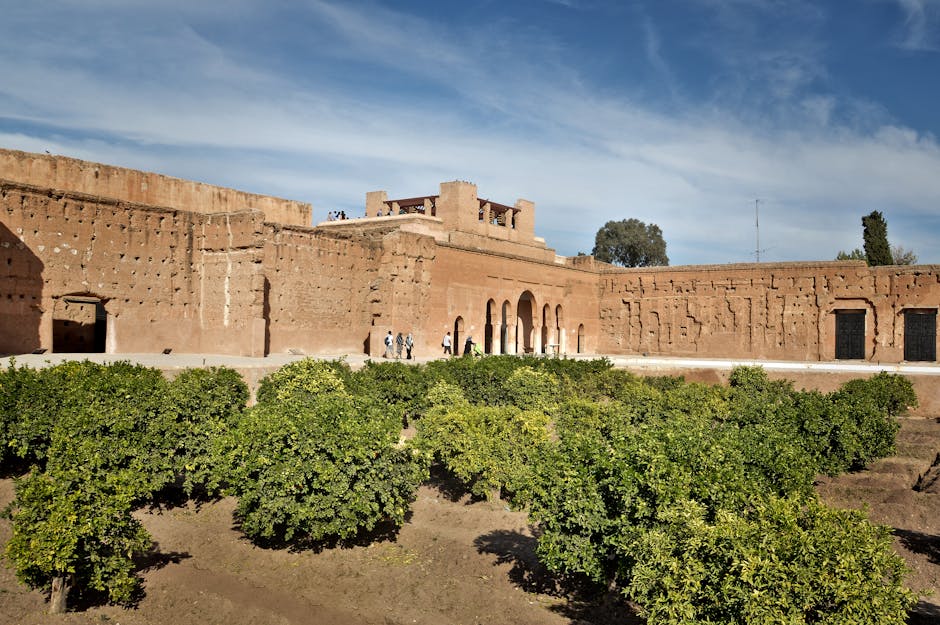
El Badi Palace: Although now in ruins, this grand palace once showcased the wealth of the Saadian kings. Explore its vast courtyards and beautiful gardens, and imagine the splendor it once held.
Cooking Class: Dive into Moroccan cuisine by taking a cooking class where you can learn to prepare traditional dishes like tagine and couscous. This is a fun way to immerse yourself in the local culture.
Atlas Mountains Day Trip: Just a short drive from Marrakech, the Atlas Mountains offer stunning landscapes, traditional Berber villages, and opportunities for hiking and exploring. It’s a perfect escape for nature lovers.
Palais des Congrès: For those interested in modern Moroccan culture, this congress palace often hosts exhibitions, events, and performances. Check the schedule for cultural happenings during your visit.
Food and Dining Guide#
Marrakech is a food lover’s paradise, offering a rich tapestry of flavors influenced by Berber, Arab, and French cuisines. Be sure to try these local dishes:
Tagine: A slow-cooked stew made with various meats, vegetables, and spices, served in a traditional earthenware pot. Each region has its unique take, so sample different versions!
Couscous: Often served on Fridays, this dish is made from steamed semolina and can be accompanied by meat and vegetables. It’s a staple of Moroccan cuisine that shouldn’t be missed.
Pastilla: A savory-sweet pie made from pigeon or chicken, layered with almonds, spices, and wrapped in flaky pastry. It’s a delicious fusion of flavors that reflects Marrakech’s culinary heritage.
Harira: A traditional soup made with tomatoes, lentils, chickpeas, and spices, often enjoyed during Ramadan. It’s hearty and full of flavor, perfect for a light meal.
Mint Tea: Often referred to as “Moroccan whiskey,” this sweet mint tea is a symbol of hospitality. Enjoy it at a local café or in a traditional riad.
Street food is abundant in Marrakech, especially at Jemaa el-Fnaa where you can sample fresh juices, grilled meats, and local pastries. For a more formal dining experience, seek out restaurants that focus on traditional Moroccan cuisine, where you can enjoy a leisurely meal in a beautiful setting.
Getting Around Marrakech#
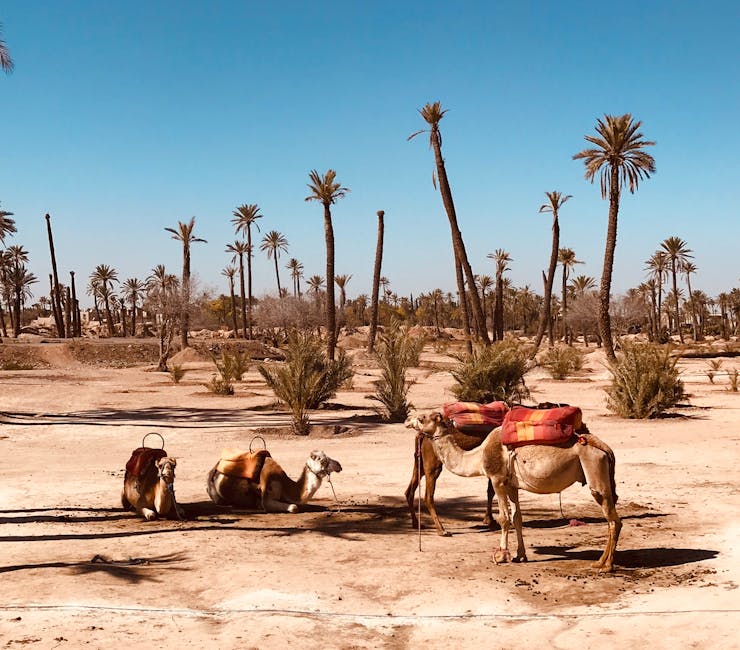
Getting around Marrakech is relatively easy, thanks to its compact size and various transportation options.
Walking: The best way to explore the Medina is on foot. Wander through the narrow alleyways, discover hidden gems, and soak in the vibrant atmosphere. Just be prepared for some uneven surfaces and occasional crowds.
Taxis: Taxis are widely available, but make sure to negotiate the fare before getting in, as most drivers do not use meters. For longer distances, consider using ride-sharing apps if available.
Public Transit: Marrakech has a limited bus system, but it can be a convenient way to reach certain areas. Look for the bus routes that connect the Medina with the newer parts of the city.
Rental Cars: While renting a car is an option, navigating the narrow streets of the Medina can be challenging. It’s generally recommended to rely on taxis or walking for local travel, reserving car rentals for trips outside the city, such as to the Atlas Mountains.
Budget Breakdown#
Your daily budget in Marrakech can vary significantly based on your travel style. Here’s a general breakdown:
Budget Travelers: Expect to spend around $30-60 per day. This includes staying in budget accommodations, eating street food, and using public transport.
Mid-Range Travelers: A budget of $70-150 per day will allow for comfortable accommodations, dining in local restaurants, and participating in a few organized activities or tours.
Luxury Travelers: For a luxurious experience, plan to spend $200 and up per day. This includes upscale accommodations, fine dining, private tours, and transportation.
Keep in mind that prices can fluctuate based on the season, so it’s advisable to plan accordingly.
Travel Tips for Marrakech#
Dress Modestly: While Marrakech is relatively liberal compared to other Moroccan cities, it’s still respectful to dress modestly. Loose-fitting clothing is recommended, especially when visiting religious sites.
Bargaining is Expected: In the souks, haggling is part of the shopping experience. Start by offering half the asking price and negotiate from there.
Learn Basic Arabic Phrases: While many people in tourist areas speak French or English, learning a few Arabic phrases can enhance your experience and show respect for the local culture.
Stay Hydrated: The Moroccan sun can be intense, especially in summer. Always carry water with you and drink plenty to stay hydrated.
Be Aware of Scams: While most people are friendly, be cautious of overly eager guides or individuals offering unsolicited help. Always agree on prices beforehand to avoid misunderstandings.
SIM Cards: If you need internet access, consider purchasing a local SIM card for your phone. This can be done at the airport or in local shops, providing you with data for navigation and communication.
Tipping: Tipping is customary in Morocco. Leave a small tip for service staff, guides, and taxi drivers, usually around 10-15% of the bill.
Marrakech is a city that captures the essence of Morocco, offering a rich tapestry of experiences that will leave you enchanted. From its bustling markets to serene gardens, this vibrant destination is perfect for any traveler looking to immerse themselves in a unique cultural adventure. If you’re also considering a trip to Fez, Morocco or perhaps venturing further to Zanzibar, Tanzania, check out our guides for more travel tips and insights. Happy travels!
📌 Disclaimer
Prices, schedules, tour details, flight routes, visa requirements, and all other information on this page are based on data at the time of writing. Fares, availability, and policies may change. Please verify current details on the official website before booking.