Why Visit Lisbon?#
Lisbon, the capital of Portugal, is a city that effortlessly blends traditional charm with contemporary flair. Known for its stunning architecture, vibrant neighborhoods, and rich history, Lisbon offers a unique experience that caters to every type of traveler. The city is perched on seven hills, providing breathtaking views of the Tagus River and the Atlantic Ocean. Its cobblestone streets, adorned with colorful tiles and picturesque street art, invite you to explore every corner.
What truly sets Lisbon apart is its warm, welcoming atmosphere. The locals, known as “Lisboetas,” are friendly and eager to share their culture with visitors. Whether you’re sipping a coffee in a quaint café or enjoying fado music in a local tavern, you’ll feel the pulse of the city and its deep-rooted traditions. Plus, Lisbon is a gateway to stunning coastal destinations and historical sites, making it an excellent base for further exploration in Portugal. If you’re also considering a trip to Cinque Terre, Italy, check out our guide for more travel inspiration.
Best Time to Visit Lisbon#

Lisbon enjoys a Mediterranean climate, making it a year-round destination. However, the best time to visit depends on your preferences for weather, crowds, and pricing.
Spring (March to May): This is one of the most pleasant times to visit, with mild temperatures averaging between 60°F to 75°F. The city starts to bloom with flowers, and tourist crowds are manageable. Prices for accommodation and activities begin to rise as the season progresses.
Summer (June to August): Summer is peak tourist season in Lisbon, with temperatures often exceeding 85°F. The city buzzes with festivals and events, but expect larger crowds and higher prices. If you love a vibrant atmosphere, this is the time for you, but be prepared for long lines at popular attractions.
Fall (September to November): Early fall is another fantastic time to visit. The weather remains warm, averaging between 70°F to 80°F, and crowds begin to thin out after the summer rush. Prices for accommodations start to drop, making it a budget-friendly choice.
Winter (December to February): Winters are mild, with temperatures ranging from 45°F to 60°F. While this is the least crowded time to visit, some attractions may have reduced hours. However, this is when you can enjoy the festive spirit of Lisbon, with holiday markets and lights brightening the city.
Where to Stay in Lisbon#

Choosing the right neighborhood can greatly enhance your experience in Lisbon. Here are some recommendations across different budget tiers:
Budget: Consider staying in the Alfama or Bairro Alto neighborhoods. These areas offer a range of hostels and budget hotels, allowing you to immerse yourself in local culture. Alfama is known for its narrow streets and historic charm, while Bairro Alto comes alive at night with bars and nightlife.
Mid-Range: The Chiado and Principe Real neighborhoods are perfect for mid-range travelers. Chiado is a lively area filled with shops, cafes, and cultural attractions, while Principe Real offers a more laid-back vibe with beautiful gardens and trendy boutiques. Both areas have a variety of guesthouses and boutique hotels.
Luxury: For a touch of luxury, consider staying in the Avenida da Liberdade area. This boulevard is lined with high-end shops and upscale hotels, making it ideal for those seeking comfort and style. The nearby area of Estoril is also a great option, known for its stunning coastline and luxury resorts.
Top Things to Do in Lisbon#
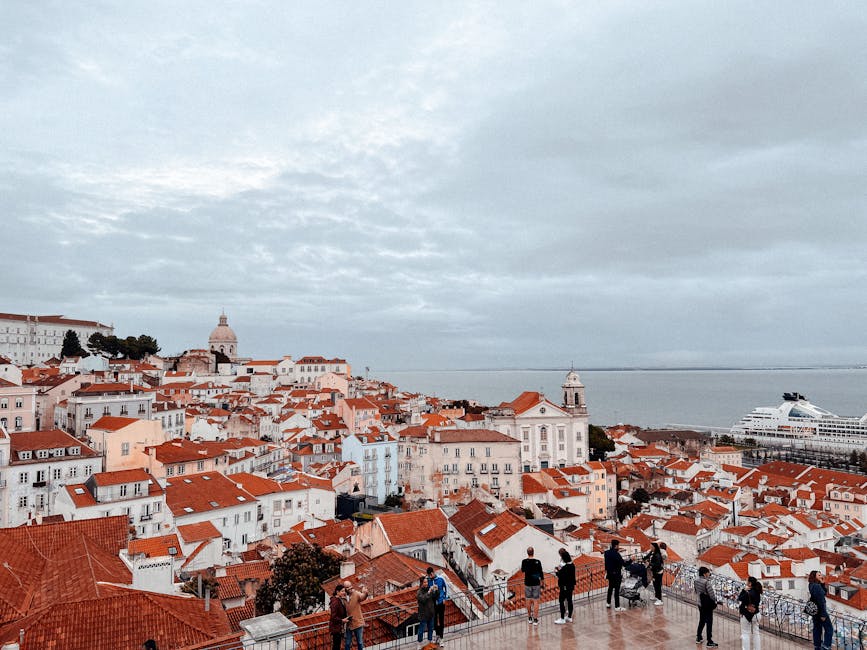
Lisbon is packed with attractions that cater to all interests. Here are some must-visit spots:
Belém Tower: This UNESCO World Heritage site is an iconic symbol of Lisbon. Built in the early 16th century, the tower offers stunning views of the Tagus River and is a perfect spot for photos.
Jerónimos Monastery: Another UNESCO site, this stunning monastery showcases Manueline architecture. Be sure to explore its intricate cloisters and the church where Vasco da Gama is buried.
São Jorge Castle: Perched atop one of Lisbon’s hills, this castle provides panoramic views of the city and the river. Wander through its ancient walls and enjoy the historical exhibits.
Alfama District: The oldest neighborhood in Lisbon is a maze of narrow streets and alleyways. Explore its charming squares, local shops, and enjoy a meal at a traditional taverna while listening to fado music.
LX Factory: A trendy cultural hub located in a former industrial complex, LX Factory is filled with shops, restaurants, and art spaces. It’s a great place to experience Lisbon’s modern creative scene.
Time Out Market: Food lovers shouldn’t miss this gourmet food hall, where you can sample a variety of dishes from local chefs. It’s a perfect spot for lunch or a casual dinner.
Tram 28: Hop on this historic tram for a scenic ride through the city’s most iconic neighborhoods. It’s a fun and affordable way to see the sights, though it can get crowded.
Miradouros (Viewpoints): Lisbon is famous for its stunning viewpoints, or miradouros. Head to Miradouro da Senhora do Monte or Miradouro de Santa Catarina for breathtaking vistas of the city.
Museu Nacional do Azulejo: This museum is dedicated to the history of Portuguese tiles. It’s fascinating to see how this art form has evolved over the centuries, and the building itself is worth a visit.
Sintra Day Trip: Just a short train ride from Lisbon, Sintra is known for its fairy-tale palaces and lush gardens. It’s a must-visit for those looking to explore beyond the city.
Food and Dining Guide#
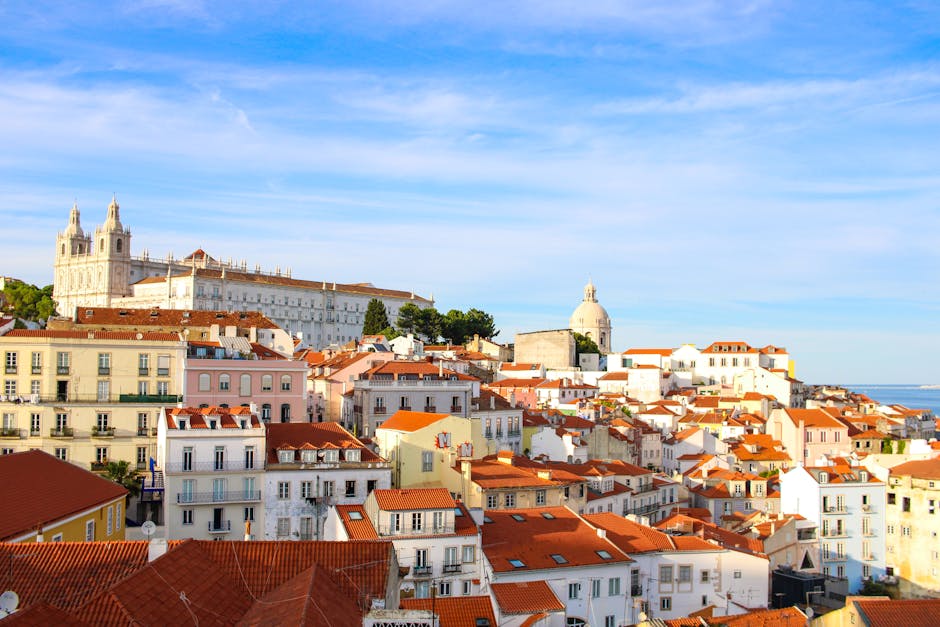
Lisbon is a culinary delight, offering a mix of traditional Portuguese dishes and international flavors. Here are some local cuisine highlights and must-try dishes:
Bacalhau à Brás: A beloved Portuguese dish made from shredded cod, onions, and potatoes, all bound together with scrambled eggs. It’s a must-try when in Lisbon.
Pastéis de Nata: These iconic custard tarts are a sweet treat you cannot miss. Enjoy them fresh from a local bakery, preferably with a sprinkle of cinnamon.
Sardinhas Assadas: Grilled sardines are a summer staple in Lisbon, often enjoyed during the Festas de Santo António in June. They are typically served with bread and salad.
Caldo Verde: A traditional soup made with kale, potatoes, and chorizo, caldo verde is a comforting dish often enjoyed at family gatherings.
Street Food: Don’t overlook Lisbon’s vibrant street food scene. Try a bifana (pork sandwich) from a local vendor or sample some petiscos (Portuguese tapas) at a nearby market.
For dining, you can choose from casual eateries to upscale restaurants. Street food is an affordable way to experience local flavors, while dining in a restaurant offers a more comprehensive taste of Portuguese cuisine.
Getting Around Lisbon#

Getting around Lisbon is relatively easy, thanks to its efficient public transportation system:
Metro: The Lisbon Metro is clean, safe, and connects major neighborhoods and attractions. It’s an affordable way to navigate the city.
Trams and Buses: The iconic trams are not only a tourist attraction but also a practical way to get around. Bus services complement the metro and tram system, expanding your reach.
Walking: Lisbon is a walkable city, especially in neighborhoods like Alfama and Bairro Alto. Prepare for some steep hills, but the views are worth it!
Taxis and Rideshares: Taxis are readily available, and rideshare services operate in the city. They can be convenient for late-night returns or when you’re carrying heavy bags.
Rental Cars: While you can rent a car, it’s generally not necessary for exploring Lisbon itself. However, if you plan to visit nearby towns like Sintra or Cascais, a car can be beneficial.
Budget Breakdown#
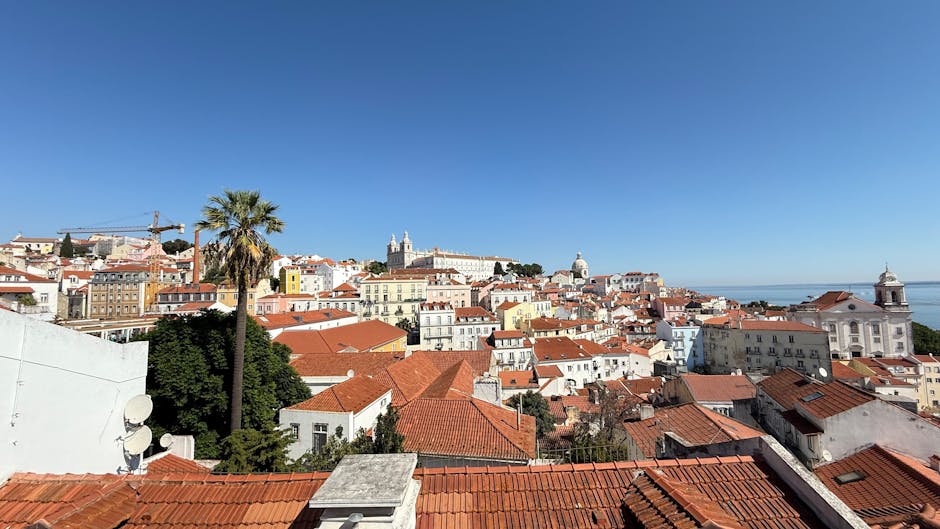
Understanding your daily budget can help you plan your trip effectively. Here’s a rough estimate for travelers in different categories:
Budget Travelers: Expect to spend $60-100 per day. This includes accommodation in hostels or budget hotels ($30-50/night), street food or casual dining ($10-20/day), public transportation ($5-10), and entrance fees to attractions ($10-20).
Mid-Range Travelers: A daily budget of $150-250 is reasonable. This includes accommodation in guesthouses or boutique hotels ($80-150/night), dining at mid-range restaurants ($30-50/day), public transport or occasional taxis ($10-15), and activities ($20-50).
Luxury Travelers: For a more upscale experience, budget $300-600 per day. This includes luxury accommodations ($200-400/night), fine dining ($50-100/day), private transport or taxis ($20-30), and high-end activities or tours ($50-100).
Travel Tips for Lisbon#
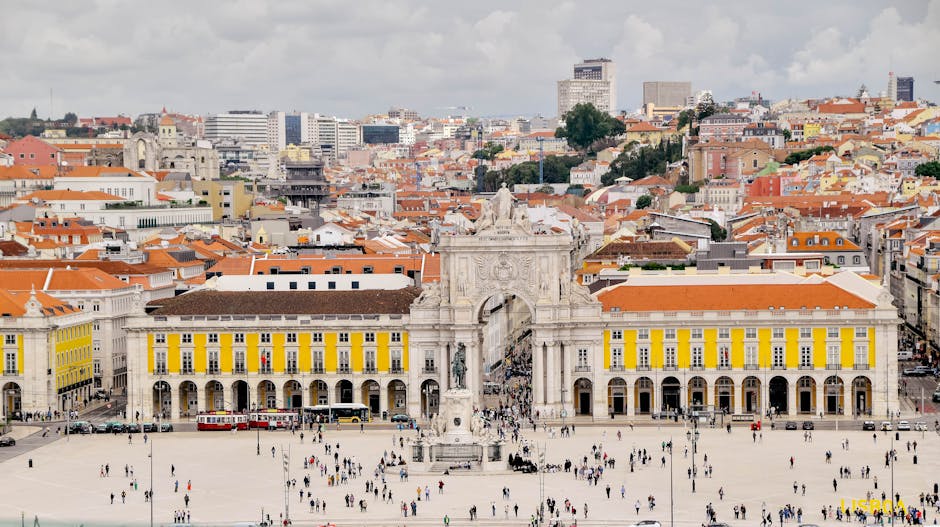
Safety: Lisbon is generally safe, but like any major city, be cautious of pickpockets, especially in crowded areas and on public transport.
Tipping: Tipping is appreciated but not mandatory. A small tip of 5-10% in restaurants is common if service is good.
Language: While many locals speak English, learning a few basic Portuguese phrases can go a long way in enhancing your experience.
SIM Cards: If you need mobile data, consider purchasing a local SIM card at the airport or in the city for affordable internet access.
Scams to Avoid: Be wary of people asking for money on the streets or overly friendly individuals offering unsolicited assistance. Always keep your belongings secure.
Cultural Etiquette: When visiting churches or religious sites, dress modestly and be respectful of local customs.
Local Events: Check local calendars for festivals and events during your visit. Participating in these can provide a deeper understanding of Lisbon’s culture.
With its rich history, vibrant culture, and delicious cuisine, Lisbon truly offers something for everyone. Whether you’re wandering through its historic neighborhoods or enjoying a sunset by the river, you’re sure to fall in love with this enchanting city.
📌 Disclaimer
Prices, schedules, tour details, flight routes, visa requirements, and all other information on this page are based on data at the time of writing. Fares, availability, and policies may change. Please verify current details on the official website before booking.