Why Visit Kyoto?#
Kyoto, the ancient capital of Japan, is a mesmerizing blend of tradition and modernity. Renowned for its stunning temples, shrines, and gardens, the city serves as a living museum, showcasing the rich cultural heritage that has shaped Japan over centuries. The historic districts, with their wooden machiya houses and narrow streets, evoke a sense of nostalgia, making you feel as though you’ve stepped back in time. Whether you’re exploring the iconic Kinkaku-ji (Golden Pavilion) or savoring a tea ceremony in a tranquil setting, Kyoto offers an authentic experience that captivates the heart.
Beyond its breathtaking architecture, Kyoto is also a hub for arts and crafts, with a long-standing tradition of kimono making, pottery, and calligraphy. The city is home to numerous festivals throughout the year, celebrating everything from cherry blossoms to Gion Matsuri, one of Japan’s most famous festivals. For American travelers seeking an immersive cultural experience, Kyoto stands out as a destination where you can experience the essence of Japan.
Best Time to Visit Kyoto#
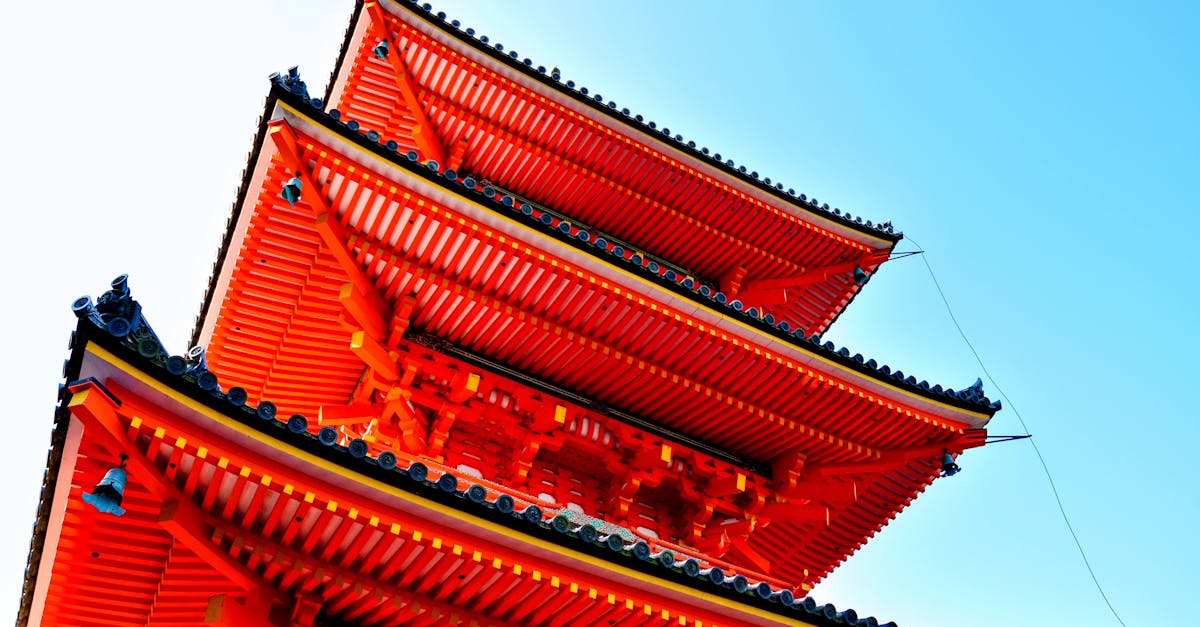
Kyoto is beautiful year-round, but the best times to visit are during spring (March to May) and autumn (September to November). In spring, cherry blossoms bloom, creating picturesque landscapes that attract tourists from around the world. The weather is generally mild, with temperatures ranging from the mid-50s to mid-70s Fahrenheit. However, be prepared for larger crowds during peak cherry blossom season in late March to early April.
Autumn, on the other hand, offers a stunning display of fall foliage, with vibrant reds and oranges adorning the city’s temples and parks. Temperatures during this time are comfortable, typically ranging from the low 50s to mid-70s. While summer (June to August) can be hot and humid, it also features various festivals. Winter (December to February) is less crowded, and if you’re lucky, you might experience Kyoto covered in a blanket of snow, especially around the temples.
Where to Stay in Kyoto#
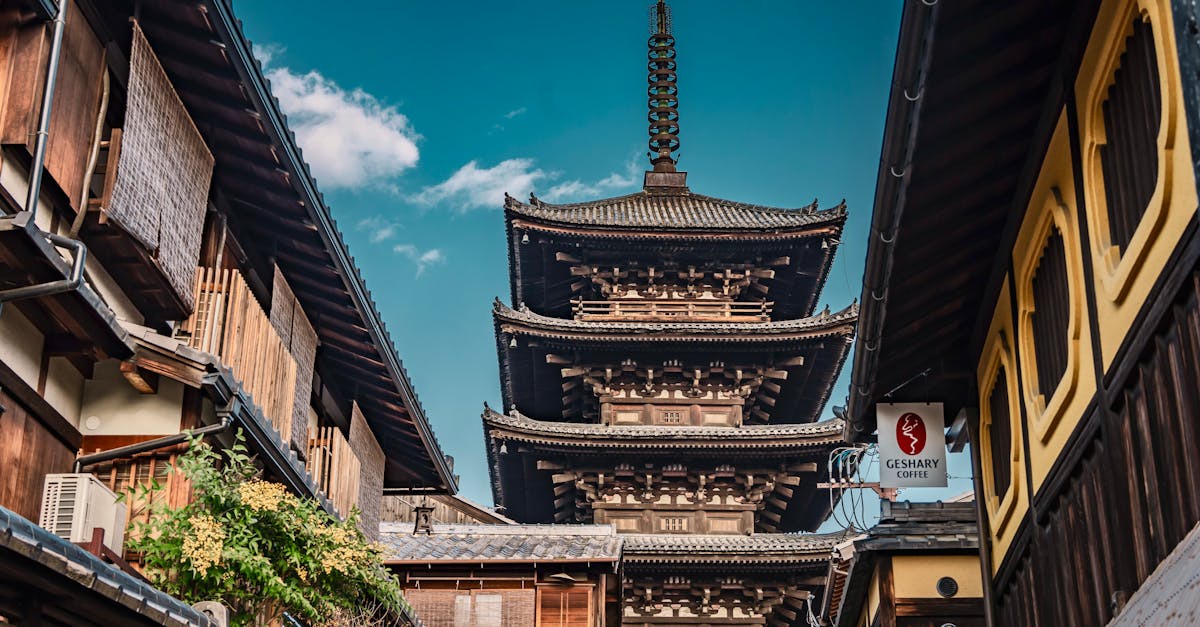
Choosing the right neighborhood in Kyoto can enhance your travel experience significantly. Here are some recommendations across different budget tiers:
Budget: The Sanjo and Gion districts are great for budget travelers. These areas offer affordable guesthouses and hostels, allowing you to stay close to many attractions without breaking the bank.
Mid-Range: The Kyoto Station area is ideal for mid-range accommodation. Staying here provides easy access to transportation, making it simple to explore the city and beyond. The area offers a mix of traditional ryokans and modern hotels.
Luxury: For those seeking luxury, consider the Arashiyama area. This picturesque district not only boasts upscale hotels but also provides stunning views of the bamboo groves and mountains. It’s perfect for travelers looking for a serene escape.
Local Experience: If you want a taste of local life, the Northern Higashiyama region is a charming option. Stay in a traditional guesthouse and enjoy the slower pace of life while being close to several historical sites.
Top Things to Do in Kyoto#
Kinkaku-ji (Golden Pavilion): This zen temple, covered in gold leaf, is one of Kyoto’s most iconic landmarks. Surrounded by beautiful gardens and a reflective pond, it’s a must-visit for stunning photographs.
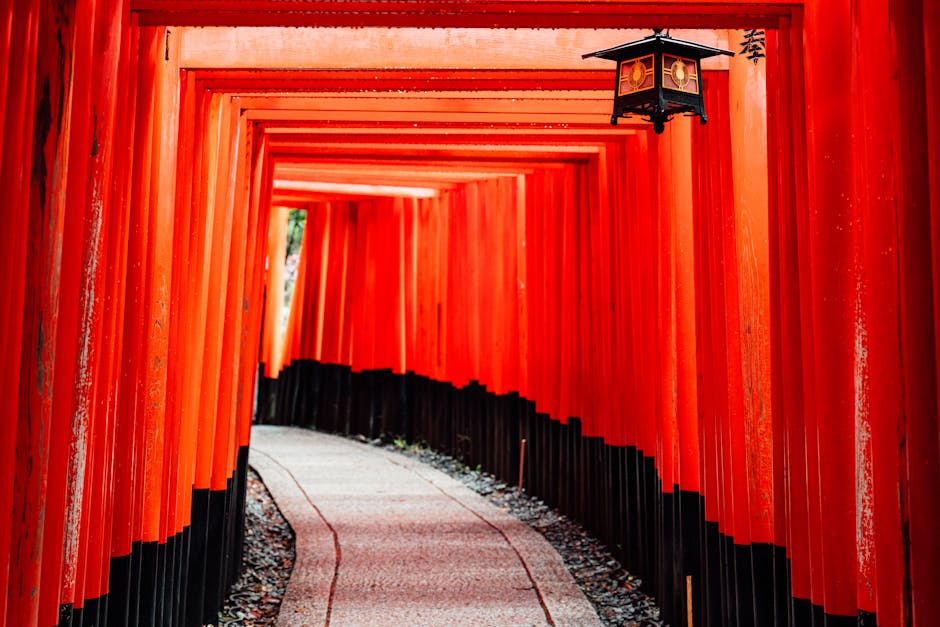
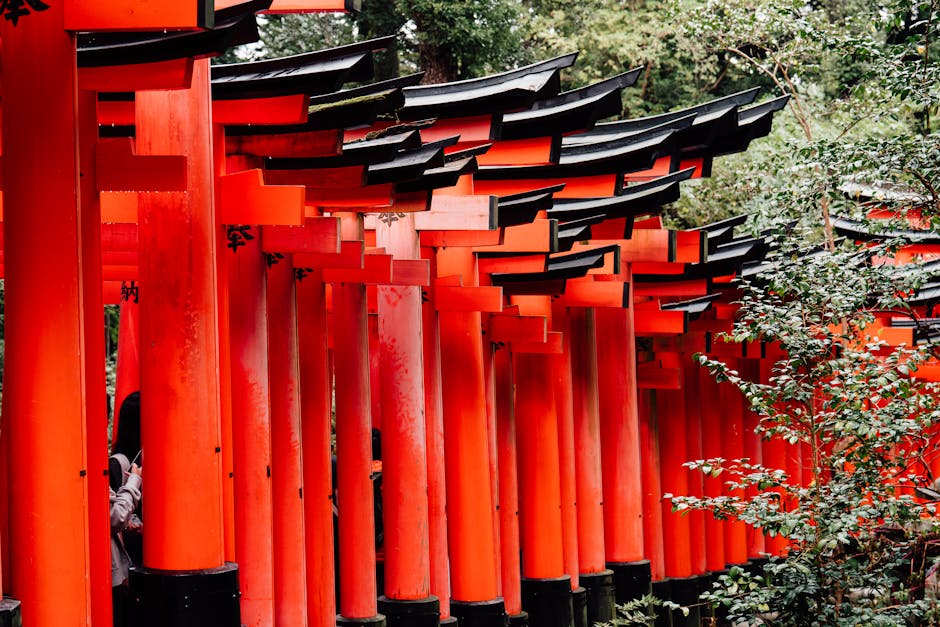
Fushimi Inari Taisha: Famous for its thousands of vermillion torii gates, this shrine dedicated to the Shinto god of rice is a fantastic hiking destination. The trails lead up the sacred Mount Inari, offering breathtaking views of the city.
Arashiyama Bamboo Grove: Walk through towering bamboo stalks in this enchanting grove. The serene atmosphere makes it a perfect spot for a peaceful stroll and great photos.
Kiyomizu-dera Temple: This historic temple offers panoramic views of Kyoto from its wooden stage, especially stunning during cherry blossom and autumn foliage seasons.
Nijo Castle: A UNESCO World Heritage site, this castle features beautiful gardens and ornate interiors, showcasing the power of the shogunate during the Edo period.
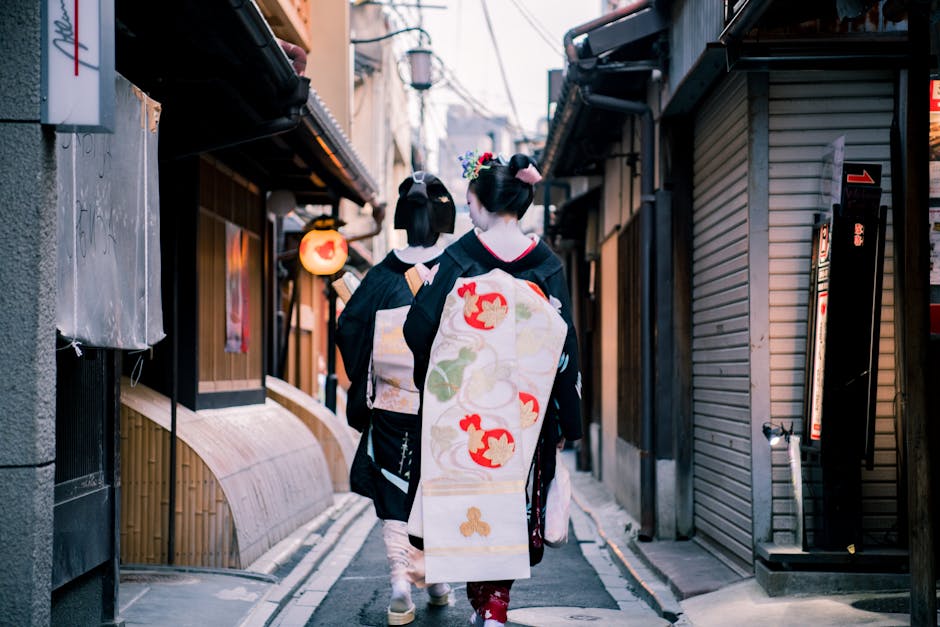
Gion District: Explore this famous geisha district, filled with traditional teahouses and shops. If you’re lucky, you might catch a glimpse of a geisha or maiko on their way to an appointment.
Philosopher’s Path: A scenic walk along a cherry-tree-lined canal, this path is perfect for a leisurely stroll, especially during the cherry blossom season.
Nanzen-ji Temple: One of the most important Zen temples in Japan, it features stunning gardens and a beautiful aqueduct. The tranquility of this site offers a respite from the bustling city.
Kyoto Imperial Palace: Once the residence of the Emperor of Japan, this palace and its surrounding gardens are open to the public and provide insight into Japan’s imperial history.
Tea Ceremony Experience: Engage in a traditional Japanese tea ceremony, where you can learn about the art of tea preparation and the significance behind this time-honored ritual.
Food and Dining Guide#
Kyoto is known for its exquisite cuisine, deeply rooted in tradition. Here are some local highlights and must-try dishes:
Kaiseki: This multi-course dining experience showcases seasonal ingredients and is artfully presented. It’s a true reflection of Kyoto’s culinary culture.
Yudofu: A simple but delicious dish made of tofu, often enjoyed in hot pots. It’s especially popular in the colder months.
Yudofu: A simple but delicious dish made of tofu, often enjoyed in hot pots. It’s especially popular in the colder months.
Matcha Sweets: Kyoto is famous for its matcha (green tea) production. Try matcha-flavored desserts like ice cream, cakes, and even traditional wagashi (Japanese sweets).
Street Food: Don’t miss the chance to sample street food at Nishiki Market, where you can find everything from grilled skewers to sweet mochi.
Obanzai: This traditional home-cooked meal consists of various small dishes, showcasing local ingredients and flavors. It’s a great way to experience authentic Kyoto cuisine.
When dining, consider trying both street food stalls for a quick bite and local restaurants for a more formal dining experience. Each offers a unique taste of Kyoto’s culinary scene.
Getting Around Kyoto#
Navigating Kyoto is relatively easy, thanks to its efficient public transportation system. The city has an extensive bus network that connects most attractions, and buses are often the best way to reach places like Kinkaku-ji and Arashiyama. A prepaid IC card can make traveling on public transit more convenient and cost-effective.
The subway is another reliable option, especially for reaching Kyoto Station and the downtown area. Taxis are widely available but can be expensive; they’re best for late-night travel or when public transport isn’t convenient.
Walking is also a delightful way to explore the city, especially in historic districts like Gion and Higashiyama. Renting a bicycle is another popular option, giving you the freedom to explore at your own pace while enjoying the sights.
Budget Breakdown#
Understanding your budget is essential for a successful trip to Kyoto. Here’s a rough daily budget estimate for different types of travelers:
Budget Travelers: Expect to spend around $60-80 per day. This includes staying in hostels or guesthouses ($30-50), eating at local eateries or street food stalls ($15-25), and using public transport ($5-10). Entrance fees for attractions usually range from $5-10.
Mid-Range Travelers: A daily budget of $120-200 is reasonable. Accommodation in mid-range hotels typically costs $80-120 per night. Meals at casual restaurants might run you $30-50, with transport and activities adding another $10-30.
Luxury Travelers: For a more luxurious experience, budget around $300-500 per day. Upscale accommodations can range from $200-400, while fine dining and experiences may cost upwards of $100. Add in transport and activities, and you’ll find yourself comfortably within this range.
Travel Tips for Kyoto#
Cash is King: While credit cards are becoming more accepted, many places still prefer cash. Make sure to carry yen, especially for small purchases and at local markets.
Etiquette Matters: Be mindful of local customs. For example, it’s customary to bow when greeting someone and to remove your shoes when entering homes or certain temples.
Learn Basic Japanese Phrases: While many people speak some English, knowing a few basic phrases in Japanese can enhance your interactions and show respect for the culture.
SIM Cards and Wi-Fi: Consider renting a portable Wi-Fi device or purchasing a SIM card upon arrival for easy internet access throughout your trip.
Be Prepared for Crowds: Popular attractions can get crowded, especially during peak seasons. Arrive early or visit during off-peak hours to enjoy a more peaceful experience.
Stay Hydrated: Kyoto can be hot and humid in the summer, so make sure to drink plenty of water. Convenience stores are everywhere and offer a variety of beverages.
Avoid Scams: While Japan is generally safe, it’s wise to be cautious of overly friendly strangers offering unsolicited help, as they may be trying to sell you something.
Exploring Kyoto is a journey through time, culture, and culinary delights. With its rich history and stunning scenery, it’s undoubtedly a destination worth visiting for any American traveler looking to immerse themselves in Japan’s vibrant heritage. If you’re also considering a trip to Kuala Lumpur, Malaysia or Kathmandu, Nepal, check out our guides for more travel insights.
📌 Disclaimer
Prices, schedules, tour details, flight routes, visa requirements, and all other information on this page are based on data at the time of writing. Fares, availability, and policies may change. Please verify current details on the official website before booking.