Photo by Zeynep Erten on Pexels
Why Visit Berlin?#
Berlin is a city that pulsates with creativity, history, and an energy that captivates travelers from all over the globe. Once divided by a wall that symbolized the Cold War, today, Berlin stands as a testament to resilience and transformation. Its vibrant neighborhoods, rich cultural scene, and eclectic mix of historical landmarks make it a must-visit destination for anyone looking to experience Europe at its finest. From the iconic Brandenburg Gate to the poignant remnants of the Berlin Wall, the city offers a unique blend of the past and present, where art, music, and innovation thrive.
One of the most appealing aspects of Berlin is its accessibility and affordability compared to other major European cities. The diverse arts scene, with its countless galleries, theaters, and street art, invites visitors to explore the unconventional and the avant-garde. Whether you’re a history buff, a foodie, or someone who loves nightlife, Berlin has something special for everyone. The city’s open-minded atmosphere encourages exploration and discovery, making it an ideal spot for American travelers seeking a taste of European culture.
Best Time to Visit Berlin#
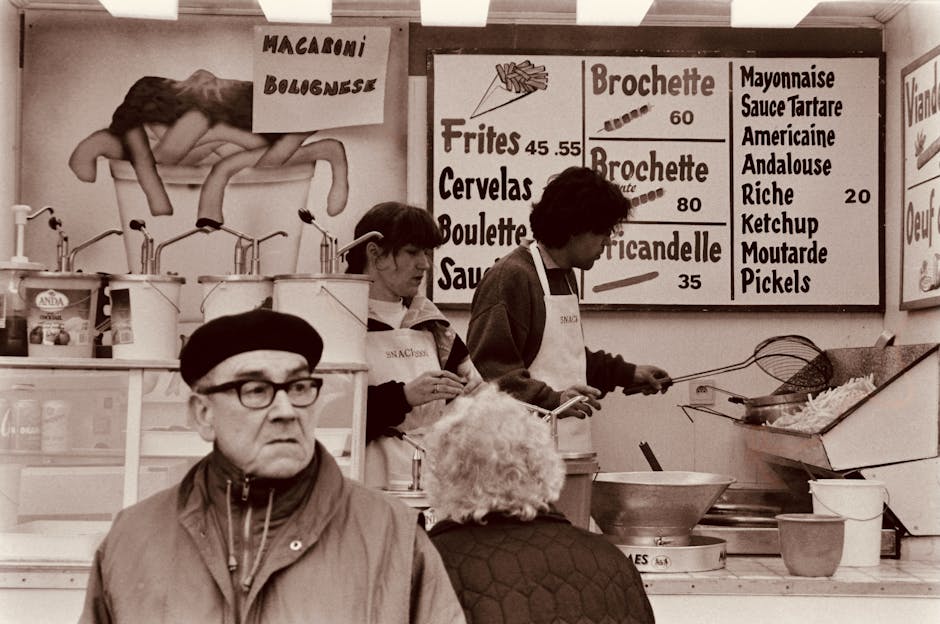
Berlin experiences a temperate seasonal climate, which means you’ll find distinct differences between summer and winter. The best time to visit is generally from late spring to early fall, specifically May through September. During these months, the weather is pleasantly warm, with average temperatures ranging from the mid-60s to mid-70s Fahrenheit (about 18-24°C). This is also the peak tourist season, so expect larger crowds and higher prices, especially in July and August.
If you prefer fewer crowds and lower prices, consider visiting during the shoulder seasons of late March to April and late September to October. The weather can be a bit unpredictable during these months, with temperatures averaging from the mid-40s to mid-60s Fahrenheit (around 7-20°C), but you’ll find the city less congested and accommodations more affordable. Winter (November to February) can be quite cold, with temperatures often dropping below freezing. However, visiting during this time allows you to experience Berlin’s enchanting Christmas markets and festive atmosphere, making it a unique time to explore.
Where to Stay in Berlin#
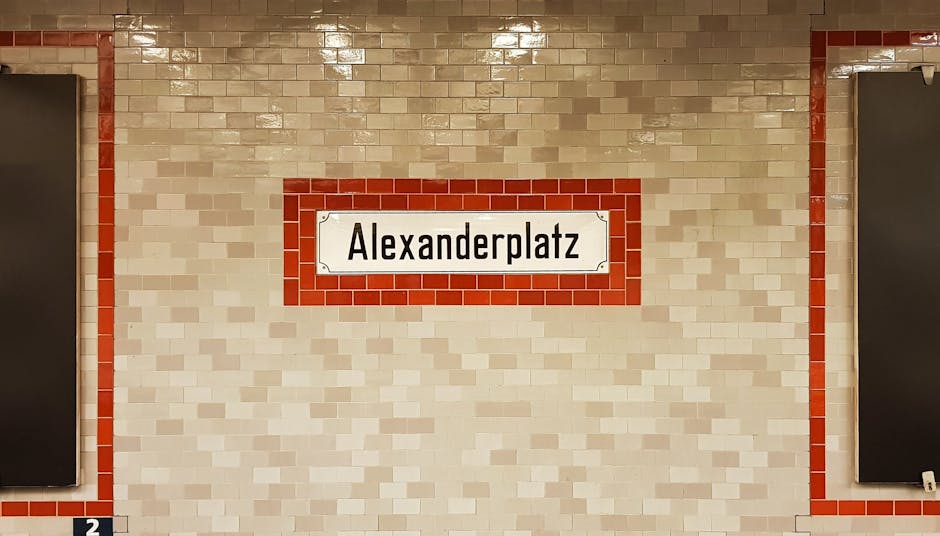
Choosing the right neighborhood to stay in Berlin can greatly enhance your travel experience. Here are some recommendations across different budget tiers:
Budget: Consider staying in districts like Friedrichshain or Kreuzberg. Both areas are known for their lively atmosphere, street art, and affordable hostels and guesthouses. You’ll find plenty of cafes and bars to enjoy at reasonable prices.
Mid-Range: Prenzlauer Berg is a charming neighborhood that offers a mix of residential feel and vibrant culture. It’s filled with boutique hotels and guesthouses, along with beautiful parks and trendy restaurants. The area is ideal for those looking to explore local life while still being close to major attractions.
Luxury: For a more upscale experience, look at areas like Mitte or Charlottenburg. Mitte is the heart of Berlin, featuring high-end hotels and proximity to major landmarks like Museum Island. Charlottenburg is known for its elegant architecture and the famous Kurfürstendamm shopping street, making it perfect for luxury seekers.
Hipster Vibe: If you’re looking for something a bit off the beaten path, Neukölln offers a unique blend of cultures, trendy cafes, and a young, artistic crowd. This neighborhood is gaining popularity and is a great place to experience Berlin’s alternative scene.
Top Things to Do in Berlin#
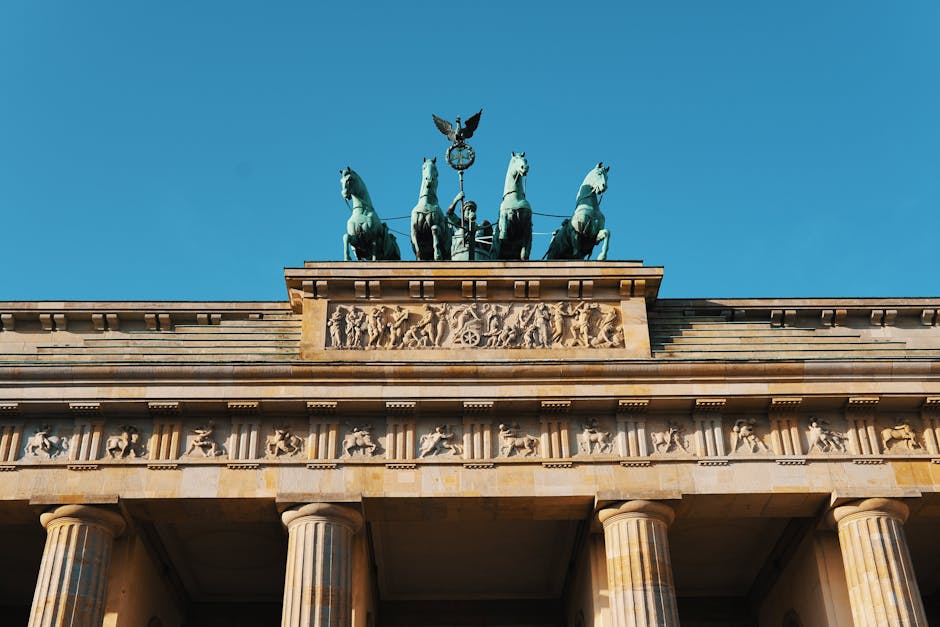
Brandenburg Gate: This iconic symbol of Berlin is a must-visit. The neoclassical gate has stood through history as a monument of peace and unity.
Berlin Wall Memorial: Explore the history of the Berlin Wall at this memorial, which offers an open-air exhibition and a preserved section of the wall that tells the story of the city’s division.
Museum Island: A UNESCO World Heritage site, this complex houses five world-renowned museums. Spend a day exploring art and artifacts from ancient civilizations to the 19th century.
East Side Gallery: This open-air gallery features murals painted on a remaining section of the Berlin Wall. It’s a vibrant display of art that reflects freedom and change.
Reichstag Building: The seat of the German parliament offers free entry, and visitors can climb to the glass dome for stunning panoramic views of the city.
Checkpoint Charlie: Once a border crossing point between East and West Berlin, this historical site is now a museum that provides insights into Cold War history.
Tempelhofer Feld: This former airport turned public park is a favorite among locals. Rent a bike or simply stroll through the vast open spaces, enjoying a picnic or kite flying.
Kreuzberg’s Street Food Scene: Dive into the diverse culinary offerings at Markthalle Neun, where you can sample local and international street food from various vendors.
Charlottenburg Palace: Explore the opulent baroque palace and its beautiful gardens, offering a glimpse into the royal history of Berlin.
Berlin’s Nightlife: Experience the vibrant nightlife that Berlin is famous for. From techno clubs to cozy bars, there’s something to suit every taste.
Food and Dining Guide#
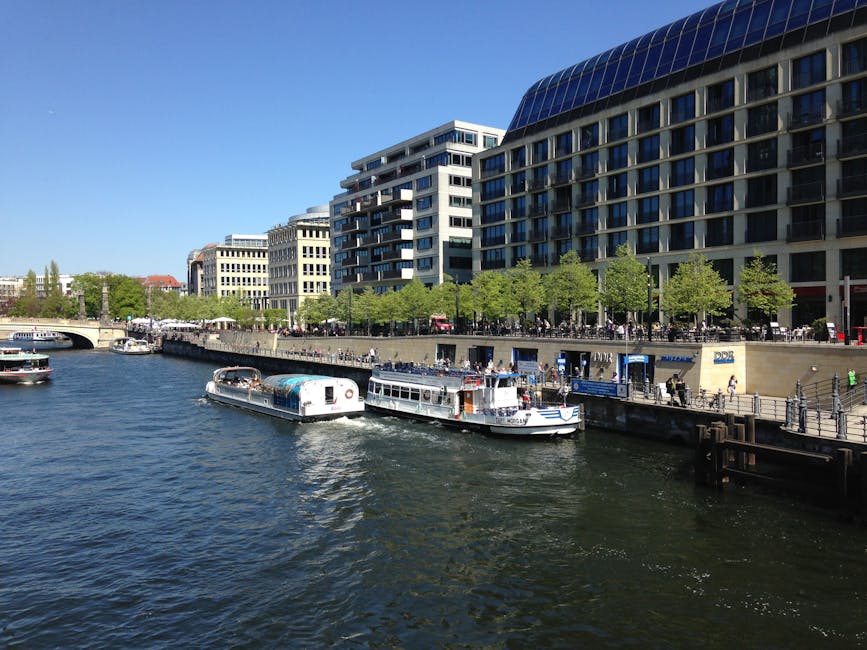
Berlin’s culinary scene is a melting pot of flavors, reflecting the city’s diverse population. Here are some local cuisine highlights and must-try dishes:
Currywurst: This beloved street food consists of a steamed, then fried sausage served with a tangy tomato-based curry sauce and fries. You can find it at many street kiosks throughout the city.
Döner Kebab: A popular dish among locals, this Turkish-inspired sandwich features meat cooked on a vertical rotisserie, served in pita bread with fresh vegetables and sauces. Perfect for a quick bite!
Schnitzel: This classic German dish is a breaded and fried meat cutlet, typically served with potatoes and salad. It’s a hearty meal that you won’t want to miss.
Berliner Pfannkuchen: Don’t leave without trying this sweet treat! These jelly-filled doughnuts are a favorite, especially during the New Year celebrations.
Street Food Markets: Berlin boasts numerous street food markets, like Street Food auf Achse and Bite Club, where you can sample a variety of international dishes in a lively atmosphere.
Dining options range from street food stalls to upscale restaurants, so you can easily find something that fits your budget. For a truly local experience, consider dining at a traditional beer garden, where you can enjoy hearty German dishes alongside a refreshing brew.
Getting Around Berlin#
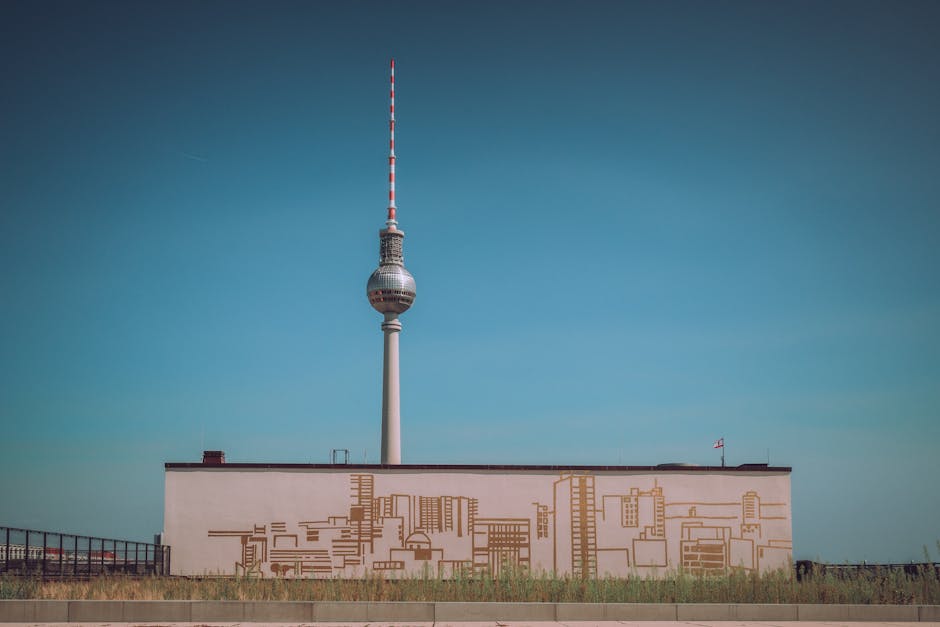
Berlin’s public transit system is one of the most efficient in Europe, making it easy to navigate the city. The U-Bahn (subway) and S-Bahn (commuter train) cover a vast network, allowing you to reach most attractions quickly. A single ticket typically covers a journey across all public transport modes, including buses and trams, making it an economical option.
Taxis are also available, but they can be pricier than public transport. If you prefer walking, Berlin is a very pedestrian-friendly city, especially in areas like Mitte and Kreuzberg, where many attractions are within walking distance.
For those who enjoy cycling, renting a bike is a popular option. The city offers numerous bike paths, and you can easily find rental shops throughout Berlin. While renting a car is possible, it’s generally not recommended due to limited parking and heavy traffic, especially in central areas.
Budget Breakdown#
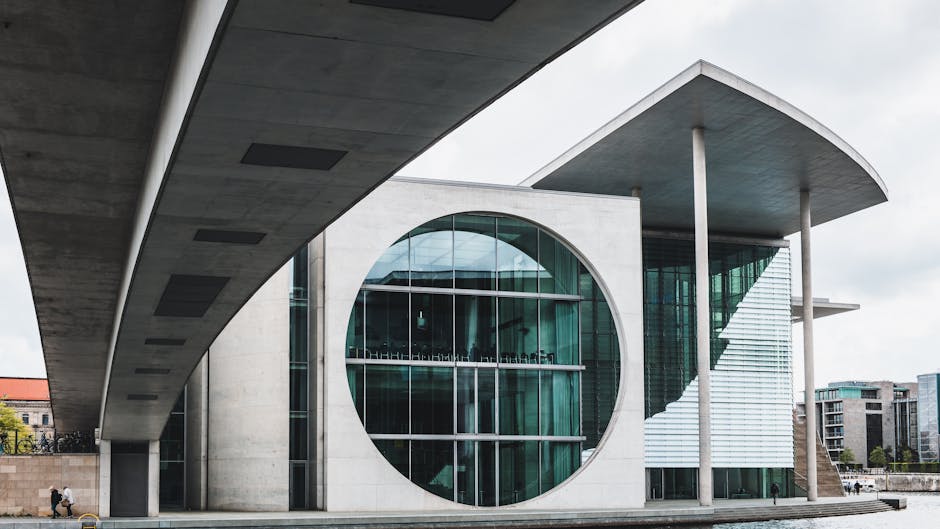
When planning your trip to Berlin, here’s a rough daily budget to help you gauge your expenses:
Budget Travelers: Expect to spend around $50-80 per day. This includes accommodation in hostels or budget hotels ($30-50/night), inexpensive meals ($10-15/meal), and public transportation.
Mid-Range Travelers: A budget of $100-200 per day is reasonable. This includes accommodation in mid-range hotels or private rentals ($80-150/night), dining at local eateries ($15-30/meal), and occasional taxis or bike rentals.
Luxury Travelers: For a more luxurious experience, plan for $250 and up per day. This would cover upscale hotels ($150-300/night), fine dining experiences ($30-100/meal), and private tours or car rentals.
Travel Tips for Berlin#
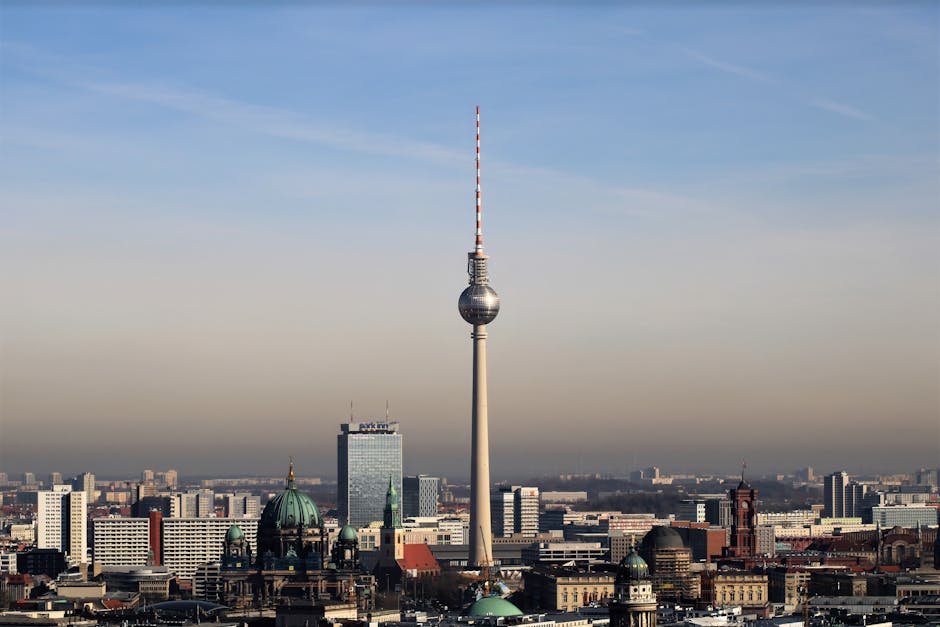
Safety: Berlin is generally safe for travelers, but it’s always wise to be cautious, especially in crowded areas. Keep an eye on your belongings to avoid pickpocketing.
Tipping: Tipping is customary in Berlin. A round 10-15% is appreciated in restaurants, and rounding up is common for taxi fares.
Language: While many Berliners speak English, learning a few basic German phrases can enhance your experience and show respect for the local culture.
SIM Cards: If you need mobile data, consider purchasing a prepaid SIM card from a local shop. This can be a cost-effective way to stay connected.
Scams to Avoid: Be wary of people asking for money or offering unsolicited help, especially around tourist hotspots. It’s best to politely decline and keep walking.
Public Transport Pass: Consider purchasing a day pass for public transport if you plan to use it frequently. It offers unlimited rides for a set period and can save you money.
Cultural Etiquette: Berliners value personal space and quiet in public places. Be mindful of your surroundings and keep noise levels down, especially on public transport.
If you’re also considering a trip to Nice, France or Lake Bled, Slovenia, check out our guide for more travel tips! Similarly, if you’re interested in exploring Northern Europe, our guide on Tallinn, Estonia might inspire your next adventure.
📌 Disclaimer
Prices, schedules, tour details, flight routes, visa requirements, and all other information on this page are based on data at the time of writing. Fares, availability, and policies may change. Please verify current details on the official website before booking.