Why Visit Bali?#
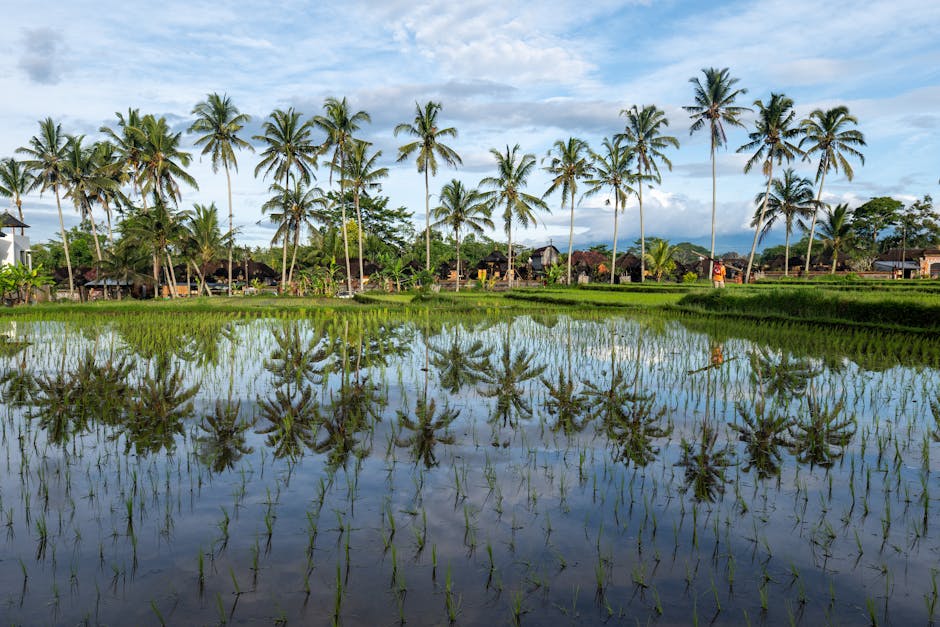
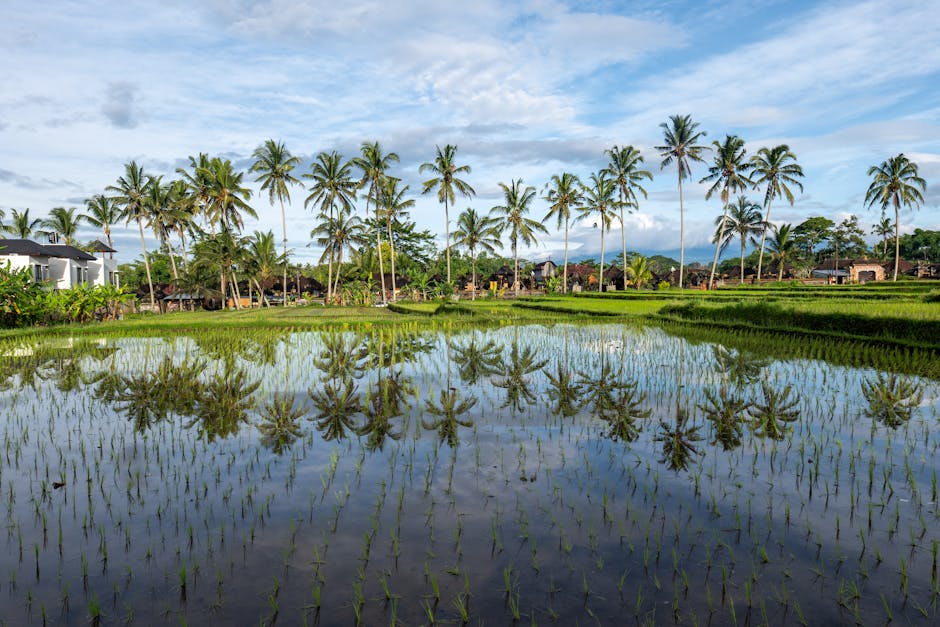
Bali, often referred to as the “Island of the Gods,” is a captivating destination that seamlessly blends stunning natural beauty with rich cultural heritage. With its lush rice terraces, pristine beaches, and vibrant coral reefs, Bali offers an idyllic setting for relaxation and adventure alike. The island is renowned for its spiritual ambiance, with numerous temples dotting the landscape, inviting travelers to explore their historical and architectural significance.
Beyond its picturesque scenery, Bali is home to a warm and welcoming local culture. The Balinese people take immense pride in their traditions, festivals, and art forms, which are deeply embedded in everyday life. Visitors can immerse themselves in the island’s unique customs, from traditional dance performances to religious ceremonies, making it a destination that resonates on both a visual and emotional level.
Best Time to Visit Bali#
Bali enjoys a tropical climate, which means it has distinct wet and dry seasons. The dry season, from April to September, is the most popular time to visit, characterized by sunny days, low humidity, and minimal rainfall. July and August are peak months, attracting large crowds and higher prices, especially in tourist hotspots.
The wet season runs from October to March, with the heaviest rainfall typically occurring in December and January. While this period sees fewer tourists and lower accommodation rates, travelers should be prepared for occasional downpours. However, the landscape during this time is lush and vibrant, making it a beautiful alternative for those looking to explore Bali without the crowds.
Where to Stay in Bali#

Ubud (Mid-Range to Luxury)#
Ubud is often considered the cultural heart of Bali, making it an excellent choice for those interested in art, wellness, and nature. Here, you’ll find a range of accommodation options, from boutique hotels nestled in the jungle to luxury resorts overlooking terraced rice fields. Ubud is also close to many cultural attractions, including traditional markets and art galleries.
Seminyak (Luxury)#
For those seeking a more upscale experience, Seminyak offers a vibrant beach scene coupled with high-end dining and shopping. Luxury villas and beachfront resorts provide a relaxing atmosphere, while trendy cafes and bars come alive at night. This neighborhood is perfect for travelers wanting a mix of relaxation and nightlife.
Canggu (Budget to Mid-Range)#
Canggu is a laid-back coastal village that has become increasingly popular among younger travelers and digital nomads. With a variety of budget-friendly hostels and mid-range accommodations, Canggu is known for its surf-friendly beaches and hip cafes. The area has a bohemian vibe and is perfect for those looking to meet like-minded travelers.
Nusa Dua (Luxury)#
If you prefer a more serene and upscale environment, Nusa Dua is home to some of Bali’s most luxurious resorts. This area is quieter than Seminyak and is known for its pristine beaches and well-maintained facilities. It’s an ideal choice for families or couples looking for a relaxing getaway with easy access to water sports and golf courses.
Top Things to Do in Bali#
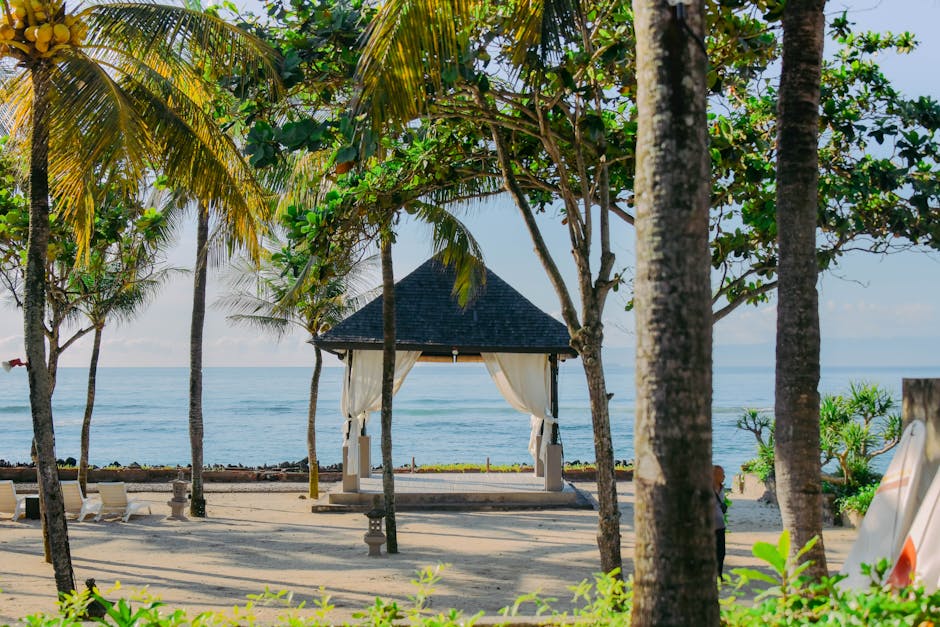
Visit Uluwatu Temple: Perched on a cliff, Uluwatu Temple offers breathtaking ocean views and a chance to experience a traditional Kecak dance performance at sunset.
Explore Tegallalang Rice Terraces: These iconic rice paddies are a must-see for their stunning beauty and intricate irrigation system. Take a leisurely walk through the terraces for a unique perspective.
Relax at Seminyak Beach: Known for its upscale beach clubs and vibrant atmosphere, Seminyak Beach is perfect for sunbathing and enjoying a cocktail while watching the sunset.
Discover the Sacred Monkey Forest: Located in Ubud, this lush sanctuary is home to playful monkeys and ancient temples. It’s a great place to experience Bali’s wildlife up close.
Hike Mount Batur: For the adventurous, a sunrise trek to the summit of Mount Batur is an unforgettable experience. The stunning views from the top are well worth the early wake-up call.
Swim at Tegenungan Waterfall: Just a short drive from Ubud, this picturesque waterfall is perfect for a refreshing dip and offers a great photo opportunity.
Visit Tirta Empul Temple: This sacred water temple is famous for its holy spring water, where locals and visitors alike participate in purification rituals.
Experience Balinese Cooking Class: Dive into the local cuisine by taking a cooking class, where you’ll learn to prepare traditional dishes using fresh ingredients.
Explore the Art Scene in Ubud: Ubud is home to a thriving art community. Visit local galleries and artisan shops to find unique souvenirs and support local artists.
Take a Day Trip to Nusa Penida: Just a short boat ride away, this island offers stunning beaches, dramatic cliffs, and crystal-clear waters—perfect for snorkeling and exploring.
Food and Dining Guide#

Bali’s culinary scene is a delightful mix of traditional Balinese cuisine and international flavors. Street food stalls, warungs (local eateries), and fine dining restaurants cater to all tastes and budgets.
Must-Try Dishes#
Nasi Goreng: Indonesia’s famous fried rice dish, often served with a fried egg on top and garnished with vegetables, chicken, or shrimp.
Babi Guling: A traditional Balinese dish of roast suckling pig, seasoned with a blend of spices and served with rice and vegetables.
Sate Lilit: A Balinese version of satay, made from minced meat mixed with grated coconut and spices, wrapped around lemongrass sticks and grilled.
Bebek Betutu: Slow-cooked duck marinated in a blend of spices and wrapped in banana leaves, resulting in tender, flavorful meat.
Gado-Gado: A refreshing salad made with boiled vegetables, tofu, and hard-boiled eggs, topped with a rich peanut sauce.
Dining Experiences#
For street food, head to local markets or street vendors where you can find affordable and delicious options. In contrast, upscale restaurants in Seminyak and Ubud offer fine dining experiences with a focus on organic and locally sourced ingredients.
If you’re also considering a trip to Kathmandu, Nepal or Luang Prabang, Laos, be sure to explore the unique culinary offerings in those regions as well.
Getting Around Bali#
Navigating Bali can be an adventure in itself, as public transport is limited. Here are some options for getting around:
Taxis: Metered taxis are available, but it’s advisable to use a ride-hailing app for convenience and better pricing. Always confirm the fare before starting your journey.
Scooter Rentals: Renting a scooter is a popular option for travelers looking to explore at their own pace. Just be sure to wear a helmet and have an international driving permit.
Private Drivers: Hiring a private driver for the day is a common practice and a great way to explore the island’s attractions comfortably. This option is especially beneficial for day trips.
Walking: In areas like Ubud and Seminyak, many attractions, shops, and restaurants are within walking distance, making it easy to explore on foot.
Budget Breakdown#
When planning your Bali trip, consider the following daily budget estimates:
Budget Travelers: Expect to spend around $30-50 per day, staying in hostels or budget guesthouses, eating at local warungs, and using public transport.
Mid-Range Travelers: A daily budget of $70-150 allows for comfortable accommodations, meals at mid-range restaurants, and some guided tours or activities.
Luxury Travelers: For those seeking a more opulent experience, a budget of $200+ per day will afford you high-end hotels, fine dining, and private tours.
Travel Tips for Bali#
Stay Hydrated: The tropical climate can be hot and humid, so drink plenty of water, especially if you’re engaging in outdoor activities.
Respect Local Customs: When visiting temples, dress modestly, covering your shoulders and knees. Sarongs are often available for rent or purchase at temple entrances.
Learn Basic Bahasa Indonesia: Knowing a few phrases can enhance your interactions with locals and show respect for their culture.
Be Cautious with Money: Use ATMs located in banks or reputable areas. Watch out for scams, especially those involving money exchanges or unsolicited offers.
Tipping: While not mandatory, leaving a small tip (around 10%) is appreciated in restaurants and for services.
SIM Cards: Consider purchasing a local SIM card for your phone upon arrival. This will help you stay connected and navigate more easily.
Plan for Traffic: Bali can have heavy traffic, especially in popular tourist areas. Allow extra time for travel, particularly when heading to the airport.
Bali is a destination that offers endless opportunities for exploration and connection. By venturing beyond the typical tourist path and embracing the local culture, you’ll create unforgettable memories that last long after your trip is over.
📌 Disclaimer
Prices, schedules, tour details, flight routes, visa requirements, and all other information on this page are based on data at the time of writing. Fares, availability, and policies may change. Please verify current details on the official website before booking.