Photo by Mathias Reding on Pexels
Why Visit Amsterdam?#
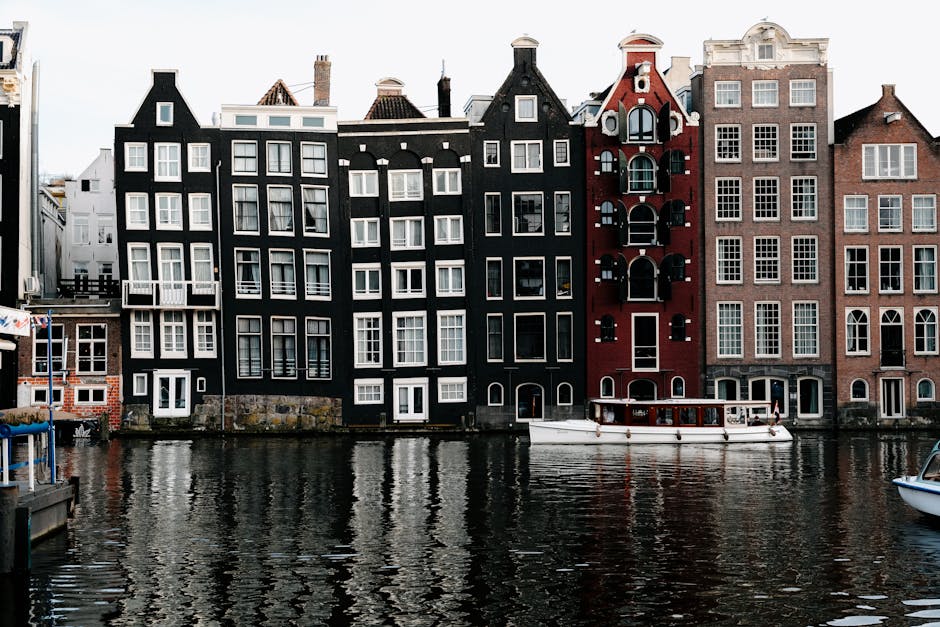
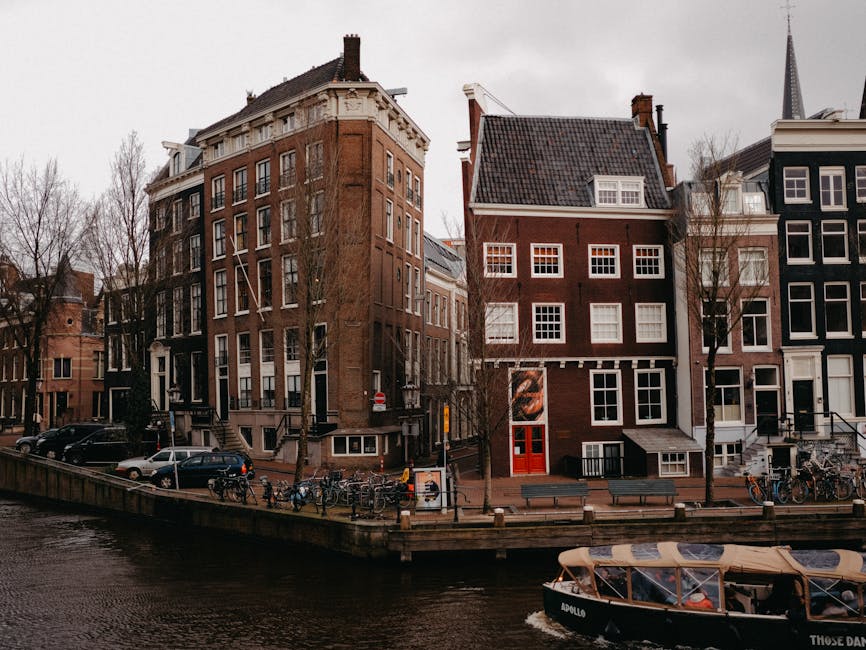
Amsterdam is a city that effortlessly combines rich history with a vibrant modern culture. With its picturesque canals, iconic gabled houses, and world-class museums, it offers a unique charm that captivates visitors from around the globe. The city’s artistic heritage is on full display in the Van Gogh Museum and the Rijksmuseum, where you can marvel at masterpieces that shaped the art world. Beyond the art, Amsterdam is also known for its progressive attitude and lively atmosphere, making it a welcoming destination for all.
One of the most enchanting aspects of Amsterdam is its ability to appeal to a wide range of interests. Whether you’re a history buff eager to explore the Anne Frank House, a foodie looking to indulge in local delicacies, or a nightlife enthusiast ready to experience the city’s famous club scene, Amsterdam has something for everyone. The city’s compact size makes it easy to navigate, allowing you to experience its many offerings in just a few days.
Best Time to Visit Amsterdam#
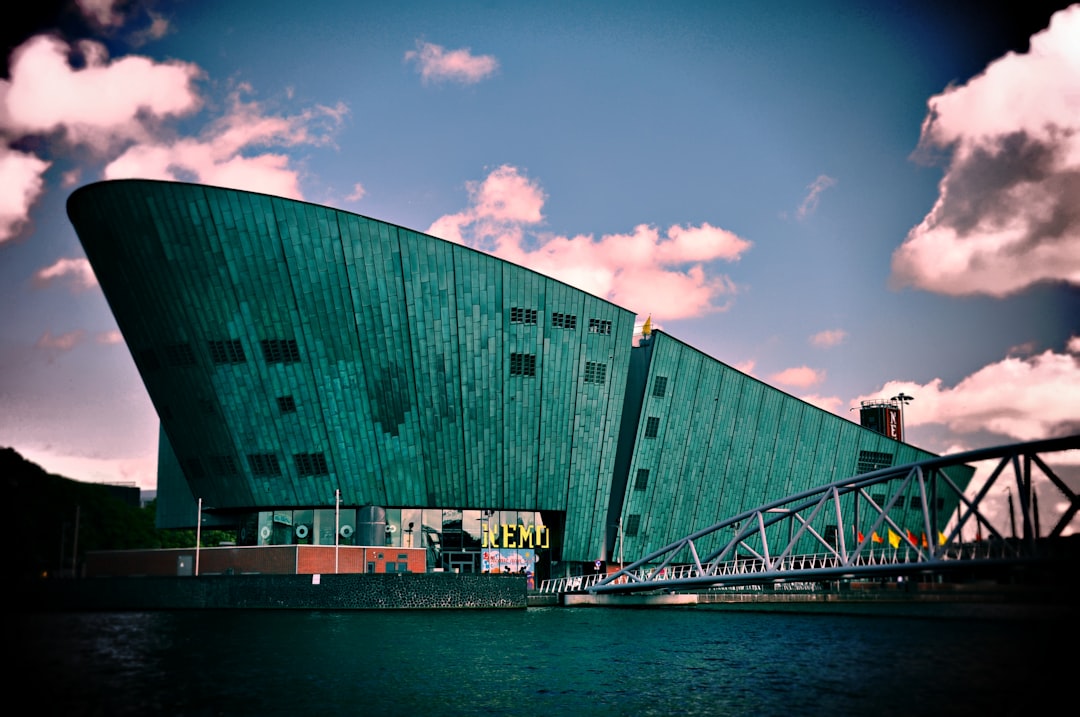
The ideal time to visit Amsterdam largely depends on your preferences. Spring (March to May) is arguably the most picturesque season, with tulips blooming throughout the city. Temperatures range from 40°F to 65°F, and the crowds are manageable, especially if you visit in early March or late May. Summer (June to August) sees the warmest weather, with highs reaching up to 75°F, but it also attracts the largest crowds and higher prices, especially in July and August.
Fall (September to November) is another lovely time to visit, as the weather remains mild and the leaves begin to change color. September is particularly pleasant, with temperatures around 60°F and fewer tourists compared to summer. Winter (December to February) is cold, with temperatures dropping to around 30°F to 40°F, but the festive holiday atmosphere, including the famous Amsterdam Light Festival, makes it a magical time to explore the city. Just be prepared for shorter days and possible rain.
Where to Stay in Amsterdam#
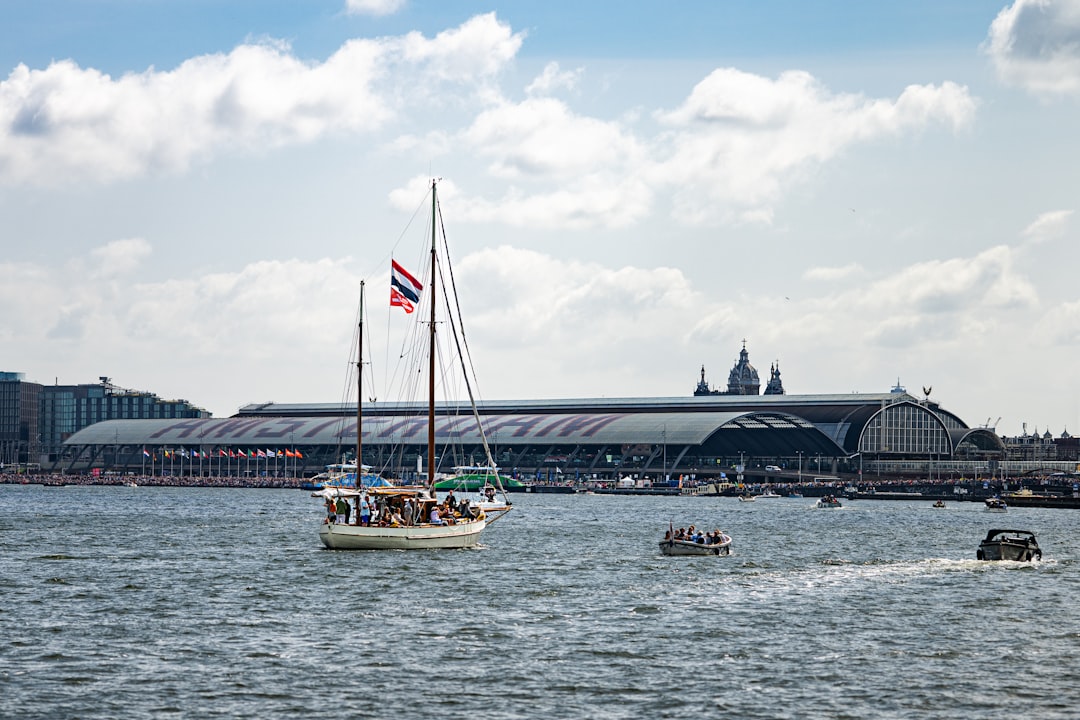
Choosing the right neighborhood in Amsterdam can significantly enhance your travel experience. Here are some recommendations across different budget tiers:
Budget: The De Pijp neighborhood is a fantastic option for budget travelers. This area is home to the famous Albert Cuyp Market and has a youthful, vibrant atmosphere. You’ll find plenty of hostels and budget hotels that are close to public transport, making it easy to explore other parts of the city.
Mid-Range: For those looking for a mid-range experience, the Jordaan district is a charming choice. Known for its narrow streets and quaint canals, it’s filled with boutique shops, cafes, and art galleries. The area offers a variety of guesthouses and comfortable hotels, providing a cozy base to explore Amsterdam.
Luxury: If you’re seeking a luxurious stay, consider the Canal Ring. This iconic part of the city boasts stunning views and some of the most elegant hotels. Staying here puts you within walking distance of major attractions like the Rijksmuseum and the Anne Frank House, along with upscale dining and shopping options.
Top Things to Do in Amsterdam#
Visit the Van Gogh Museum: Home to the largest collection of Van Gogh’s works, this museum offers a deep dive into the life and art of the famous painter. From his early works to his famous sunflowers, it’s a must-see for art lovers.
Explore the Rijksmuseum: This national museum is dedicated to Dutch art and history. Don’t miss masterpieces by Rembrandt and Vermeer, along with the beautifully landscaped gardens.
Wander through the Anne Frank House: A poignant visit, the Anne Frank House allows you to step back in time and learn about the life of Anne Frank during World War II. Be sure to book your tickets in advance to avoid long lines.
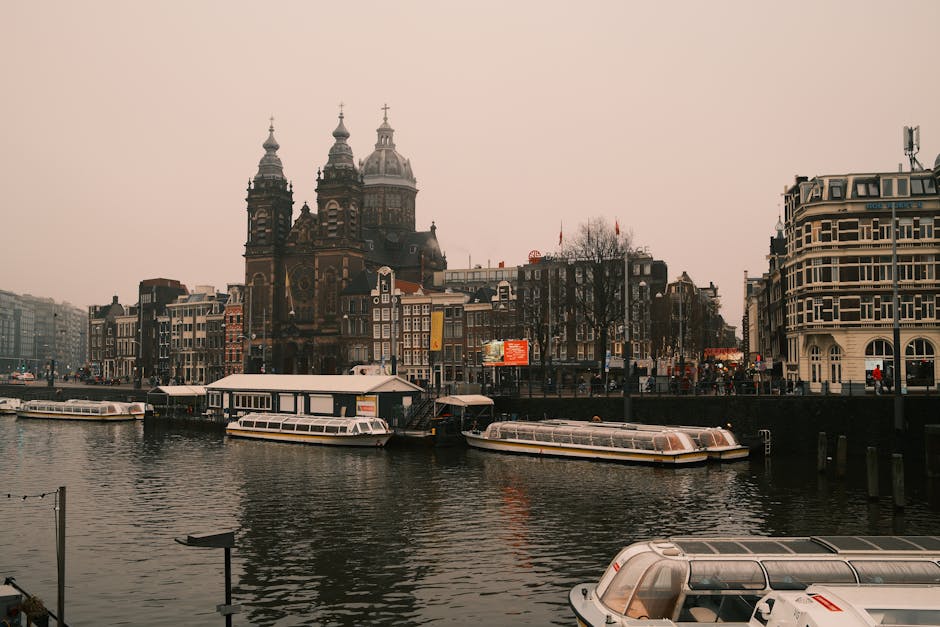
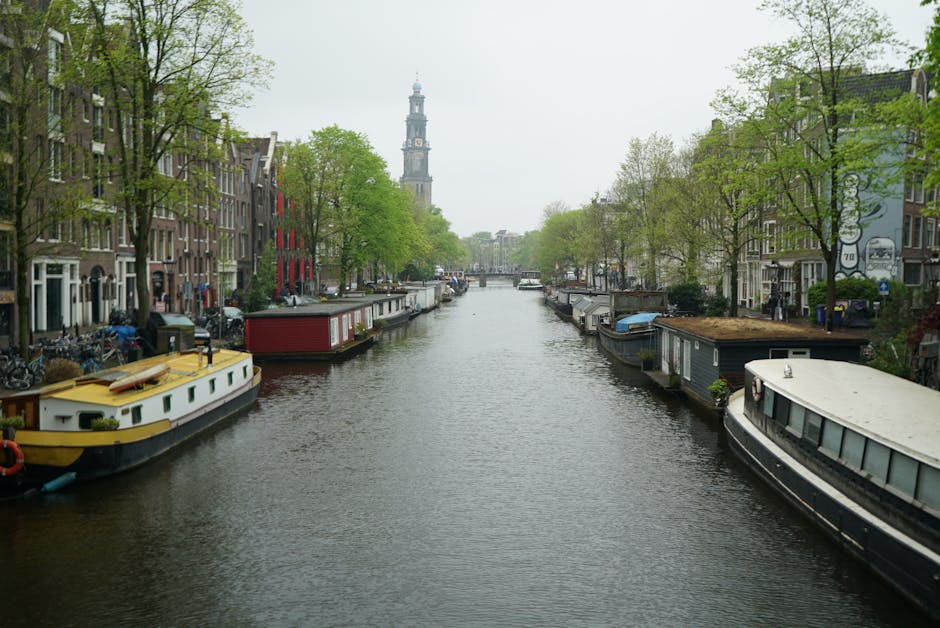
Stroll the Canals: Amsterdam’s canals are a UNESCO World Heritage site. Take a leisurely walk or rent a bike to explore the scenic waterways lined with charming houses and cafes.
Experience the Heineken Experience: This interactive brewery tour offers a fun way to learn about the history of Heineken beer. You can enjoy tastings and even pour your own pint!
Visit the Bloemenmarkt: The world’s only floating flower market, Bloemenmarkt is a feast for the senses. Here, you can purchase tulip bulbs and other flowers to take home as souvenirs.
Discover the Jordaan: Known for its artistic vibe and narrow streets, the Jordaan is filled with independent art galleries, antique shops, and cozy cafes. It’s a great area to wander and soak in local culture.
Check out the NDSM Wharf: This former shipyard turned cultural hotspot is an off-the-beaten-path gem. Explore street art, quirky cafes, and even a swing overlooking the water.
Relax at Vondelpark: Amsterdam’s largest park is perfect for a leisurely stroll or a picnic. In the summer, you can enjoy free concerts at the open-air theater.
Experience Amsterdam’s Nightlife: The city comes alive after dark. Check out the famous nightlife spots in areas like Leidseplein and Rembrandtplein for bars, clubs, and live music.
Food and Dining Guide#
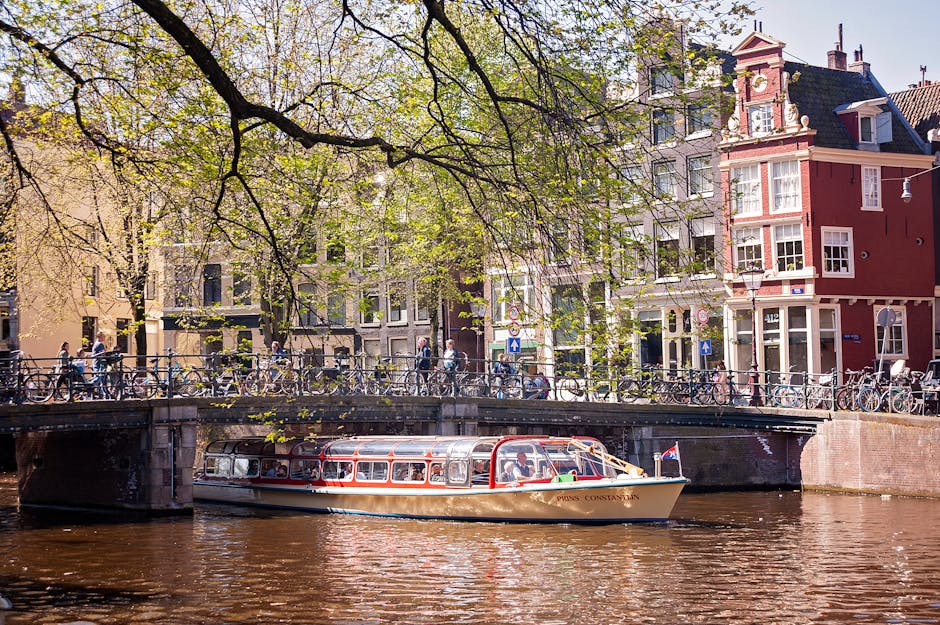
Amsterdam’s culinary scene is as diverse as its culture. Be sure to sample some local cuisine during your visit. Here are a few must-try dishes:
Stroopwafels: These delicious waffle cookies with a caramel syrup filling are a beloved Dutch treat. You can find them at markets and specialty shops throughout the city.
Haring: This raw herring fish is a traditional Dutch delicacy. You can try it at street stalls, usually served with onions and pickles—perfect for the adventurous eater!
Bitterballen: A popular Dutch snack, these deep-fried balls filled with beef ragout are best enjoyed with mustard and a cold beer.
Poffertjes: These fluffy, small pancakes are often served with powdered sugar and butter. They make for a delightful treat while exploring the city.
Dutch Cheese: Don’t miss the opportunity to sample some local cheese, especially Gouda and Edam. Visit a cheese shop for tastings and to purchase some to take home.
For street food, consider visiting local markets like Foodhallen, where you can sample a variety of dishes from different vendors. For a sit-down meal, explore the many cafes and restaurants in the Jordaan and De Pijp neighborhoods, which offer a mix of traditional Dutch fare and international cuisine.
Getting Around Amsterdam#
Navigating Amsterdam is fairly easy, thanks to its efficient public transport system. The city has an extensive network of trams, buses, and metro lines that can take you to most attractions. The GVB (Amsterdam’s public transport company) offers various ticket options, including single ride tickets and multi-day passes that can save you money on transportation.
Biking is also a popular way to get around, and renting a bike is highly recommended for a local experience. Just be sure to follow the rules of the road and be cautious of pedestrians. Walking is another pleasant way to explore the city, especially in the compact city center where many attractions are within walking distance.
While taxis and rideshare services are available, they are generally more expensive and not necessary unless you have a lot of luggage or are traveling late at night. Renting a car is not advised, as parking can be both limited and costly, plus the city is best experienced on foot or by bike.
Budget Breakdown#
When planning your trip to Amsterdam, it’s essential to consider your budget. Here’s a rough daily estimate for different types of travelers:
Budget Travelers: Expect to spend around $70-100 per day. This includes a bed in a hostel, affordable meals from street vendors or grocery stores, public transport, and visiting free or low-cost attractions.
Mid-Range Travelers: A daily budget of $150-250 is reasonable. This would cover a comfortable hotel, meals at casual restaurants, occasional drinks, and entrance fees to major attractions.
Luxury Travelers: For a more luxurious experience, budget around $300+ per day. This would allow for upscale accommodations, fine dining, private tours, and transportation options like taxis or private transfers.
Travel Tips for Amsterdam#
Safety: Amsterdam is generally safe, but like any major city, keep an eye on your belongings, especially in crowded areas and on public transport.
Tipping: Tipping is appreciated but not mandatory. Rounding up the bill or leaving a small tip (around 5-10%) is common in restaurants.
Language: While Dutch is the official language, most people speak English fluently. You’ll have no trouble communicating during your visit.
SIM Cards: If you need internet access, consider purchasing a local SIM card upon arrival. Many shops and kiosks sell prepaid options that can be easily activated.
Scams to Avoid: Be cautious of people asking for donations or offering “free” services. Stick to official tours and reputable establishments to avoid scams.
Cultural Etiquette: The Dutch are known for their directness. Don’t be surprised if locals speak frankly; it’s not meant to be rude!
Plan Ahead: Popular attractions like the Anne Frank House and Van Gogh Museum can get busy. Book tickets in advance to save time and avoid long lines.
If you’re also considering a trip to Split, Croatia or the stunning Amalfi Coast, Italy, check out our guides for more travel inspiration.
With its unique blend of history, culture, and modernity, Amsterdam is a city that promises unforgettable experiences for first-time visitors. Enjoy your adventure!
📌 Disclaimer
Prices, schedules, tour details, flight routes, visa requirements, and all other information on this page are based on data at the time of writing. Fares, availability, and policies may change. Please verify current details on the official website before booking.